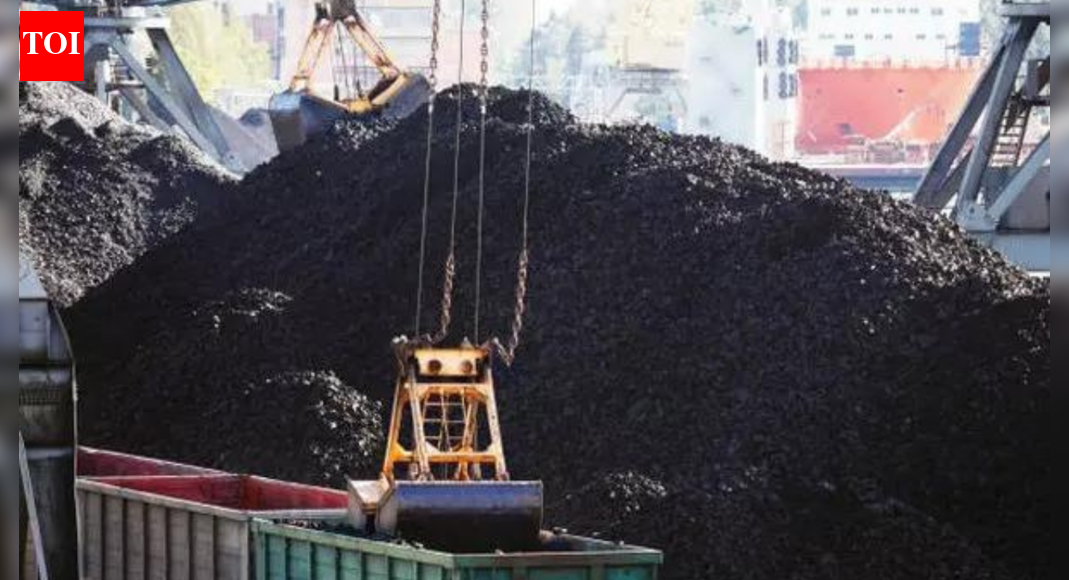

NEW DELHI: In a fresh push to reform the coal sector, the cabinet committee on economic affairs (CCEA) on Friday approved a CoalSETU policy, a dedicated window for long-term auction of coal linkages for any industrial use and exports.The new ‘CoalSETU window’ (Policy for Auction of Coal Linkage for Seamless, Efficient and Transparent Utilisation) will be added to the existing 2016 linkage auction policy for the non-regulated sector (NRS).Unlike the current system, where coal linkages are auctioned only to specified end users such as cement, steel, sponge iron and aluminium plants, the new window will allow any domestic industrial buyer to bid for coal linkages. Coking coal will, however, not be offered under this system, and traders will also be barred from participating to prevent market distortion.Officials said the move aims at simplifying procedures, boost ease of doing business and ensure faster utilisation of India’s coal reserves at a time when the country is working to cut dependence on imports. It also aligns with the wider opening up of the coal sector for commercial mining, where end-use restrictions had already been removed. The existing linkage auctions for specified sectors will continue, but these industries may also participate in the new CoalSETU window. The fuel supply agreements can be signed for a tenure of up to 15 years, and flexible use of coal linkages among group companies has also been allowed.Commercial mining of coal was launched in 2020, which significantly improved domestic coal availability. India crossed the landmark of one billion tonnes of coal production in a single year for the first time in 2024–25. Officials said coal imports in 2024–25 also fell 8%, resulting in forex savings of Rs 60,700 crore. Officials said coal stocks at domestic power plants were at a record high.Under the policy, coal obtained through this window can be used for own consumption, export (up to 50% of the allotted quantity), coal washing or by group companies. Resale within the country will not be allowed. Govt expects the policy to encourage more washed coal production — which could help reduce imports and even create export opportunities.