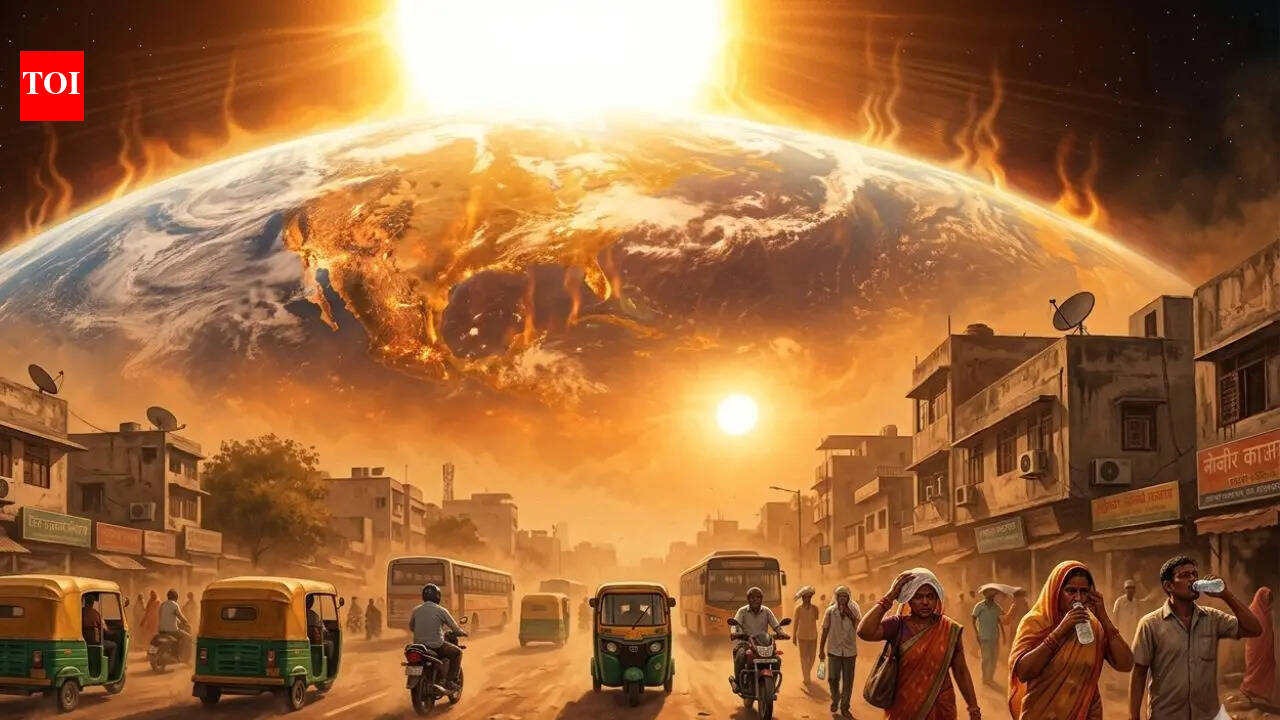

Representational AI image
Across India and many parts of the world, 2026 has begun with unusually high temperatures, shifting weather patterns, and growing pressure on basic resources like water.In India, heat arrived weeks before it normally does, with several regions reporting above-normal temperatures even before peak summer, according to IMD. The difference is not just intensity, but timing and duration. Summers are starting earlier, lasting longer, and becoming harder to manage, especially in cities.At the same time, the global focus has shifted sharply towards water. Reports warn that freshwater systems are under stress, and rising heat is making the situation worse.Heat and water are no longer separate issues. They are closely linked, and together they are shaping how people live, work, and stay safe.
A hotter India
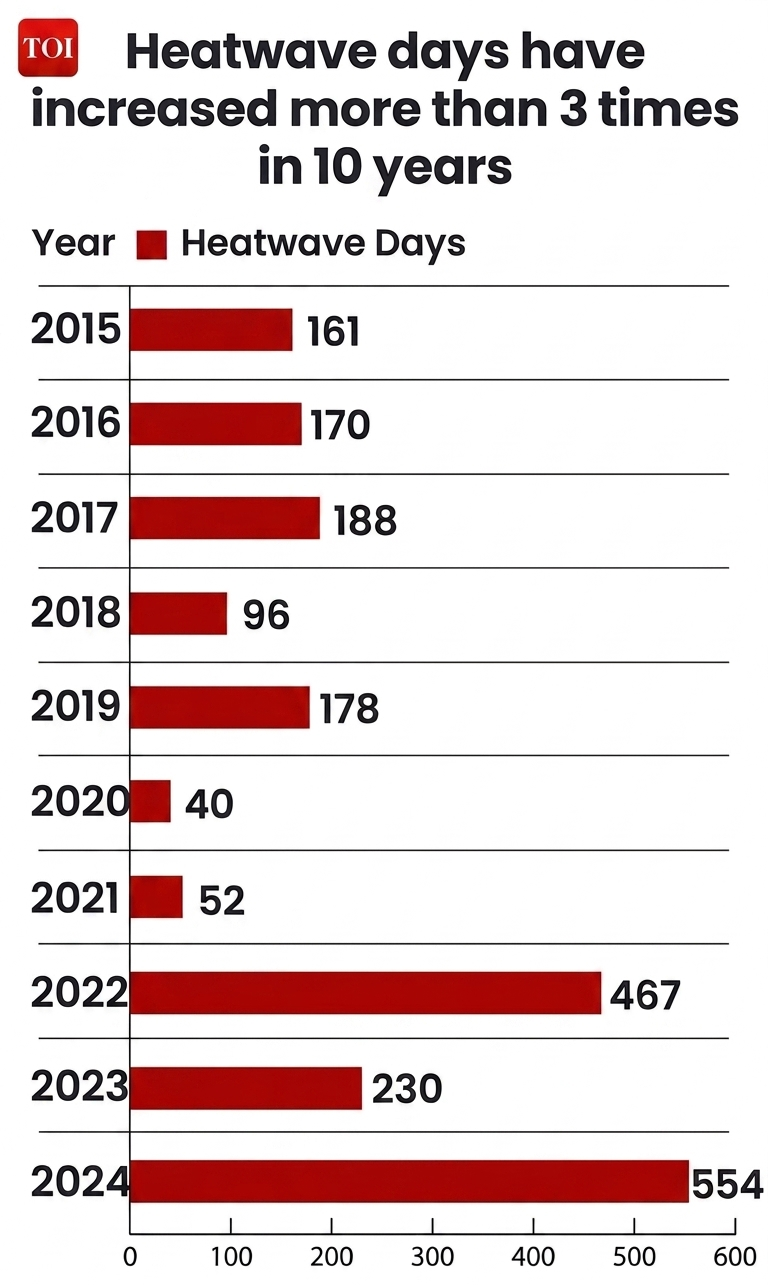
Heatwaves are no longer confined to May and June. Across India, high temperatures this year began rising sharply as early as March, indicating a longer and more intense summer.Assessments cited by Down To Earth noted that 2026 is expected to see above-normal temperatures and more heatwave days during the pre-monsoon period.This pattern is part of a long-term shift. India’s land temperature has already increased by nearly 0.9°C in recent years compared to early 20th-century levels. But averages only tell part of the story. What matters more is the rise in extremes: hotter peak days, longer heatwaves, and a steady increase in the number of warm days over time.For us, this means heat is no longer a short seasonal spike. It is stretching across months, affecting daily routines, work hours, and health. What used to be peak summer conditions are now becoming more common, forcing both individuals and systems to adapt.
.
The hidden danger
One of the less visible but more dangerous trends this year is the rise in warm nights. In cities like Mumbai, nighttime temperatures are staying unusually high, reducing the body’s ability to recover from daytime heat. This has changed how heat stress is understood.Traditionally, heatwaves were measured by daytime temperatures. Now, humidity and nighttime conditions are equally important. When nights remain warm and humid, the human body does not get the cooling period it needs. This leads to continuous stress, increasing the risk of heat-related illnesses.According to reports, factors like humidity, heat index, and deviation from normal temperatures are now being used to assess heatwave conditions. This reflects a shift in how extreme heat is being tracked and understood.The impact is significant. Vulnerable groups such as the elderly, outdoor workers, and people with existing health conditions are at higher risk. Even populations that are used to hot weather are finding it harder to cope because the intensity and duration of heat exposure have increased.
Heat and health
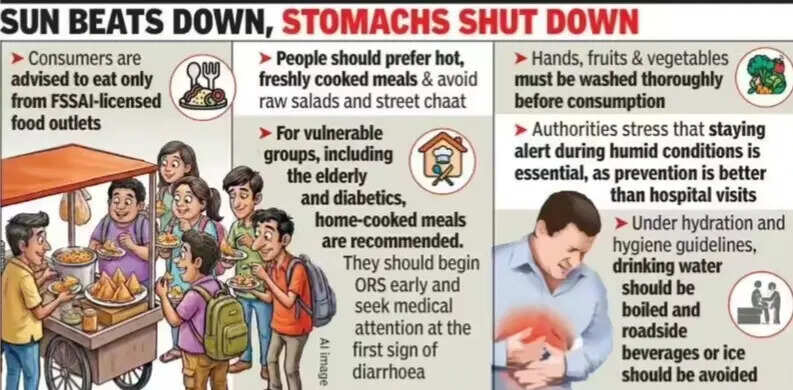
As temperatures rise earlier in the year, health advisories are also being issued sooner. Several states have already warned people to limit outdoor activity during peak hours and stay hydrated. These advisories are becoming more frequent and more urgent.Health departments have flagged symptoms such as dizziness, fatigue, dehydration, and fainting as early warning signs of heat-related illness. In severe cases, heatstroke can lead to high body temperature, nausea, and rapid heartbeat. These are not new risks, but their frequency is increasing.Another concern is that the actual impact of heat may be underreported. Many heat-related deaths are often recorded under other causes, such as cardiac or respiratory issues. This makes it difficult to fully understand the scale of the problem.The result is a growing gap between what is officially recorded and what people are experiencing. As heatwaves become more common, the pressure on healthcare systems is expected to increase, especially in areas with limited resources.As heatwaves become more frequent and intense, doctors say small daily habits can make a significant difference in preventing serious health risks. Dr Amit Prakash Singh, consultant – Internal Medicine at the CK Birla Hospital says, “Stay hydrated and drink water regularly throughout the day, rather than waiting until you are very thirsty. Signs of dehydration are dark yellow urine, little urine, and/or being dizzy. If you see these signs, you are most likely dehydrated. Nutrition is also very important if you want to stay healthy in hot weather.”Avoiding direct sun exposure, especially between 11 am and 4 pm, is also important, Dr Nitin Verma, Director – General Paediatrics at Rainbow Hospital, Delhi, adds. “Wear lightweight or cotton clothing, and use shades or an umbrella when exiting. Sunscreen is also helpful for protecting against skin damage due to sun exposure. Be attuned to your body’s needs. If you are sweating profusely and feel weak, nauseous, headachy, this may signal heat exhaustion. Do not ignore these symptoms,” he cautions.
.
Water stress
While heat is visible and immediate, water stress is building more quietly. There’s a growing gap between water demand and supply. A Reuters report suggests that freshwater demand could exceed supply by up to 40% by the end of this decade.Billions of people already lack access to safe drinking water and sanitation. Climate change is disrupting the natural water cycle, leading to more extreme droughts in some regions and sudden floods in others.For India, this creates a complex challenge. Rising temperatures increase water demand, while uneven rainfall and limited storage reduce supply. Urban areas, in particular, are vulnerable because of high population density and dependence on limited water sources.
Heat vs water
Heat and water are now interacting in ways that make both problems worse. Higher temperatures lead to faster evaporation, which reduces water levels in reservoirs and rivers. At the same time, people need more water to cope with the heat, increasing demand.This creates a feedback loop. As water becomes scarce, managing heat becomes harder. As heat intensifies, water systems come under more pressure. The two crises reinforce each other.Extreme heat is also driving record electricity demand, mainly due to increased use of cooling systems. This puts additional strain on infrastructure, including water supply systems that depend on electricity.In India, limited wastewater treatment adds to the problem. Only a portion of wastewater is treated and reused, which reduces the ability to manage shortages during extreme conditions. This makes cities more vulnerable during prolonged heatwaves.
Heat traps
Urban areas are at the centre of this crisis. Rapid urbanisation, combined with poor planning, has created environments that trap heat. Concrete structures, limited green cover, and dense populations all contribute to higher temperatures in cities.Urban areas can experience significantly higher temperatures than surrounding regions. This is often referred to as the “urban heat island” effect.The impact is not just discomfort. Studies show that even a single day of extreme heat can increase mortality rates, while prolonged heatwaves can have more severe consequences, according to Down to Earth. Cities like Delhi are particularly exposed because of their size, density, and infrastructure challenges.For residents, this means higher indoor temperatures, increased electricity use, and greater health risks. For governments, it means managing a growing crisis with limited time and resources.
Global to ground
What India is experiencing is part of a wider global trend. Climate reports indicate that the Earth is retaining more heat than before due to rising greenhouse gas emissions. This is weakening natural systems that regulate temperature.According to The Intergovernmental Panel on Climate Change (IPCC), there’s an increasing concern about climate “tipping points”— thresholds beyond which changes may become difficult to reverse. These include shifts in ocean currents, melting ice, and changes in ecosystems.While much of the conversation around extreme heat focuses on cities, a quieter but equally important part of the story is unfolding in rural India. Agriculture, water availability, and land use are deeply linked to rising temperatures. What happens in farms and village ecosystems directly affects how heat and water stress play out across the country.“The impact of climate change can often feel vast and overwhelming, too large and complex for any one individual to influence. But that is not the full picture,” said Chandrakant Kumbhani, Chief Operating Officer, Community Development, Ambuja Foundation.“Across India, millions of smallholder farmers and rural communities collectively hold significant power to be part of the solution. The landscapes they manage every day – their soils, water systems, and biodiversity – are central to both the challenge and the response. When these are restored through regenerative agriculture, water conservation, and biodiversity revival, it strengthens both environmental health and rural livelihoods,” he added.
Earth Day 2026
Earth Day is an annual global event held on April 22 to raise awareness about environmental protection and climate issues.It began in 1970 in the United States, when millions of people took part in demonstrations against pollution and environmental damage.The official Earth Day 2026 theme is “Our power, our planet’, to highlight the collective power of individuals, communities, and local actions in driving environmental progress and accelerating the transition to renewable energy.Over the decades, Earth Day has expanded into a global movement marked in more than 190 countries. Governments, schools, organisations and communities use the day to highlight environmental challenges, from air pollution and biodiversity loss to climate change and sustainable development. Go to Source