
.
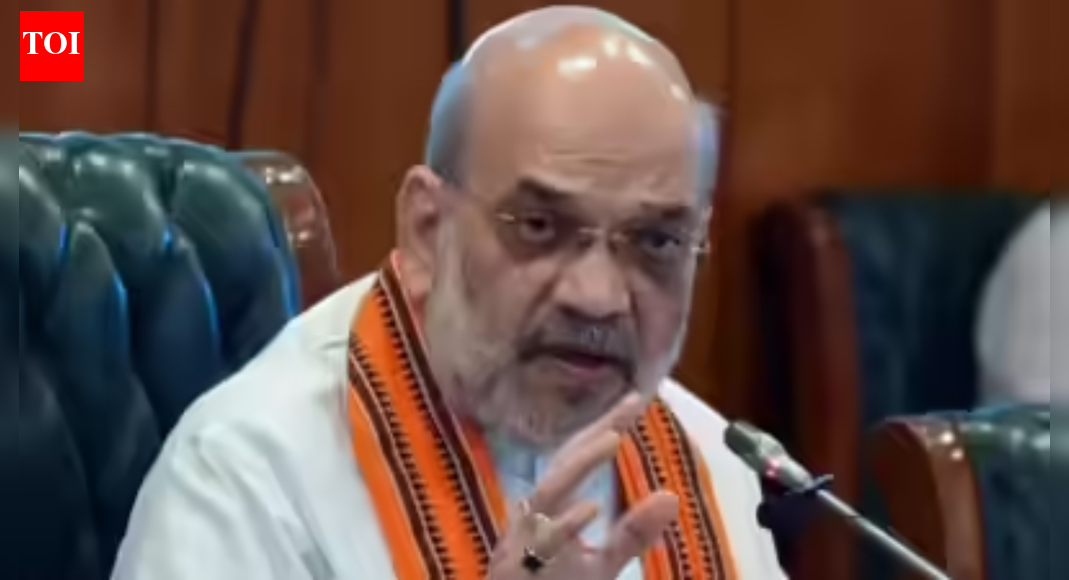
NEW DELHI: In a significant escalation of govt’s anti-narcotic approach, home minister Amit Shah on Friday announced a three-year war on drugs – set to commence on March 31 this year. Chairing the Narco-Coordination Centre (NCORD) meeting at Vigyan Bhawan, Shah reframed the drug menace as a matter of “narco-terrorism” rather than a mere law-and-order or crime issue, labelling it a strategic conspiracy to “destroy the country’s future generations”. To cement this offensive, Shah directed all govt departments to finalise a comprehensive “Drug-Free India” roadmap by 2029. “As India targets 2047 for its centenary of independence, the administration views this upcoming three-year window as a critical inflection point to purge the nation’s social fabric of narcotics and secure the health and performance of its youth,” he said. Shah also informed that between 2014 and 2025, India seized drugs worth over Rs 1.71 lakh crore, a massive jump from the Rs 40,000 crore seized in the preceding decade. To sustain this momentum, the home ministry has now mandated the use of AI and advanced forensics to increase conviction rates and track evolving digital payment models used by international cartels. The minister asked officials to focus on the “ruthless” dismantling of supply chains and the financial backbones of drug kingpins. The central pillar of the 2026-2029 campaign is a “three-pronged” tactical approach involving a merciless crackdown on traffickers, a strategic push for demand reduction through awareness, and a humane, medical-first approach for harm reduction among users. “There should be no leniency for those who manufacture and sell drugs, but a humane approach must be adopted toward those who have fallen into usage,” Shah said, clarifying govt’s clear policy distinction between victims and perpetrators. He also directed state DGPs to transition into “mission mode,” creating permanent specialised teams to monitor intelligence and coordinate drug destruction efforts. By integrating Forensic Science Laboratories more deeply into the investigative process, govt aims at ensuring timely chargesheets and higher conviction rates. The deliberations also centered on the escalating challenges of darknet-based drug commerce and the illicit use of cryptocurrency. Shah emphasised that the anonymity of these digital platforms necessitates advanced technological interventions, including the deployment of darknet analysis tools and machine learning models to trace anonymous transactions and secure the country’s borders against cyber-enabled trafficking. A major portion of the meeting was dedicated to disrupting the financial lifelines of narco-terror networks. The stakeholders discussed a “360-degree investigation” model, which integrates traditional law enforcement with forensic financial audits to target hawala operations and freeze assets tied to the drug trade.