
Wednesday, January 28, 2026
13.1 C
New Delhi

Desert dust storms ferry disease-causing bacteria to the Himalayan hilltops

Desert dust storms ferry disease-causing bacteria to the Himalayan hilltops

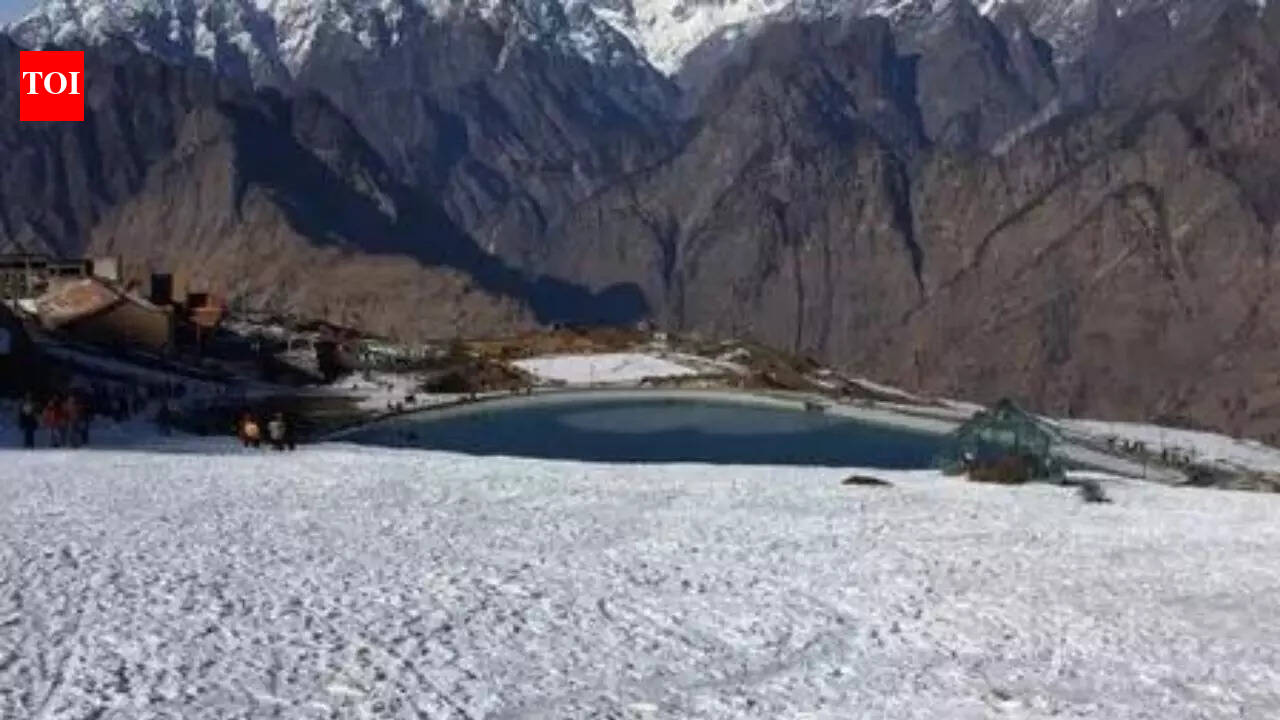
Photo credit: IANS

BENGALURU: High in the Himalayas, where thin air and cold temperatures are often believed to offer natural protection against disease, an unseen traveller is arriving on the wind. A new study has found that dust storms rising from the deserts of western India are carrying airborne bacteria to Himalayan hilltops, including pathogens linked to respiratory, skin and gastrointestinal illnesses.Researchers from the Bose Institute, an autonomous body under the Department of Science and Technology (DST), traced this movement through more than two years of continuous monitoring of dust events and atmospheric samples across high-altitude sites in the eastern Himalayas. Their findings have been published in the journal “Science of the Total Environment”.Dust storms are a recurring feature of India’s arid regions, particularly during the pre-monsoon months. The study shows that as these storms rise from desert surfaces, they lift not only fine mineral particles but also bacteria attached to them. Driven by prevailing winds, the dust plumes travel hundreds of kilometres, crossing the densely populated and polluted Indo-Gangetic Plain before settling over Himalayan hilltops. Several of the airborne bacteria identified in the samples are known to be associated with respiratory and skin diseases. The findings are especially relevant for Himalayan populations, who already face heightened health vulnerability due to cold climatic conditions and hypoxia. Until now, there has been limited evidence directly linking long-range airborne microbial exposure to disease risks in high-altitude regions.The research also points to a parallel process shaping the Himalayan atmosphere. Vertical uplift from the Himalayan foothills injects locally sourced pollutants and pathogens into higher layers of the air. These local microbes then mix with long-range bacterial “travellers” arriving with desert dust, collectively altering the composition of the atmospheric bacterial community over the region.This combined effect, the researchers say, may also help explain the occurrence of gastrointestinal infections in high-altitude areas. By quantitatively demonstrating how both horizontal dust transport and vertical lifting of polluted air perturb the Himalayan atmospheric microbiome, the study adds a new biological dimension to the understanding of air pollution.Beyond its scientific contribution, the findings carry clear public health implications. Current air quality monitoring frameworks focus largely on chemical pollutants, often overlooking biological agents. The researchers argue that incorporating microbial surveillance could strengthen national health action plans and support the development of health forecasting systems, in line with the goals of Viksit Bharat by 2047.For regions long regarded as climatically pristine, the study serves as a reminder that even the highest mountain air is shaped by processes unfolding far beyond the Himalayas.

Go to Source

Hot this week

OPINION | Privacy With Teeth: How The DPDP Act Changes The Regulatory Landscape For OTT Messaging Platforms

OTT messaging platforms occupy a distinctive position within India’s digital regulatory architecture. Read More

‘Will Defend, Retaliate Like Never Before’: Iran Reacts To Trump’s Threat

Iran’s mission to the UN warns of unprecedented defense if provoked, responding to US President Donald Trump’s threats over nuclear talks and escalating tensions. Read More

US Firm Shield AI, Linked To Israel’s Gaza Ops, To Supply V-BAT Drones To Indian Army

Under the deal, the Army will receive V-BAT systems along with licences for Shield AI’s Hivemind autonomy software, which will be integrated into the aircraft. Read More

‘No security threat here’: Bangladesh questions India’s move to recall diplomats’ families

. Bangladesh on Wednesday said that there was no security situation that justified India recalling the family members of its diplomats from Dhaka. Read More

Opinion | Is Your AI Casteist? Demeaning The Technological Advancement With Caste Prism

It is a sad precedent of our times to include only the lower castes as passive sufferers for no reason at all whenever a new technology comes into vogue Go to Source Read More

Topics

OPINION | Privacy With Teeth: How The DPDP Act Changes The Regulatory Landscape For OTT Messaging Platforms

OTT messaging platforms occupy a distinctive position within India’s digital regulatory architecture. Read More

‘Will Defend, Retaliate Like Never Before’: Iran Reacts To Trump’s Threat

Iran’s mission to the UN warns of unprecedented defense if provoked, responding to US President Donald Trump’s threats over nuclear talks and escalating tensions. Read More

US Firm Shield AI, Linked To Israel’s Gaza Ops, To Supply V-BAT Drones To Indian Army

Under the deal, the Army will receive V-BAT systems along with licences for Shield AI’s Hivemind autonomy software, which will be integrated into the aircraft. Read More

‘No security threat here’: Bangladesh questions India’s move to recall diplomats’ families

. Bangladesh on Wednesday said that there was no security situation that justified India recalling the family members of its diplomats from Dhaka. Read More

Opinion | Is Your AI Casteist? Demeaning The Technological Advancement With Caste Prism

It is a sad precedent of our times to include only the lower castes as passive sufferers for no reason at all whenever a new technology comes into vogue Go to Source Read More

‘Hurting cancer patients’: H‑1B hiring freeze in Texas will strain healthcare, visa‑dependent doctors

In a bold move, Texas has stopped the hiring of new H-1B visa holders at state agencies and universities until May 2027, raising alarms for the healthcare sector. Read More

Pakistan aims for USD 6-8 billion in mineral exports through value addition, highlights China partnership

Pakistan’s planning minister Ahsan Iqbal on Wednesday said that mineral exports from the country could reach between USD 6-8 billion annually within this decade by value addition rather than focusing on raw extraction. Read More

Indonesia cuts rescue agency budget amid rising disaster risks

Indonesia’s parliament has approved a cut to the national rescue agency’s budget to fund other government priorities, even as the disaster-prone nation faces repeated floods, earthquakes and landslides. Read More

Related Articles