
Photo credit: IANS
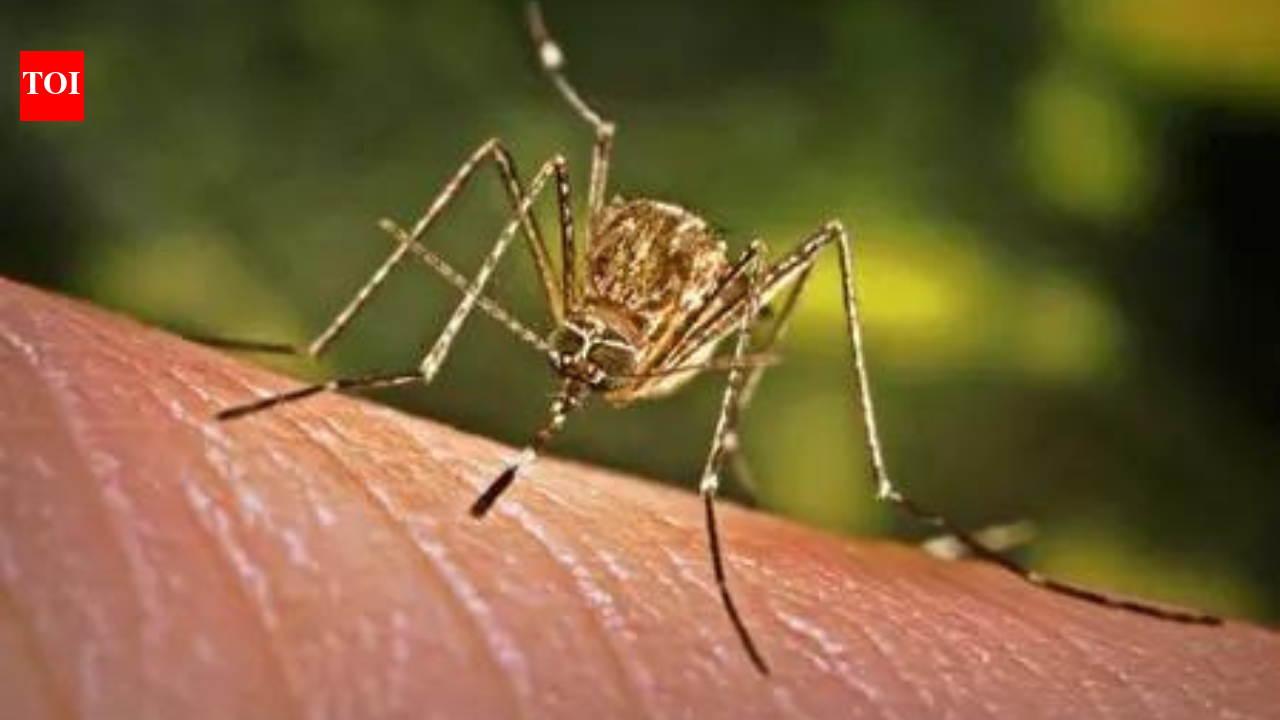
NEW DELHI: India could see targeted dengue treatments reaching hospitals within the next two to three years if ongoing trials succeed, even as experts warn that climate change is likely to drive a sharp rise in cases in the coming decade. With the monsoon approaching—a period that typically triggers a surge in infections—health experts say the disease is no longer seasonal and is spreading across geographies due to rapid urbanisation and changing climate patterns. Despite the growing burden, dengue still has no approved, specific treatment. Patients are currently managed through supportive care, highlighting a major gap in the healthcare response. At a high-level meeting in Delhi involving global and Indian stakeholders, including WHO, ICMR, NITI Aayog and industry leaders, experts stressed that bridging this treatment gap is now a priority. The Dengue Alliance—a coalition of countries including India, Brazil, Malaysia and Thailand—is pushing to accelerate development of therapies and improve access. Dr Sanjay Sarin, continental lead asia and director south asia, DNDi (Drugs for neglected disease initiative) told TOI that several drug candidates, including antivirals and monoclonal antibodies, are currently in advanced clinical trials. In India, institutions such as Translational Health Science and Technology Institute (THSTI) and ICMR are supporting research, while Serum Institute is conducting phase 3 trials of a dengue monoclonal antibody treatment. At the same time, policymakers are focusing on building climate-resilient health systems. NITI Aayog member V K Paul said changing ecology due to climate change will significantly alter patterns of vector-borne diseases like dengue, making preparedness critical at all levels of healthcare. Current efforts include strengthening fever surveillance, improving early detection, and upgrading district hospitals, community health centres and medical colleges to handle cases. Mosquito control measures and prevention strategies remain central to the response. Experts also emphasised the need for “decisive solutions,” particularly vaccines and therapeutics. “While some vaccines are already available globally and more are in development—including Indian candidates—access and pricing remain key concerns, said Sarin. With India reporting over 2.8 lakh dengue cases in 2023, and likely underreporting due to surveillance gaps, the urgency is clear. If current research efforts succeed, the next few years could mark a shift from symptom-based management to targeted treatment. Until then, dengue remains a growing threat without a cure.