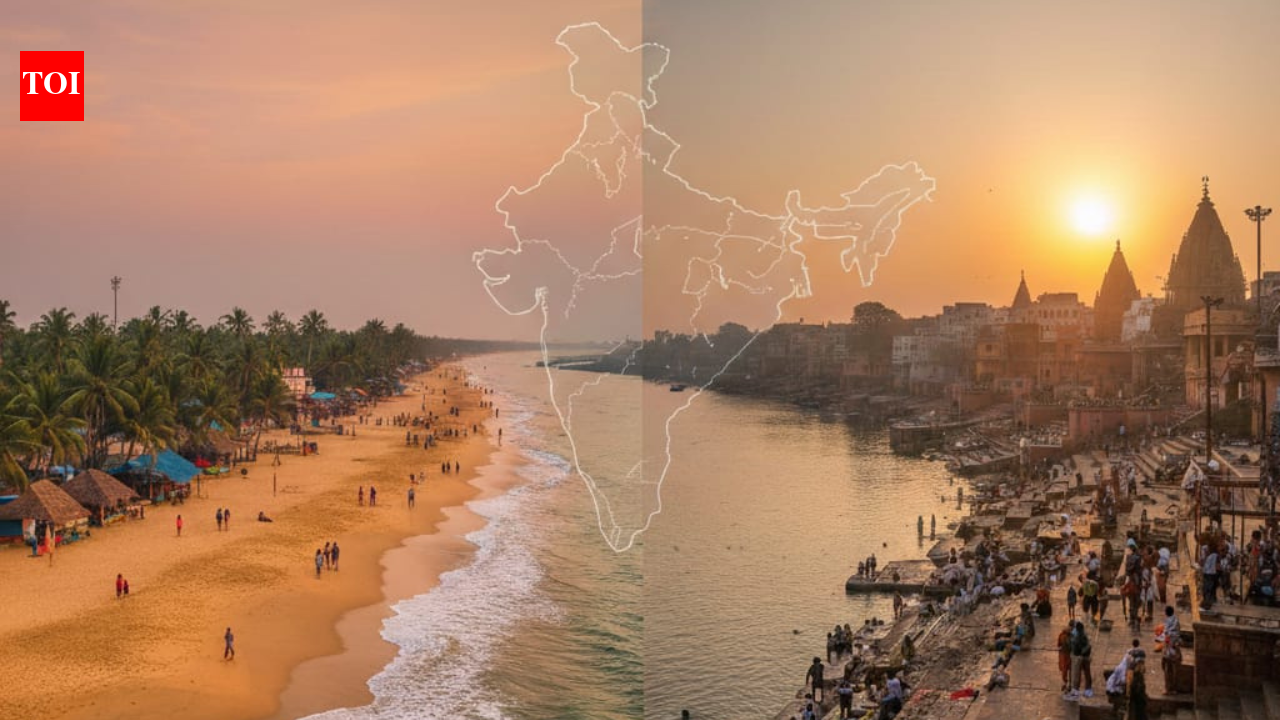

For years, planning a holiday in India meant choosing between two familiar choices: beach or hills. Goa or Manali. Sand or snow.Not anymore.Today, the most searched destinations on travel apps are just as likely to be Ayodhya as Alibaug, Varanasi as Vagator, Ujjain as Udaipur. A generation that grew up posting sunsets from shacks and selfies from mountain cafés is now booking flights to temple towns, river ghats and heritage streets.India’s tourism map is changing — quietly, steadily, and faster than many imagined.Across India, places once considered peripheral to mainstream tourism – religious towns, heritage cities, riverfront settlements and small cultural hubs – are emerging as year-round travel destinations. Ayodhya, Varanasi, Ujjain, Prayagraj, Dwarka, Puri, Hampi, Madurai and Maheshwar are no longer niche or purpose-driven stops. They are becoming central nodes in India’s tourism geography, drawing millions of travellers who are not just pilgrims, but explorers, photographers, students, influencers, backpackers and international visitors.What’s driving this change is not one factor, but a convergence: religious revival, infrastructure investment, social media discovery, generational travel habits, and a redefinition of what “travel” means in India today.
Religious tourism: From margins to mainstream
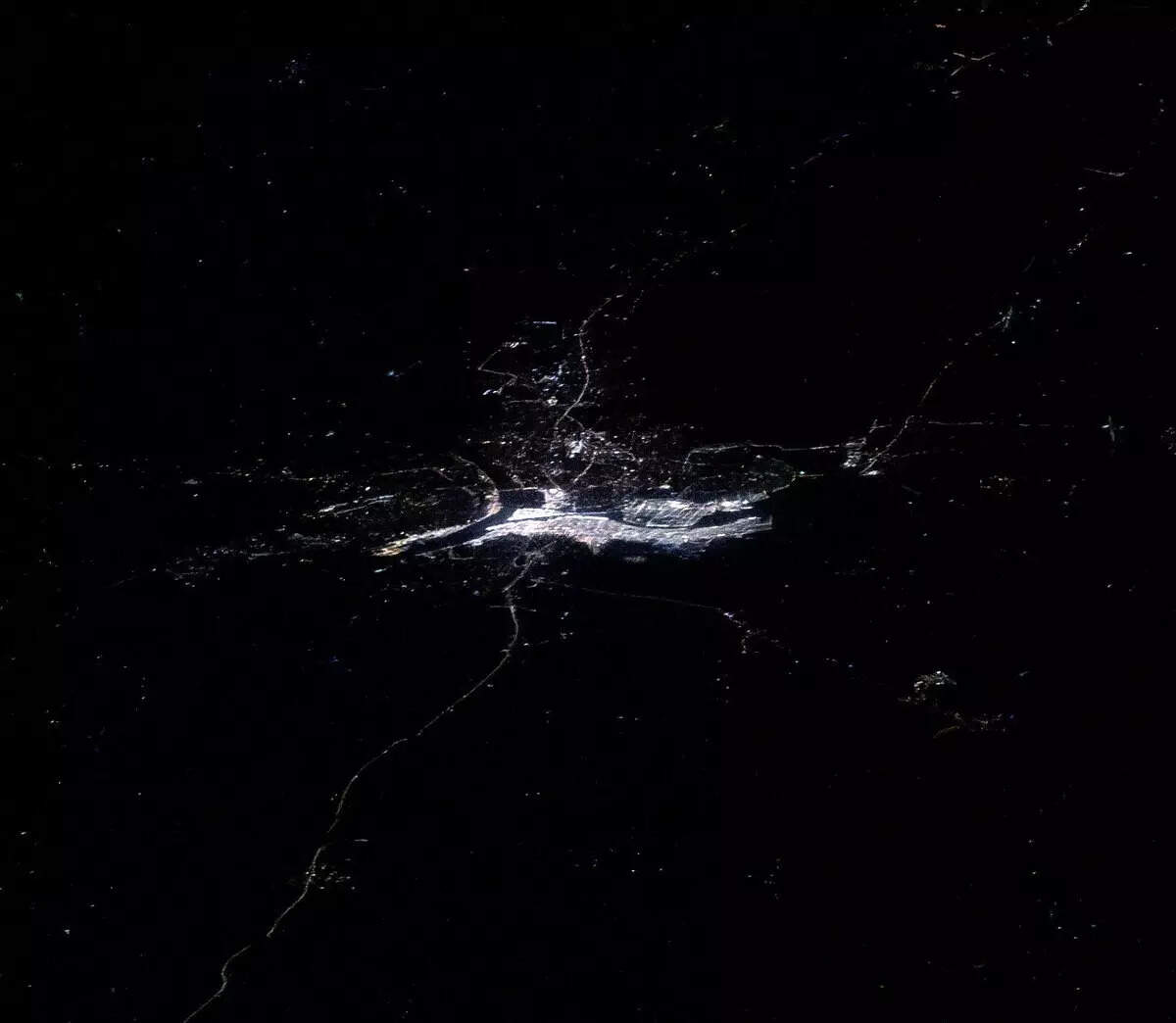
The most decisive force reshaping India’s tourism map is the scale and transformation of religious travel.India has always been a land of pilgrimage, but for much of the post-liberalisation era, religious tourism remained largely disconnected from mainstream travel narratives. Pilgrims travelled with families, stayed briefly, and rarely engaged with destinations beyond ritual.That distinction has collapsed. Data from the Union ministry of tourism and state governments shows that religious tourism now accounts for more than half of all domestic tourist visits in India. In several states, pilgrimage-led travel has overtaken leisure tourism as the primary driver of footfall. Uttar Pradesh illustrates this transformation most starkly. The state reported over 130 crore domestic tourist visits in a single year – 2025, making it India’s most visited state. The surge has been driven overwhelmingly by pilgrimage and heritage circuits connecting Ayodhya, Prayagraj, Varanasi and Mathura–Vrindavan. Ayodhya, once a relatively modest religious town, has undergone a dramatic transformation since the inauguration of the Ram Temple. Annual visitor numbers now run into millions, outpacing several long-established heritage destinations. The city’s airport, railway station, road network and public spaces have been redeveloped to accommodate a scale of travel previously unimaginable for a town of its size.Last year’s Maha Kumbh in Prayagraj, a once in 144 year affair, alone drew footfalls on a scale rarely seen anywhere in the world, making it the largest religious congregation, so much so that it was even visible from space.
Varanasi, long considered a place one visited once in a lifetime, has emerged as one of India’s fastest-growing cultural destinations. State government figures show tourist visits crossing 10 crore annually in 2024, with foreign arrivals rising sharply over the past three years. What was once seen primarily as a site of ritual and renunciation is now firmly embedded in India’s travel economy.Tamil Nadu tells a similar story. Temple circuits linking Madurai, Rameswaram, Kanchipuram and Tiruvannamalai account for a majority of domestic travel into the state, drawing millions annually. Maharashtra’s Shirdi–Pandharpur belt, Odisha’s Puri, Madhya Pradesh’s Ujjain and Maheshwar, and Gujarat’s Dwarka and Somnath now function as high-volume, year-round tourism economies. Karnataka’s Udupi and Hampi, and West Bengal’s Kalighat and Dakshineswar reflect similar patterns.“Faith has become infrastructure-led,” said a senior employee of a travel agency in Delhi, working at a tech savvy firm which thrives on social media added, “Once access improved, demand exploded.” He says, the jump in visit plans to cities like Varanasi, Chopta, Kedharnath has increased manyfold, and when the char dham yatra opens, demand shoots up.Interestingly the crowd mostly has youths, reflecting a shift from assumed travel preferences.

The power of religious events: Scale, spectacle and sustained travel
If religious tourism is the backbone of the new travel map, religious events are its accelerators.India’s religious calendar is dense with gatherings that combine faith, spectacle, culture and community – often on a scale unmatched anywhere else in the world. These events are no longer seen only as spiritual congregations; they have become major tourism drivers with global visibility and measurable economic impact.
Maha Kumbh and Magh Mela: Temporary cities, permanent impact
The Maha Kumbh Mela at Prayagraj, held once every 12 years at the Sangam of the Ganga, Yamuna and Saraswati, remains the best example. The most recent edition drew hundreds of millions of visits over several weeks, making it the largest human gathering on the planet – so vast that it was visible in satellite imagery. Beyond the ritual bathing, the Kumbh now attracts cultural tourists, photographers, researchers, vloggers and international visitors seeking to witness a phenomenon unmatched in scale.By the end of the event over 660 million people took a dip in Triveni Sangam. The festival generated approximately 1.2 million jobs in sectors like tourism, transportation, healthcare, and retail, significantly boosting the both state and national economies.
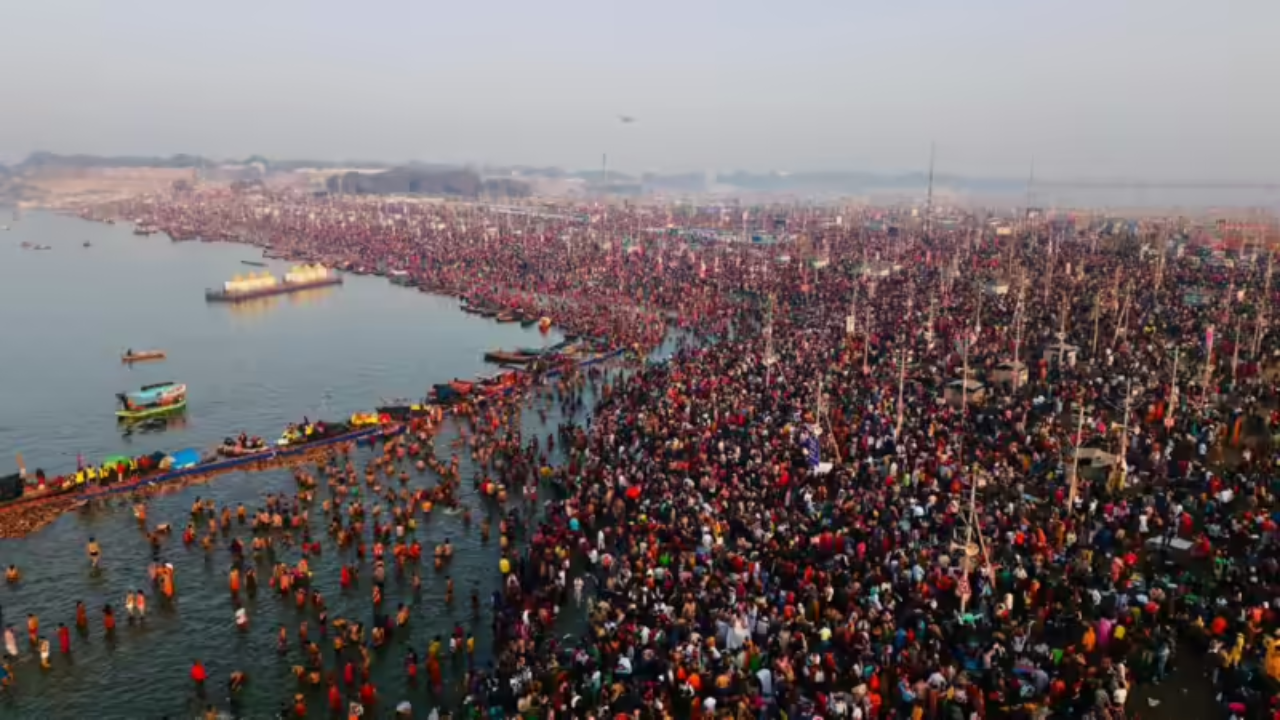
The organisation of the event saw major revamp for the city, from over 200 roads renovated and 3 lakh plus trees planted. Post event data released by the state shows, trade in daily essentials reached Rs 17,310 crore, while the hotel and travel sectors were at Rs2,800 crore. Religious materials and flowers generated approximately Rs 2,000 crore and Rs 800 crore, respectively.Alongside the Maha Kumbh, the Magh Mela, held annually at Prayagraj, has emerged as a major draw in its own right. While smaller than the Kumbh, it attracts crores of devotees over its duration, sustaining tourism flows every year rather than once a decade. Temporary cities rise on the riverbanks, supported by transport networks, sanitation infrastructure and cultural programming – an example of how religious events are now treated as logistical and tourism exercises at scale.“These events create massive short-term employment and long-term tourism memory,” said an official involved in last year’s Mela administration. “People return later with families, friends, even tour groups.” He added, “during mela people come to stay for weeks at times the entire month of snan.”
Puri Rath Yatra: Faith meets coastal tourism
In eastern India, the Puri Rath Yatra draws millions of devotees annually, turning the coastal town into a global focal point for weeks. Odisha government estimates show hotel occupancy peaking across the state during the festival period, while transport networks operate at full capacity.Artisans, street vendors and small businesses see a surge in income, while the event also introduces many first-time visitors to Odisha’s beaches, crafts and heritage circuits.
Dev Deepawali, Deepotsav, Durga Puja and festival-led tourism
In Varanasi, Dev Deepawali has evolved from a local religious observance into a marquee tourism event. Lakhs of lamps illuminate the ghats of the Ganga on Kartik Purnima, drawing domestic and foreign travellers months in advance.If you think you can walk past the roads of the old holy city easily during and around the month of Diwali, think again. Every corner of the city is filled with people, tourists and visitors. Ghats bustle through the night and probably the night life is never better there. Durga Puja in Kolkata, now recognised by UNESCO, blends religion, art, music and urban culture, drawing tourists not just from India but from Bangladesh, Europe and Southeast Asia.Similarly, Deepotsav in Ayodhya, Holi in Mathura–Vrindavan and Barsana, Navratri in Gujarat, and Thrissur Pooram in Kerala,function as major tourism magnets. These festivals blend religion, culture, music, food and visual spectacle, extending stays and broadening visitor profiles beyond traditional pilgrims.“The festivals are no longer spikes; they are anchors,” said Naveen Singh, a resident of Varanasi who runs a hotel. “They fill rooms, generate repeat visits and stabilize demand.”What is notable is that these events are no longer treated as isolated spikes. State tourism boards actively integrate them into annual calendars, align transport and accommodation planning, and promote them digitally as experiential travel moments.
From pilgrimage to experience: How sacred cities are being reimagined
The transformation of religious destinations is not only about numbers. What’s changed is not just where people are travelling, but how they are travelling. Increasingly it is about how these places are experienced, the mark that the visit leaves on the people’s mind. Cities like Varanasi, Ujjain and Dwarka are no longer framed merely as sites of ritual obligation. They are increasingly experienced as layered cultural spaces. They are being reimagined – by travellers as much as by planners – as experience-led destinations.Morning boat rides on the Ganga, evening Ganga aartis framed by restored ghats, heritage walks through ancient neighbourhoods, classical music performances, local food trails, classical music performances, and café culture tucked into centuries-old lanes – all now form part of the itinerary.
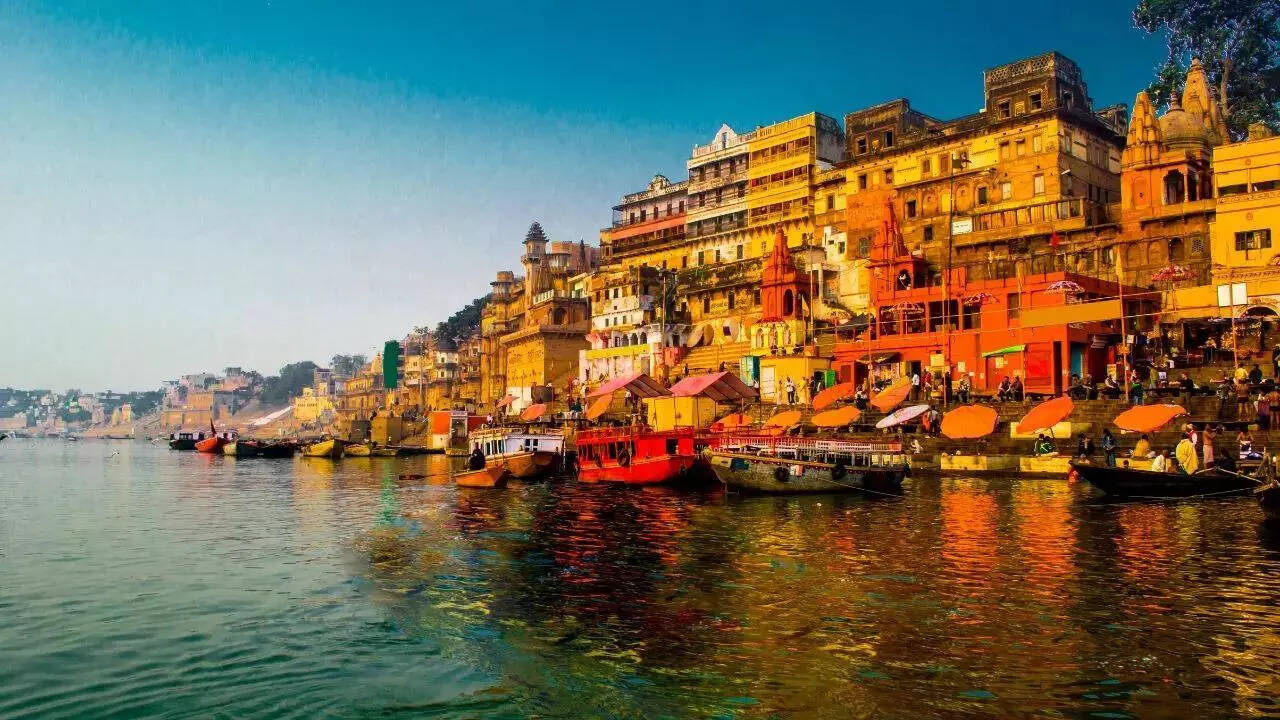
The sacred and the everyday coexist – and travellers engage with both. This shift has been enabled by sustained infrastructure investment: expanded airports, redeveloped railway stations, improved roads, pedestrian corridors, lighting projects and riverfront development. Government schemes such as PRASHAD and Swadesh Darshan have focused on improving tourist facilities around religious and heritage sites, while state tourism departments have leaned into festival-led tourism to keep destinations active year-round.What emerges is a new category of travel – one that blends faith, culture, leisure and storytelling. Leading travel companies of the country are also playing a crucial role in facilitating these travel experiences. Providing millions of devotees and visitors seamless travel solutions, including flight bookings, customized pilgrimage packages, and guided experiences, ensuring a smooth spiritual journey for attendees. While speaking at an event, Rikant Pittie, CEO and Co-Founder, EaseMyTrip said:“Spiritual tourism in India is witnessing significant growth as more travellers seek meaningful experiences at sacred destinations. In 2024, India’s religious tourism market was valued at US$ 202.8 billion, and is expected to grow to US$ 441.2 billion by 2032. Pilgrimage sites like Varanasi, Rishikesh, Tirupati, and Shirdi are attracting millions of devotees annually, contributing to both cultural preservation and economic growth. With improved infrastructure and digital advancements, accessibility to these sites has become easier, further fueling interest in spiritual travel.”
Foreign tourists: Fewer in number, deeper in engagement
India’s foreign tourist arrivals are yet to fully recover to pre-Covid levels, and international media has pointed to concerns ranging from cost to pollution and infrastructure stress. But the recovery, where it is happening, is highly destination-specific. Foreign travellers are increasingly gravitating toward cultural depth rather than checklist sightseeing. Hampi and parts of Rajasthan (deserts and old cities) and Madhya Pradesh, the likes of Khajuraho, and select Himalayan towns have seen renewed interest from overseas visitors looking for immersive experiences – slow travel, spiritual exploration, history, architecture, and everyday life.For many international travellers, India’s emerging destinations offer something that over-touristed global cities no longer do: authenticity without over-curation.

For instance, global pop icon Dua Lipa’s travel pattern to India offers a telling anecdote. She first visited the country in 2018 for a vacation with her then boyfriend Issac Carew, explored several iconic locations, including Ranthambore, Jaipur, Jodhpur, Kerala, and Goa.She returned again in 2023 on her fourth visit to the country, in late December to spend New Year with her family, this time in a very low profile exploring streets and small towns of Rajasthan. The trip was so out of the media gaze that people only found out about it once Dua herself posted pictures on her social media. Interestingly, during her interaction and exploration with people on streets she received warm welcome and hospitality, but notably no one recognised her to the star she is.
How youth are traveling differently
Perhaps the most consequential shift reshaping India’s tourism geography is generational.India’s Gen Z and young millennial travellers are not chasing the same markers of travel that defined earlier decades. Monuments still matter, but they are no longer the sole focus. For this cohort, travel is experiential, social and performative.
- Cafés, sunsets, street food and local neighbourhoods often matter more than monuments
- Travel is as much about content creation as consumption
- Short trips, frequent getaways and budget-flexible itineraries are preferred over long vacations
- A city’s “vibe” matters as much as its history
For many, travel is not an escape from daily life, but an extension of identity – curated, shared and remembered through content.Suchna Yadav, a content creator/ influencer working with a travel agency in Delhi says, “while travelling I see unexplored places which take my breath away, so beautiful that one part of me wants that it should remain the way it is, but then I also want people to see the surreal beauty of nature. And to relay my message, what could be a better option than social media and a little storytelling.” Another influncer Nikita Rawat, has the same opiion and she does it through docu-series and short clips. Travel platforms report a sharp rise in bookings to spiritual and heritage destinations among travellers under 35, often combining pilgrimage with leisure, photography and food exploration.Well many today discover and decide their travel plans according to the social media, but there are also people who have it the old classic way – movies.Aastha Jha, a young journalist working in Delhi has been to Varanasi twice. She started off her travel journey from the city and her most recent visit has been there as well. The reason? ‘Masaan’ (movie).“Watching Masaan, I was so fascinated by the ‘Ye dukh kahe khatam nahi hota be’ scene, that I made up my mind…if I travel, I will definitely go to Benaras,” she said.
Travel as performance, not escape
Social media has fundamentally altered how destinations are discovered.Instagram reels, YouTube vlogs and travel influencers have turned once-understated towns into aspirational stops. A single viral sunset video from Dwarka or a café walkthrough in Varanasi can reach millions.This has changed the rhythm of tourism:
- Destinations peak not just during festivals, but after viral moments
- Cafés, boutique stays and experiential tours become anchors of tourism
- Local entrepreneurs – from boatmen to homestay owners – increasingly shape the tourist economy
In this new ecosystem, travel is not always about escape. It is about visibility, storytelling and identity.Underrated, but risingBeyond the headline destinations, India’s tourism boom is quietly lifting lesser-known places into the spotlight.
- Chitrakoot, straddling Uttar Pradesh and Madhya Pradesh, is emerging as a spiritual and nature-led destination
- Badami–Aihole–Pattadakal in Karnataka offer a quieter alternative to Hampi
- Mandawa and Bundi in Rajasthan are drawing heritage travellers looking beyond Jaipur and Udaipur
- Maheshwar on the Narmada blends spirituality, architecture and textiles
These destinations benefit from a trickle-down effect – travellers extending trips, seeking quieter experiences, or deliberately avoiding crowds.
Concerts, culture and the rise of event-led travel
Alongside religious festivals, concerts and large-scale cultural events have emerged as powerful drivers of domestic travel.These events often trigger short, high-intensity travel bursts, filling hotels, boosting transport demand and introducing new audiences to destinations.The effect is cumulative: travellers arrive for an event, discover a place, and return later for leisure or exploration. Over the past couple of years multiple national and international celebrities have held concerts across the country, and their impact has been phenomenal. Now a global superstar Diljit Dosanjh ‘Dil-Luminati’ tour was a sold out game, spanning through multiple cities and the story was the same everywhere, immense demand and sold-out, high-energy shows. So has been the results of Lollapalooza India, Sunidhi Chauhan’s ‘I am Home India tour’ and Shreya Ghosal’s ‘All Hearts Tour’ all of which have been monumental successes.The massive crowd in every show has not been only the locals but people travel cities, states to attend these concerts and events. Similarly, international acts like The Coldplay concerts, Ed Sheeran’s India tour, Maroon 5, Cigarettes After Sex, Akon and many others triggered massive short-term travel spikes. Hotels sold out, flight fares surged, and cities that rarely featured on tourism maps saw first-time visitors.Last year when Coldplay performed in Ahmedabad, the record-breaking shows, featuring 1.34 lakh attendees, created a massive ₹Rs 641 crore economic impact. One of the attendees was Kikruheno Casavi, then a student in Delhi now a working professional in Kohima. She along with her friends who flew all the way from Kohima visited the Ahmedabad, paid much more for the flights to hands down everything from hotels to local travel and food, when compared to regular time, given the high demand, at the end she ended of spending close to lakh on the concert, that was a good influx into the economy. So has been the impact of these massive events on the domestic travel and economy.
Marketing, platforms and the democratisation of discovery
One of the most profound changes in Indian tourism is how destinations are discovered.For decades, tourism marketing centred on a narrow set of icons – beaches, palaces, monuments. Today, social media has emerged as a powerful equaliser. A single Instagram reel of a sunset in Dwarka or a café walk-through in Varanasi can reach millions, bypassing traditional campaigns entirely.Unlike curated brochures or seasonal campaigns, digital storytelling is organic, constant and often driven by travellers themselves. A single reel, vlog or photo series can introduce millions to places that once barely featured on travel maps. As a result, destinations are no longer marketed only as pilgrimage stops or heritage sites, but as spaces for culture, leisure, food and everyday exploration.Travel platforms, too, have adapted. Pilgrimage packages now integrate leisure, experiences and flexible itineraries. Boutique stays, heritage homestays and experiential tours have become anchors of tourism ecosystems.The change in narrative – from “must-see” landmarks to “must-feel” moments – has made India’s emerging destinations more accessible, relatable and aspirational, particularly for younger travellers.In many ways, the tourism boom reflects not a discovery of new places, but a reframing of familiar ones – amplified by platforms where authenticity, not advertising, now drives attention.
Economic ripple effects and the sustainability challenge
The tourism shift has tangible economic consequences. Hospitality players report higher occupancy rates across the year, not just during peak seasons. Local economies – transport operators, guides, artisans, food vendors – benefit from sustained demand rather than seasonal spikes.

At the same time, challenges are mounting. Overcrowding, waste management, environmental stress and infrastructure capacity pose real risks. Experts warn that without heritage-sensitive planning and sustainability measures, the very qualities drawing travellers could be compromised.
A tourism map still in motion
What’s clear is that India’s tourism map is no longer static – or metro-centric.It is being reshaped by faith and culture, by digital discovery, by younger travellers redefining value, and by destinations once overlooked now stepping into the national and global imagination.The shift underway is not about discovering new places, but about seeing familiar ones differently. And in that reframing, India’s tourism future is quietly being rewritten. And in that shift, the most interesting stories may lie far beyond Mumbai and Goa. Go to Source