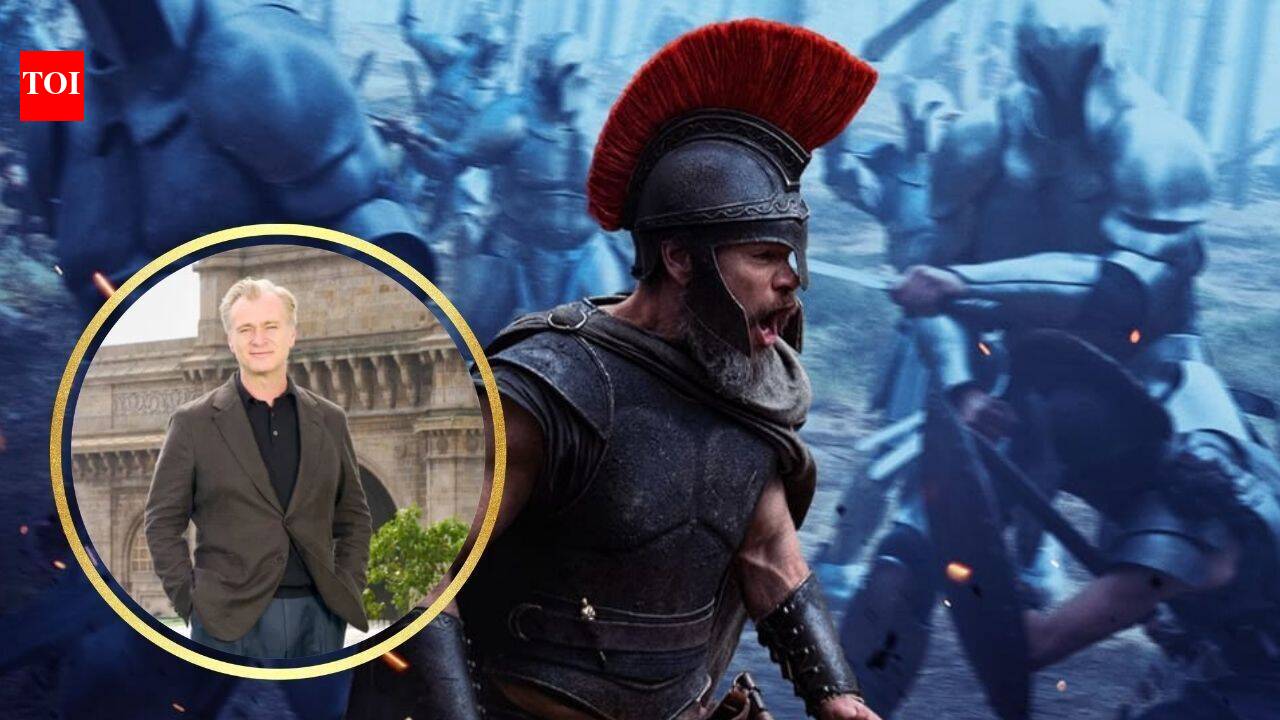

Christopher Nolan’s ambitious vision for The Odyssey reportedly had to be adapted around the physical limitations of IMAX 70mm technology during production and editing.Image credit (Instagram)
Christopher Nolan’s ‘The Odyssey’ would have exceeded the three-hour mark if not for a technical limitation imposed by the very technology the director chose to pioneer with the film. The Greek epic, set to release in theatres on July 17, 2026, has an official runtime of 2 hours and 52 minutes, but Nolan originally envisioned a longer cut of the ambitious adaptation.According to Letterboxd, the director could not extend the runtime beyond approximately 165 minutes due to constraints inherent to the large-format cameras used throughout the entire production. The limitation stems from the physical specifications of 70mm film prints, which cannot exceed that duration without requiring a complete reconstruction of projection systems worldwide.
The IMAX technical constraint
During an interview with the outlet, Nolan went to a booth in the audience to show the large-format cinema technology specialist the remaining constraint. “Over the years I’d challenged him to enlarge the platters or come up with a clip system to hold the film end when it got a bit bigger than the platter,” Nolan stated, indicating his efforts to push past the technical constraints over time.
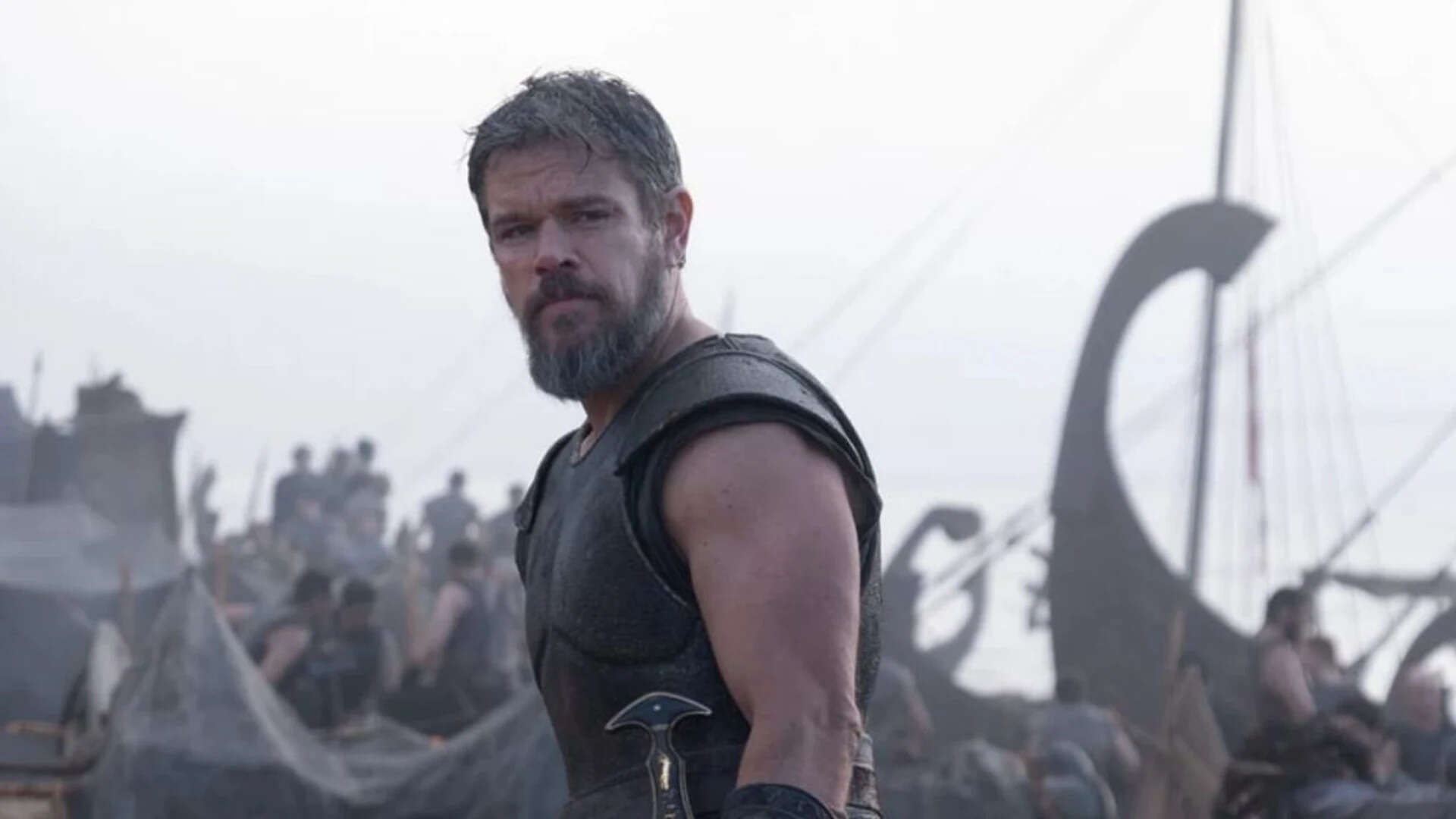
Christopher Nolan’s epic The Odyssey was reportedly shortened to fit the runtime limits of 70mm IMAX projection technology.Image credit (Instagram)
Any solution exceeding the current limitation would involve rebuilding the entire projection infrastructure, which would be impractical on a global scale. Instead, Nolan embraced the restriction and made his final cut accordingly.
The workaround and editorial decisions
While Nolan ultimately kept his Greek retelling under the three-hour mark for the main feature, he managed to exceed the time limitation through non-large-format post-credits material, allowing him to include additional content beyond the standard runtime restriction. The director also revealed that he erased considerable filmed material during the editing process, describing the selection of which scenes made the final cut as a significant “challenge.”