
Last Updated:
When a whiskey tax pushed 1790s American farmers to their limit, they took up arms in a fierce rebellion that tested the very power of the new nation.


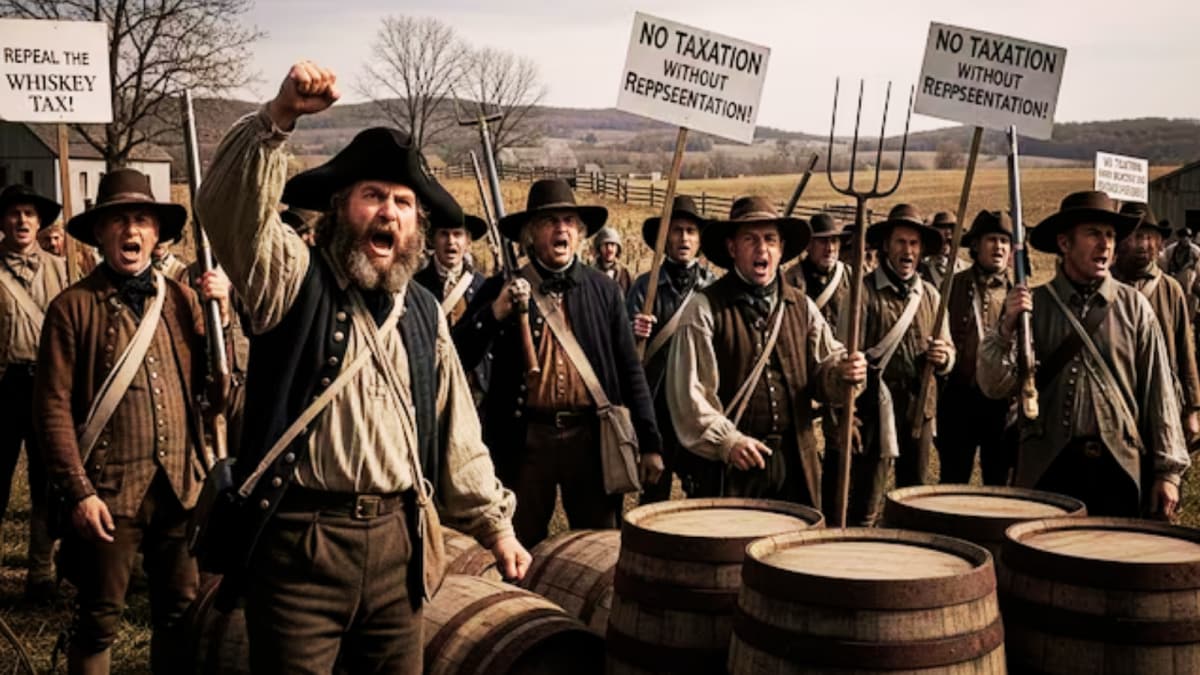
Around 500 armed men gathered to form a rebel militia, which began attacking tax offices, capturing federal officials, and refusing to comply with the tax. (AI Generated/News18 Hindi)
When the Indian government recently slapped a hefty 40% tax on ‘sin goods’ under the GST, it reignited a global debate over these controversial products, that is, tobacco, alcohol, sugary drinks, which are legally consumed yet often viewed as morally questionable. Governments worldwide tax them heavily to protect public health and boost revenue, but such moves have frequently sparked public outrage.
Long before India’s move, history witnessed a fiery clash over sin taxes in the United States. Between 1791 and 1794, farmers in western Pennsylvania rose in defiance of the nation’s first federal tax on alcohol, a pivotal event now known as the Whiskey Rebellion. This dramatic stand-off became a defining moment, illustrating the tension between citizens’ resistance to taxation and the emergence of federal authority in the young American republic.
Recommended Stories
Why Was The Tax Introduced?
The roots of the rebellion trace back to the American Revolution, which lasted from 1775 to 1783 and is sometimes referred to as a civil war, given its internal nature. Although the revolution led to the establishment of an independent United States, it left the new nation burdened with heavy debt, amounting to around $75 million, a vast sum at the time.
To manage this economic crisis, President George Washington and his Treasury Secretary, Alexander Hamilton, introduced a number of financial reforms. Alexander Hamilton’s plan involved the creation of a national bank, centralisation of state debts under the federal government, and, most controversially, new taxes.
Among these was the Excise Tax Act of 1791, which imposed duties on distilled spirits, particularly whiskey. This was America’s first sin tax, aimed not just at discouraging alcohol consumption, but at raising revenue to pay off the war debt.
Why Farmers Revolted: The Burden Of Sin Taxes
The excise tax had a disproportionate impact on small farmers and distillers, especially those in Western Pennsylvania and other rural regions such as Virginia and Kentucky. These farmers often converted their surplus grain, like rye and maize, into whiskey, which was easier to transport and sell.
For many, whiskey production was their primary source of income. However, the new tax placed a heavier burden on small producers than on large-scale distilleries, who could absorb the costs more easily.
In addition, there was a shortage of currency in the western regions. Farmers were often unable to pay the tax in cash, which only intensified their frustration. Many felt the government was favouring wealthy eastern merchants and urban interests, while neglecting the struggles of rural communities.
From Peaceful Protest To Armed Resistance
Initially, farmers responded with peaceful protests, holding meetings and denouncing the tax as unconstitutional. However, tensions escalated over time.
By 1792, hostility towards the tax collectors had grown, and in 1794, the situation turned violent. In July 1794, the rebellion intensified after an attack on the home of a federal tax inspector. Around 500 armed men gathered to form a rebel militia, which began attacking tax offices, capturing federal officials, and refusing to comply with the tax.
This armed resistance came to be known as the Whiskey Rebellion, a challenge to federal authority that threatened to destabilise the young republic.
George Washington’s Response: A Show Of Federal Power
President George Washington took the rebellion seriously. For the first time in American history, the President called upon the federal army to suppress an internal revolt. George Washington himself led an army of 13,000 soldiers to Western Pennsylvania to re-establish order.
By the time the troops arrived, the rebellion had largely dissipated. The show of force was enough to deter further violence. Around 150 rebels were arrested, but only two were convicted, both of whom were pardoned by George Washington.
Though the rebellion was quelled, it highlighted growing political divisions in the new republic. Many Americans saw the government’s response as harsh and authoritarian, and the event became a rallying point for those opposed to centralised power.
Political Consequences And The End Of The Tax
Despite quelling the rebellion, the tax remained controversial. It continued to be enforced, but public opposition never waned. In 1802, under Thomas Jefferson’s administration, the whiskey tax was abolished, reflecting a shift in political priorities and public sentiment.
Even so, the Whiskey Rebellion had a lasting impact. It strengthened the federal government’s authority, proving that it could enforce laws across all states. It also laid the foundation for how future protests and tax policies would be handled.
Modern Legacy: Craft Distilling And Legal Restrictions
Interestingly, even today, many American farmers and small producers continue to make alcohol on their land. These small, often family-run operations are known as craft distilleries.
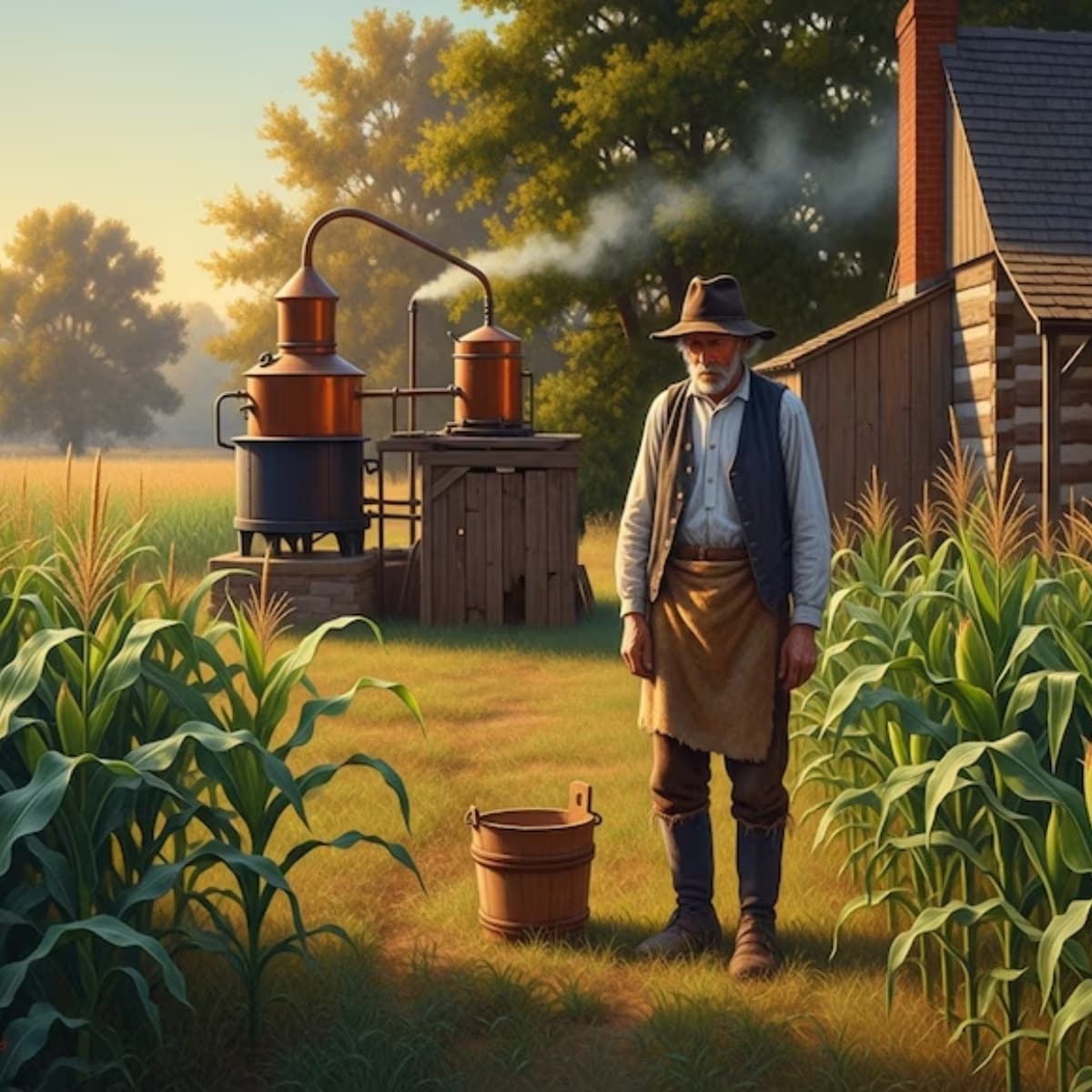
They are legal but highly regulated. Craft distillers must obtain special licences from both federal and state authorities, and they must comply with strict quality control and tax regulations. Producing or selling alcohol without a licence remains illegal in the US, which means commercial sales at the domestic level are rare without formal registration.
In recent years, the craft spirits movement has seen a resurgence in small-scale distilling across the US, although the market continues to be dominated by major corporations.
India’s Sin Tax Rates Among The World’s Steepest
Today, excise duties or sin taxes are applied globally on products such as alcohol to curb consumption and increase public revenue. According to the World Health Organization (WHO), by 2023, 148 countries had imposed excise duties on alcohol.
India tops the list when it comes to taxation on liquor. The excise duty on whiskey in India ranges from 50% to 70%, depending on the state. Similarly, beer is taxed between 40% and 60%, making India one of the highest-taxing countries on alcoholic beverages.
In contrast, the United States levies some of the lowest alcohol taxes in the world.
United States of America (USA)
September 08, 2025, 13:13 IST
Loading comments…
Read More