
Last Updated:
By triggering snapback, Britain, France and Germany have set a 30-day clock that could restore UN sanctions aimed at curbing Iran’s accelerating enrichment levels


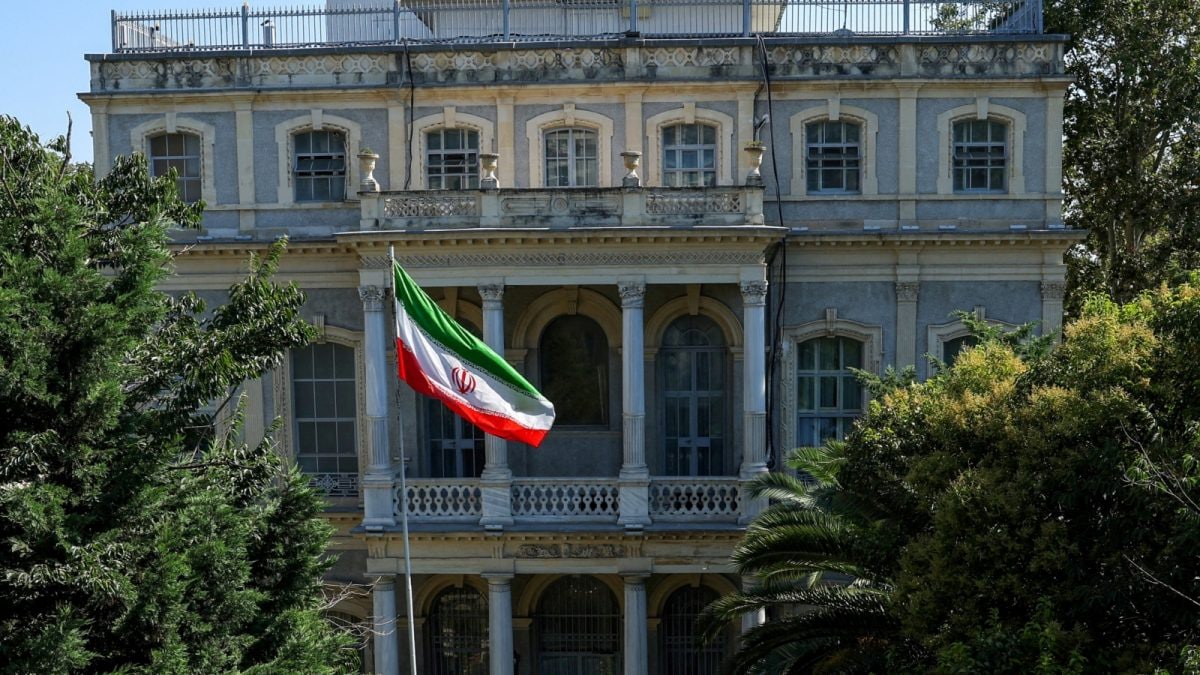
Britain, France and Germany, collectively known as the E3, formally activated the snapback mechanism against Iran. (Reuters Image)
Iran is once again facing the return of sweeping United Nations sanctions, after European powers formally triggered a snapback mechanism built into the 2015 nuclear deal. With uranium enrichment accelerating, diplomacy stalled, and the snapback clause set to expire in October, tensions are rising over what could become a major nuclear flashpoint.
What Is The Snapback Mechanism And Why Is It In The News Again?
Recommended Stories
On Thursday, Britain, France and Germany, collectively known as the E3, formally activated the snapback mechanism against Iran at the United Nations Security Council. This process, built into the 2015 Joint Comprehensive Plan of Action (JCPOA), allows any original signatory to the nuclear deal to unilaterally reimpose a suite of UN sanctions on Iran if it is found in significant breach of the agreement.
The mechanism was designed to be veto-proof. Once triggered, it begins a 30-day countdown. During this time, the Security Council would need to adopt a resolution to continue Iran’s sanctions relief. However, such a resolution would require at least nine votes in favour and no vetoes from the five permanent members – the US, UK, France, China or Russia – to pass.
This virtually guarantees failure, as the E3 themselves can block any such resolution. If the resolution fails or is not adopted within the 30-day window, the previous UN sanctions on Iran automatically snap back into force by late September.
What Was The 2015 Nuclear Deal And What Went Wrong?
The JCPOA, signed in 2015 by Iran and six world powers – the UK, France, Germany, China, Russia and the United States – was designed to restrict Iran’s nuclear programme in exchange for lifting UN, US and EU sanctions. Iran agreed to cap uranium enrichment at 3.67 per cent, maintain a stockpile no greater than 300 kilograms, and accept intrusive inspections by the International Atomic Energy Agency (IAEA).
In return, Iran received broad relief from international economic sanctions and was allowed to pursue civilian nuclear energy.
However, the deal began unravelling after US President Donald Trump withdrew from it in 2018, calling it “the worst deal ever” and reinstating unilateral US sanctions. In response, Iran gradually scaled back its compliance. By 2022, it had removed most IAEA surveillance equipment. In 2023, it barred several senior UN inspectors altogether.
Why Has The Snapback Been Triggered Now?
The E3 have accused Iran of “willfully and publicly departing” from its JCPOA obligations. According to the IAEA, Iran has amassed over 400 kilograms of uranium enriched to 60 per cent purity, just short of weapons-grade, and a total stockpile exceeding 9,200 kilograms. Under JCPOA terms, Iran was allowed neither.
The IAEA has also assessed that if Iran were to enrich this material further to 90 per cent purity, it would be enough to build nine nuclear weapons, though producing a usable weapon would also require additional technological expertise, such as warhead design and detonation systems.
Talks between Iran and the E3 over deferring the snapback continued through late August but have so far failed to produce a breakthrough. Iran has refused to comply with three core demands made by the Europeans: resuming direct negotiations with the US, fully restoring IAEA inspection access, and disclosing the new location of its highly enriched uranium following the US-Israeli bombings in June.
Earlier this year, the E3 and the United States had informally agreed to trigger the snapback mechanism by the end of August if Iran failed to meet key conditions. In July, during a final round of European outreach, Tehran was offered a delay in exchange for three steps: rejoining direct nuclear talks with Washington, granting full IAEA access, and accounting for over 400 kilograms of highly enriched uranium. Iran rejected the proposal.
As the snapback mechanism is set to expire on October 18, ten years after UNSC Resolution 2231 was adopted, the E3 moved to preserve their ability to invoke it before the deadline. Their decision was also timed to precede Russia’s presidency of the Security Council in October, as Moscow could otherwise delay the process using procedural tactics.
What Sanctions Will Be Reimposed?
Unless Iran meets the European conditions and a new resolution is adopted within the 30-day window, which is highly unlikely, the following UN sanctions will be reinstated:
- A conventional arms embargo
- A ban on uranium enrichment and reprocessing
- A ban on ballistic missile testing or development capable of delivering nuclear weapons
- Travel bans and asset freezes targeting key Iranian individuals and entities
- Permission for countries to inspect Iran Air Cargo and Iranian shipping lines for prohibited items
These were part of six earlier UN Security Council resolutions between 2006 and 2010, which had been lifted under the JCPOA.
What Has Iran Said In Response?
Iran has strongly condemned the snapback move, calling it “illegal and regrettable”. A senior Iranian official told Reuters, “The move is an action against diplomacy, not a chance for it. Diplomacy with Europe will continue.”
Iran has long maintained that its nuclear programme is peaceful. It argues that since the US exited the deal and reimposed sanctions in 2018, Tehran is no longer bound by the JCPOA restrictions.
Iran has also threatened to withdraw from the global Treaty on the Non-Proliferation of Nuclear Weapons (NPT) if UN sanctions are reinstated, a move that could further destabilise global nuclear non-proliferation efforts.
While some officials have left the door open for talks, others have warned of a “harsh response” if sanctions go ahead. Iranian leadership remains divided – hardliners favour escalation, while moderates advocate engagement.
What Role Have The US And Israel Played In This Crisis?
Although the United States cannot formally trigger the snapback after withdrawing from the JCPOA, it has backed the E3’s decision. Secretary of State Marco Rubio said, “The United States remains available for direct engagement with Iran – in furtherance of a peaceful, enduring resolution to the Iran nuclear issue.”
However, tensions flared earlier this year when the US and Israel jointly bombed multiple Iranian nuclear and military sites in mid-June. According to Reuters, these attacks directly disrupted a planned round of nuclear talks that was scheduled for June 15. Iranian officials now view that episode as evidence that diplomacy was being used as a cover for military action.
How Are Europe, Russia And China Positioned?
While the E3 maintain that their objective is to prevent Iran from developing a nuclear weapon, critics argue that their strategy has shifted from diplomacy to pressure. Some experts view Europe’s actions as aligning more closely with the US and Israel, particularly after European leaders failed to condemn the June bombings.
Russia and China, meanwhile, have proposed a draft resolution to extend the JCPOA framework until April 2026. The proposal reportedly includes language that would prevent the E3 from using the snapback clause. While both countries cannot veto the snapback once it is in motion, they can choose to ignore the reinstated sanctions and can veto any Security Council action that seeks to penalise them for doing so.
What Happens Next?
The countdown has begun. If no new resolution is adopted, all UN sanctions will snap back in late September.
The E3 have offered to delay sanctions implementation for up to six months if Iran meets their conditions, but Tehran appears unwilling to concede without guarantees that no further Israeli or US attacks will occur. As of now, the uranium’s location remains undisclosed, IAEA access remains partial, and no talks with Washington are underway.
The upcoming United Nations General Assembly in mid-September offers a narrow diplomatic window, with world leaders set to gather in New York. However, few expect meaningful progress without a dramatic shift in positions from either side.
About the Author

Karishma Jain, Chief Sub Editor at News18.com, writes and edits opinion pieces on a variety of subjects, including Indian politics and policy, culture and the arts, technology and social change. Follow her @kar…Read More
Karishma Jain, Chief Sub Editor at News18.com, writes and edits opinion pieces on a variety of subjects, including Indian politics and policy, culture and the arts, technology and social change. Follow her @kar… Read More
Loading comments…
Read More