
Last Updated:
While GST cuts do not make many expensive therapies easily affordable even now, they do bring patients a little closer to accessing them


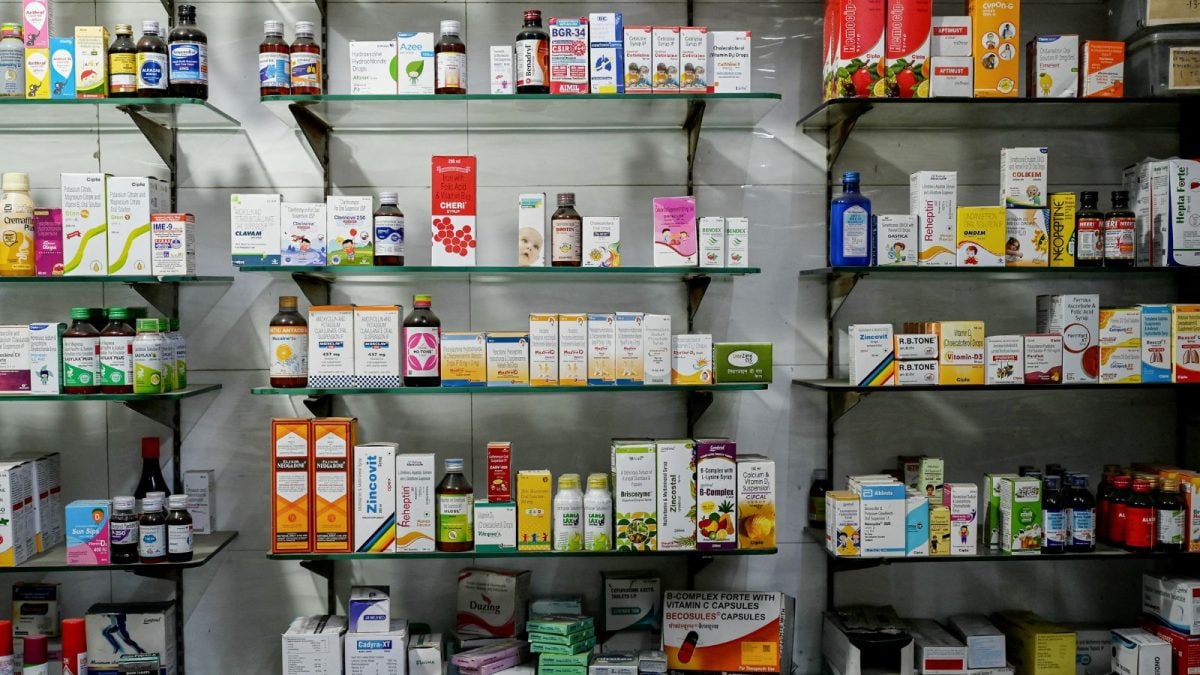
A recent analysis of life-saving drugs, which saw their GST rate drop from 12 per cent to 5 or even zero, shows that treatment costs are falling noticeably across therapies used for cancer, blood disorders, genetic conditions, and rare diseases. Representational image: AFP
From bringing down the price of the world’s costliest drug to medicines that require multiple doses, the Narendra Modi government’s move to cut Goods and Services Tax (GST) on patent-protected critical medicines is expected to bring relief to patients struggling with huge medical bills. A recent analysis of life-saving drugs, which saw their GST rate drop from 12 per cent to 5 or even zero, shows that treatment costs are falling noticeably across therapies used for cancer, blood disorders, genetic conditions, and rare diseases.
Recommended Stories
The list of these patented drugs includes some of the most expensive and advanced medicines available in India. These are prescribed for conditions such as spinal muscular atrophy, multiple myeloma, lung cancer, lymphoma, Gaucher disease, Pompe disease, and haemophilia, among others.
In a list of drugs corroborated by research firm Pharmatrac, 30 drugs for critical conditions are biologics, for which patients are dependent on these imported medicines. It includes the world’s most costly medicine, the rare gene therapy drug Zolgensma (onasemnogene abeparvovec), priced at nearly Rs 18 crore. The tax cut alone reduces the bill by more than Rs 1.1 crore, a difference that can make the therapy more reachable for patients.
While these reductions do not make such therapies easily affordable even now, they do bring patients a little closer to accessing them. With lower prices, families relying on crowdfunding may need to raise slightly less, and those spending from their own pockets can save a bit more towards the next dose. “While these treatments may still remain beyond the full reach of most families, the crucial step marks the beginning of greater affordability. For our community, every reduction matters—crowdfunding targets will now be a little lower, and every rupee saved brings hope to patients and parents racing against time,” Cure SMA, a parent-led association, posted on its Instagram handle to thank the finance minister and the GST Council for exempting GST on Zolgensma, a drug to treat spinal muscular atrophy.
Other popular biologics face GST-led price cut
Similarly, for drugs that are prescribed more frequently, the relief is also visible.
The price of the anti-cancer immunotherapy drug Atezolizumab has come down by over Rs 42,000 after the GST revision. Alectinib, prescribed for lung cancer, now costs almost Rs 7,788 less for a box of seven strips. Even injections such as Eptacog alfa, a critical clotting factor for patients with bleeding disorders, have become cheaper by nearly Rs 5,700 per vial.
Eptacog alfa is a medication used to treat patients with certain severe bleeding disorders, such as haemophilia, Factor VII deficiency, or Glanzmann’s thrombasthenia. Similarly, another drug to treat haemophilia, 150 mg injection of Emicizumab, has become cheaper by over Rs 30,000. From the MRP of Rs 2.94 lakh, the latest retail price has been reduced to Rs 2.62 lakh.
A humanised monoclonal antibody injection, mepolizumab, which is used to treat severe asthma or a rare autoimmune disease, Eosinophilic Granulomatosis with Polyangiitis (EGPA), has gotten cheaper by around Rs 4,500.
For families that often struggle to fund long treatment cycles or lifelong care, even a reduction of a few percentage points in tax will translate into savings of thousands and, in some cases, lakhs of rupees. The impact is not just confined to rare diseases or high-end gene therapies; the changes in the GST slab bring relief to a wide spectrum of patients.
Patients need support for buying biologics, advanced medicines: Experts
Sheetal Sapale, vice-president, commercial, at Pharmarack, explained why the list of these 30 drugs matters. “All drugs are under patent protection. This move directly helps patients, as India has no major lineup of biosimilars—the generic version of biologically made drugs. Hence, patients are dependent on imported products, which are very expensive. GST relief on life-saving drugs reduces the cost of treatment to some extent, providing some relief to the patient. Almost all the life-saving drugs under GST relief are for critical diseases like cancer, myeloma, etc, and are patented biologics.”
Dr Pragya Shukla, who leads the clinical oncology department at Delhi State Cancer Institute, told News18, “A number of agents used for cancer treatment have been moved to 0% GST. The entire research in oncology today is to either cure the disease or convert it into a chronic disease. For any chronic treatment to be successful, there are 2 essential requirements—availability and affordability. Many of these molecules at present are very costly and not affordable for out-of-pocket patients, and also cause difficulties for insurance card holders too, as it exhausts their limit of coverage.”
She said that “most of the cancers today are at least controllable, provided we use the right molecules. This removal of GST will make these molecules affordable even for patients who have to use them for a long duration.”
According to Joydeep Ghosh, partner and life sciences & healthcare industry leader, Deloitte India, the recent GST rate rationalisation is a landmark move aimed at improving affordability and accessibility in healthcare. “Reduction of GST rate from 12% to 5% on pharmaceutical drugs will make medicines more affordable for patients. Further, the exemption provided on lifesaving drugs (used for cancer, rare diseases, and chronic conditions) shall ease the financial burden on patients facing high medical costs,” he said. “By reducing the cost burden, the government has sent a clear message that essential medicines must remain within the reach of those who need them most. The tax cut, while technical in nature, translates directly into a matter of life and survival for patients and their families.”
About the Author

Himani Chandna, Associate Editor at CNN News18, specialises in healthcare and pharmaceuticals. With firsthand insights into India’s COVID-19 battle, she brings a seasoned perspective. She is particularly pass…Read More
Himani Chandna, Associate Editor at CNN News18, specialises in healthcare and pharmaceuticals. With firsthand insights into India’s COVID-19 battle, she brings a seasoned perspective. She is particularly pass… Read More
September 10, 2025, 08:00 IST
Loading comments…
Read More