
Last Updated:
Multiple lines of research on chlorophyll levels and carbon cycles support this seasonal pulse. This means, smart dolphins shop where the shelves are full.


When and Where Can You Actually Spot Them? Timing the Arabian Sea’s Best Dolphin Days
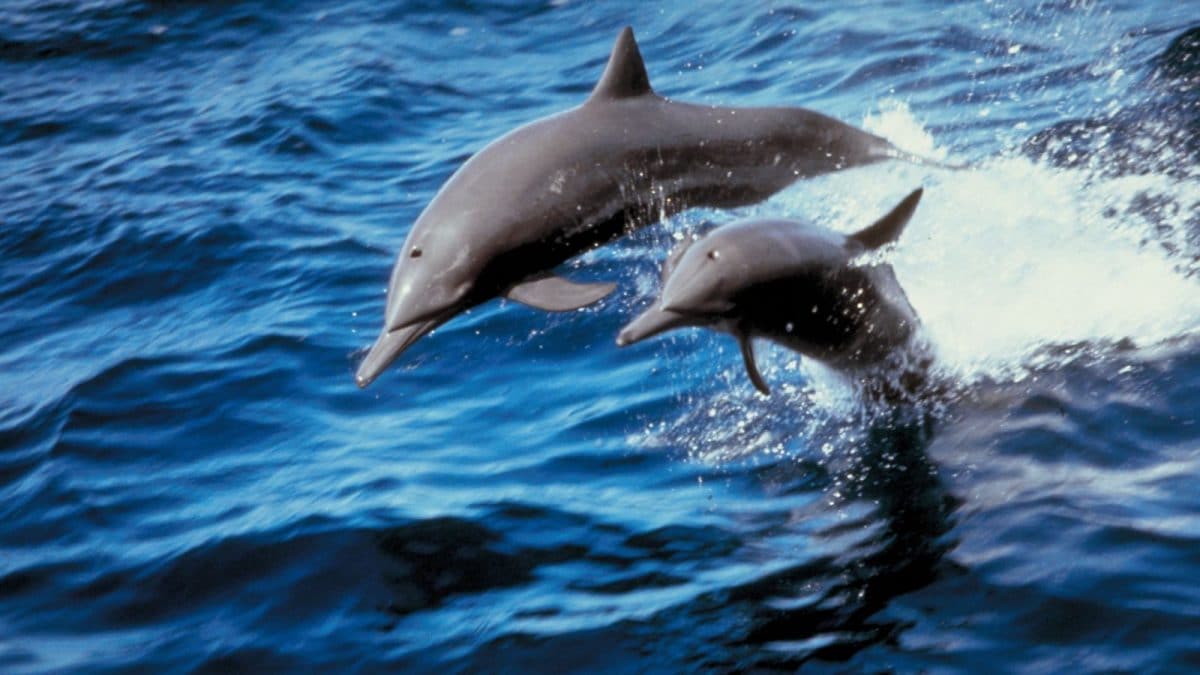
At first light along Maharashtra’s Konkan coast, fishing boats hum across a glassy Arabian Sea when a sudden silver arc cuts the water. A pod of dolphins, close enough to hear their breath. Over the past few weeks, sightings like this have spiked from Malvan to Goa, flooding social feeds with leaping fins and sunrise videos.
Fishermen swear they’ve never seen so many; tourists scramble for boat rides. But is this a true comeback or simply sharper eyes and calmer seas after the monsoon? Behind the thrill lies a story of shifting currents, booming productivity and the quiet risks of crowding nature.
Recommended Stories
Along Maharashtra Goa Karnataka shores, the usual suspects are Indian Ocean humpback dolphins (Sousa plumbea) in nearshore, estuary-adjacent waters. Indo-Pacific bottlenose dolphins (Tursiops aduncus) a little farther out and, more rarely, finless porpoises.
Humpbacks are listed as Endangered, which means “cute selfie” territory is actually conservation high-risk.
How we know they’re around: the evidence base, not vibes
Formal surveys and atlases
India’s recent marine mammal survey effort logged thousands of observation hours across the Arabian Sea, giving us a map of where cetaceans concentrate, Konkan included. It’s a national baseline against which “more sightings” claims can be judged.
Peer-reviewed work in Konkan waters
Studies from the Sindhudurg–Malvan belt show humpback dolphins hug the strip within roughly 750 m of shore and cluster near estuaries, exactly where our fishing fleet and tourist boats also intensify. That overlap raises collision and entanglement risk and also makes dolphins easier to spot.
Rescue and stranding hotlines
Citizen-reported strandings have shot up because there’s finally someone to call. ReefWatch’s new “Matsya” marine telemedicine helpline trains lifeguards, fishers and forest staff in Goa–Karnataka, converting “I saw a dolphin” into verifiable records and live rescues. More phones ringing equals more data points, not necessarily more dolphins.
Seasonal and weather context
Heavy monsoon spells followed by calmer breaks create perfect “watch windows.” On those glossy, low-swell days, small craft get out, tours run, and nearshore dolphins become easy to spot. When seas are rough, they’re still there – you just don’t see them.
Why the monsoon makes Konkan “feel” dolphin-rich
The Arabian Sea is a productivity monster under the Southwest Monsoon. Upwelling and river runoff pump nutrients into the coastal strip; phytoplankton blooms spike; baitfish follow; predators follow the buffet.
That ecological elevator moves right along the west coast of India, including Konkan. Multiple lines of research on chlorophyll levels and carbon cycles support this seasonal pulse. This means, smart dolphins shop where the shelves are full.
It’s not just winds. Coastal-trapped waves and rainfall-driven runoff also juice productivity; years differ, and upwelling isn’t the sole driver. That nuance explains why “best sightings” can migrate week to week along bays, river mouths, and reefy headlands.
Are there objectively “more” dolphins or just more eyes?
Short answer: both can be true, but proving it needs rigor.
- Effort correction: Any honest trend must adjust for “effort” (how many hours boats looked, what routes, what sea state). Tour operators launching extra sunrise trips in shoulder season can double sightings without a single extra dolphin entering the bay.
- Habitat funnels: High-density “cells” near estuaries and within 500 m of coast naturally create hotspot sightings and higher risk.
- Reporting bias: With lifeguards, fishers and tourists now trained to log and phone in, strandings and live sightings look like they’re rising. That’s a good thing it means our denominator (observations) is finally catching up.
Malvan’s dolphin cruises mushroomed alongside other low-cost water sports, becoming a weekend staple for Mumbai–Pune drive-ins. But regulation has lagged. Goa does regulate water sports operations, but specific, enforceable dolphin-watching codes like approach distances, cut-off speeds, engine-off time need sharper teeth and daily enforcement.
Risks rising in the same waters that feel “alive”
- Entanglement and gear conflict: Nearshore gillnets overlap peak dolphin foraging tracks; acoustic disturbance pushes animals into suboptimal spaces; prop strikes happen.
- Noise and harassment: Engines repeatedly leap-shadowing pods change behavior, burn energy, and disrupt mother-calf pairs.
- Strandings after storms: High-energy monsoon events are followed by more strandings; distinguishing natural mortality from net injury matters for policy.
What a good study (or newsroom data piece) would actually do
- Define a clean Konkan stretch (say, Dapoli–Malvan–Arambol) and aggregate three years of day-by-day sea state, chlorophyll proxies, and tide/wind windows with operator logs.
- Normalize sightings by effort: trips per day, hours at sea, and the mean Beaufort scale per trip.
- Overlay estuary mouths and mapped high-risk cells to see if “viral” days cluster where risk is highest.
- Run a pre-/post-monsoon comparison: are pods closer to shore in late SW-monsoon lulls versus fair-weather winter?
- Tag a citizen-science upload pipe to the hotline database to validate photos to species and group size.
That’s the difference between a “dolphins are back!” reel and evidence your audience (and policymakers) can act on.
So, is September 2025 a special spike?
Meteorology shows seas toggling between heavy spells and calmer breaks in early September along Konkan–Goa. Those calmer interludes are exactly when tours run and fishermen spend longer near the estuary plumes.
Expect social feeds to over-index on those windows. The ecological driver like monsoon-season productivity stacking food nearshore remains the underlying constant.
Ethical dolphin watching: what readers and operators should actually do
- Keep at least 100 m from pods; never cross their path; idle speed under 5 knots when within 200 m; engines in neutral if dolphins approach.
- Limit encounters to 10–15 minutes per group; rotate boats; no leap-chasing.
- No feeding, no plastics.
- Avoid parking over river plumes and estuary mouths during peak foraging time.
- Use quieter engines, four-stroke or electric where possible.
Konkan needs a published, enforced dolphin-watching code aligned to global best practice, with on-water checks during weekends and holidays.
Local econometrics: keep the money, lose the heat
Rather than 20 cut-price speedboats chasing one pod, a licensing cap with staggered time slots, trained naturalists, and mandatory data logging can raise average ticket value while lowering harassment.
Indian Ocean humpback dolphins are Endangered, nearshore specialists exactly the kind of species that prosperity can love to death. If Konkan sighting posts are up this season, celebrate that the Arabian Sea’s monsoon engine still feeds life close to our beaches but remember: we can keep the wonder without turning it into a chase scene.
September 12, 2025, 10:58 IST
Loading comments…

Scan the QR code to download the News18 app and enjoy a seamless news experience anytime, anywhere