
Last Updated:
Nepal’s 1951 merger debate resurfaces as Pranab Mukherjee recalls Nehru rejecting King Tribhuvan’s proposal, favouring Nepal’s independence over integration with India


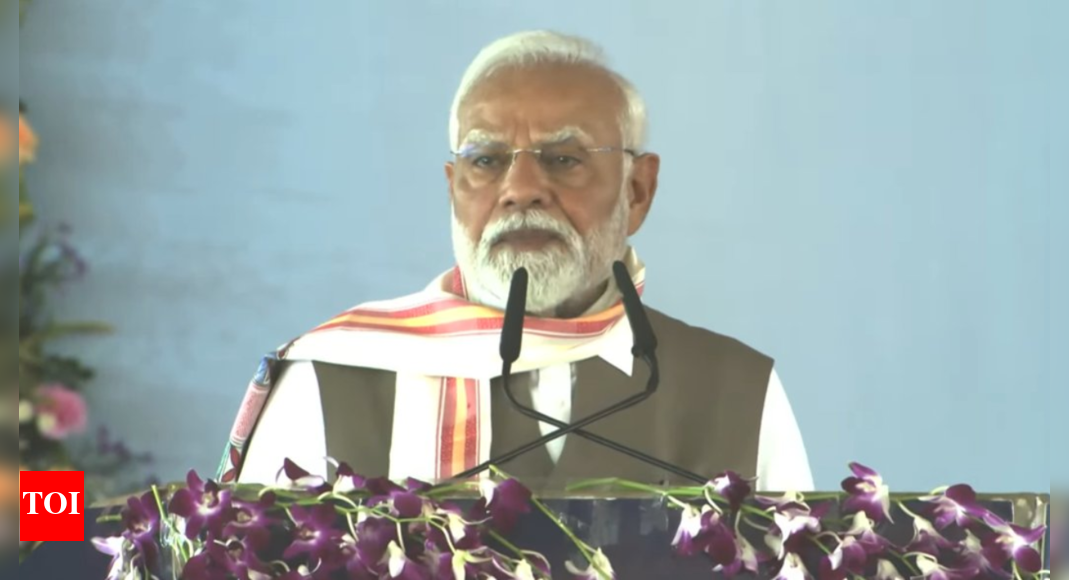
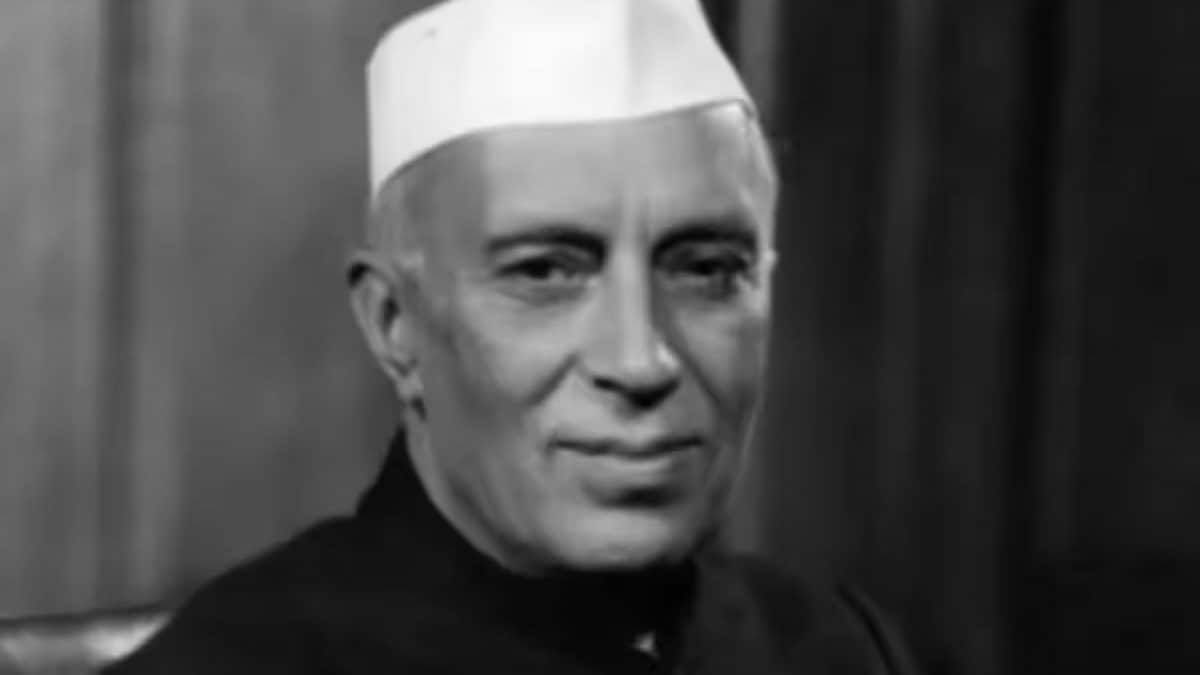
Historians and diplomats have long contested the claim that Jawaharlal Nehru turned down a formal merger proposal. (File image/X)
The recent political turmoil in Nepal has reignited a decades-old debate – should India have merged the Himalayan nation when the opportunity allegedly presented itself in the early 1950s? On social media platforms, many argued that Nepal’s inclusion into India could have ensured greater stability and prosperity. These discussions, however, are closely tied to a controversial claim, that in 1951, then Prime Minister Jawaharlal Nehru rejected a merger proposal put forth by Nepal’s King Tribhuvan Bir Bikram Shah.
The late President Pranab Mukherjee, in his autobiography The Presidential Years, had written that Nehru chose not to pursue the proposal. In Chapter 11 of the book, under the section titled My Prime Ministers: Different Styles, Different Temperaments, Mukherjee observed, “If Indira Gandhi had been in Nehru’s place, she would have probably taken advantage of this opportunity. As she did in the case of Sikkim.”
Recommended Stories
Mukherjee, while analysing the leadership styles of former prime ministers, underlined Nehru’s cautious diplomacy. He noted, “Every prime minister has his own style of working. Lal Bahadur Shastri did such work which was very different from Nehru’s work. Prime ministers, even if they are from the same party, can have different perceptions on issues like foreign policy, security and internal administration.”
According to Mukherjee, Nehru’s approach towards Nepal was informed by his vision of nurturing democracy in the Himalayan state following the collapse of the Rana regime. While King Tribhuvan is said to have floated the idea of Nepal becoming a province of India, Nehru dismissed it, insisting that Nepal must remain an independent nation.
The 1950 Treaty of Peace and Friendship
The backdrop to these claims lies in the 1950 Indo-Nepal Treaty, signed by India’s representative Chandrashekhar Prasad Narayan Singh and Nepalese Prime Minister Mohan Shamsher Jung Bahadur Rana. The agreement outlined political, economic and security cooperation between the two neighbours.
When King Tribhuvan returned to Nepal in 1951, ending the century-old Rana dominance, he sought to restore constitutional democracy. This period also saw deepening ties between the Nepali Congress and India. Tribhuvan’s reliance on India and his overtures for closer integration were often cited as evidence that merger was once under consideration.
Revolution Against the Ranas
The Nepali Congress declared a revolution in 1950 to overthrow Rana rule, and King Tribhuvan aligned himself with both the Congress and pro-democracy factions of the Rana clan. Nepali author Amish Raj Mulmi has argued that the success of this uprising was possible only through joint efforts. By 1951, Tribhuvan had assumed power and installed a limited democratic framework under an interim constitution.
Allegations Against Nehru
Historians and diplomats have long contested the claim that Nehru turned down a formal merger proposal. Critics note that there is no documentary proof in the Ministry of External Affairs archives to suggest that King Tribhuvan ever offered to cede sovereignty.
A section of reports maintains that Tribhuvan favoured close relations with India, but Nehru, wary of potential Western, particularly British and American, interference, insisted Nepal must retain its independence. As one foreign policy paper observed, “Nobody wants to give up their independence and identity,” a view Nehru strongly believed in.
Did Patel Want Nepal to Join India?
Former Nepalese ambassador to India, Lok Raj Baral, has also questioned the narrative. According to him, “I don’t think the Ranas wanted Nepal’s merger with India. We have not found any such evidence. Yes, Tribhuvan was definitely in favour of closeness to India.”
Baral further noted that some accounts attribute a suggestion to Sardar Vallabhbhai Patel for integrating Nepal into India. However, he clarified that “there is no evidence for this claim either”.
What emerges is a picture of ambiguity rather than certainty. While Pranab Mukherjee’s memoir rekindled the debate, academic consensus remains that there was never a concrete proposal for merger. Instead, the historical record points to Nehru’s preference for a sovereign, democratic Nepal that remained a close ally of India rather than an Indian province.
September 11, 2025, 18:41 IST
Loading comments…
Read More