
Death , taxes and… Ford?
When it comes to constants in life, it’s almost a given that Ford, after 122 years of existence, will be involved in auto racing in a significant way. After all, Ford started in 1903, partly because of racing: Henry Ford had won an event two years earlier in his ‘Sweepstakes’ car, and the prize money (plus the publicity and investors that followed) helped him start his second auto company, one that remains beloved by many Americans today.
Now, Ford is re-entering Formula One.
On track
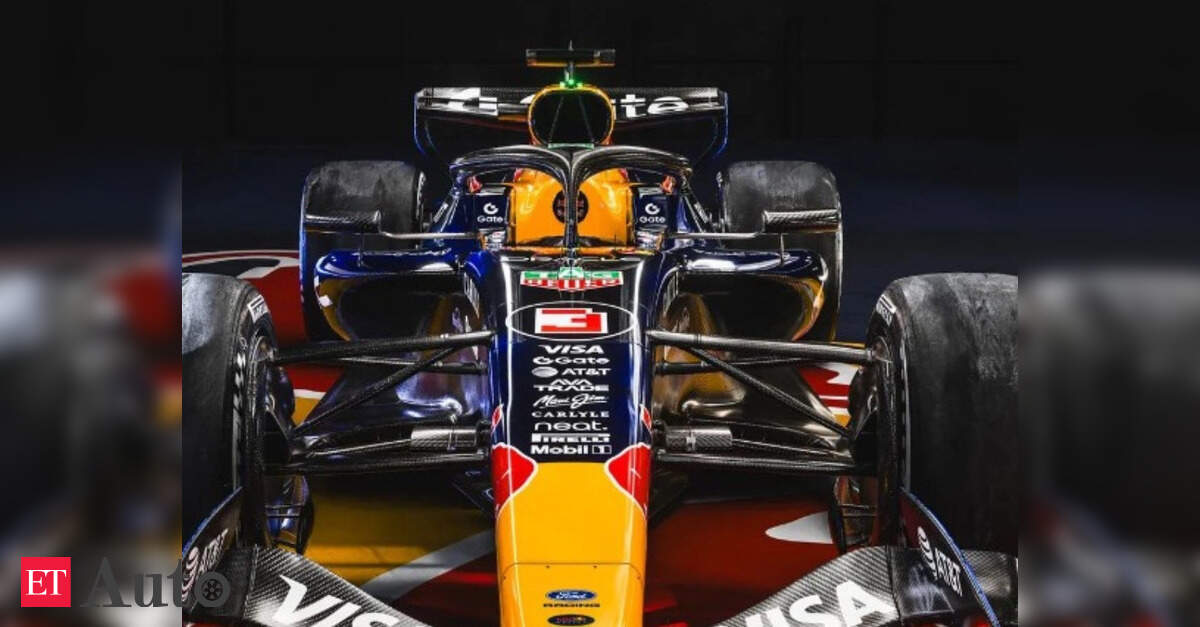
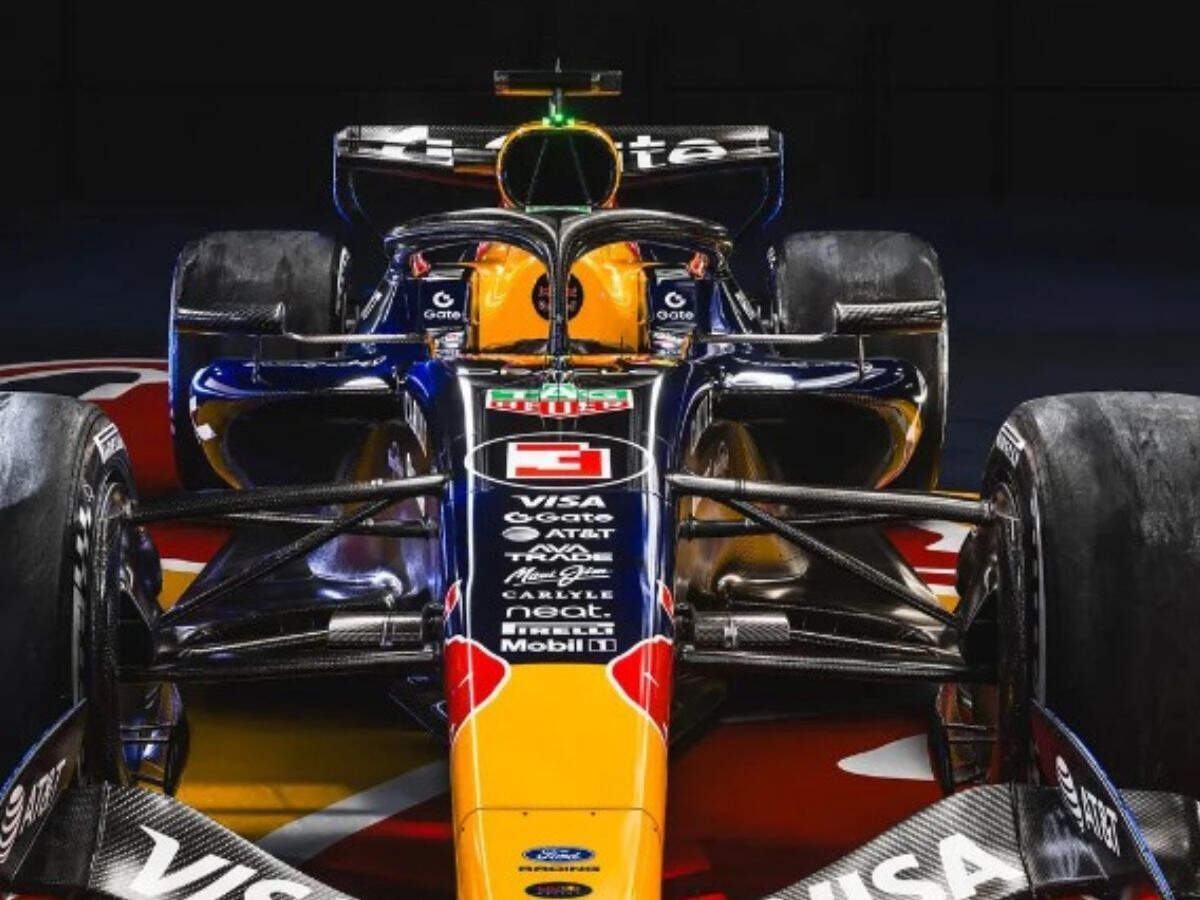
Ford may be the third most-accomplished engine manufacturer in F1, with 176 grand prix wins, trailing Ferrari and Mercedes, but it has not been on the grid since 2004, when it powered the Jaguar Racing team. Jaguar was bought by Red Bull at the end of that season. Now, Ford is returning to grand prix racing through a partnership with Red Bull, as they tackle F1’s new engine rules together.
But Will Ford, general manager for Ford Performance, feels his family’s company has a different message to bring to F1.
Speaking about the other original equipment manufacturers in F1, Ford said: “They’re really luxury brands. A lot of them obviously have great performance and motor sport histories, but Ford, it’s an iconic American brand — one of two now on the grid.”
“But we’re the Everyman’s brand. We’re a team and a brand that the average American F1 fan around the world can identify,” Ford said. “And I think Red Bull is a perfect partner for us to come back onto the grid with that message. Red Bull has the challenger mentality.”
Power unit
Ford made its first F1 appearance in 1967, in the same role it is returning now — as an engine supplier.
Back then, it introduced a double fourvalve engine, built in partnership with the Cosworth company. The engine is considered one of the greatest in F1 history, with teams running it chalking up 155 grand prix victories, 12 drivers titles and 10 constructors championships from 1967 to 1983.
Though the popularity of those engines eventually waned , the company remained in F1 in the years that followed. The engine Michael Schumacher used to win his first world championship in 1994? A Ford.
From 1995, however, its engines’ successes began declining, and the last Ford-powered F1 win came in April 2003 — by Giancarlo Fisichella’s Jordan at the Brazilian Grand Prix. But after a 22-year F1 hiatus, the company has been lured back.
Finish line
F1’s 2026 regulations will introduce smaller, lighter cars with greater reliance on electric power and sustainable fuels. Calling F1 the “ultimate laboratory” for high performance hybrids, the company says lessons from its Red Bull partnership will feed directly into future road cars.
Executive chair Bill Ford — the great-grandson of the company’s founder, Henry, and father to Will — added that racing accelerates innovation in engines and aerodynamics, with technology learned o n track ultimately benefitting customers — a n impact Ford now expects to achieve in F1 as it has in other forms of racing.
“Our family name is on everything we do,” Bill Ford said. “Therefore, everything we do must be great. And that’s why we are tackling F1, and we’re very confident, as we tackle F1, that we will be great.
“Sofromafamily standpoint, everything is personal for us. Our name is on every car and truck we sell. It’s in every race that we participate in. It doesn’t get much more personal than that.” .