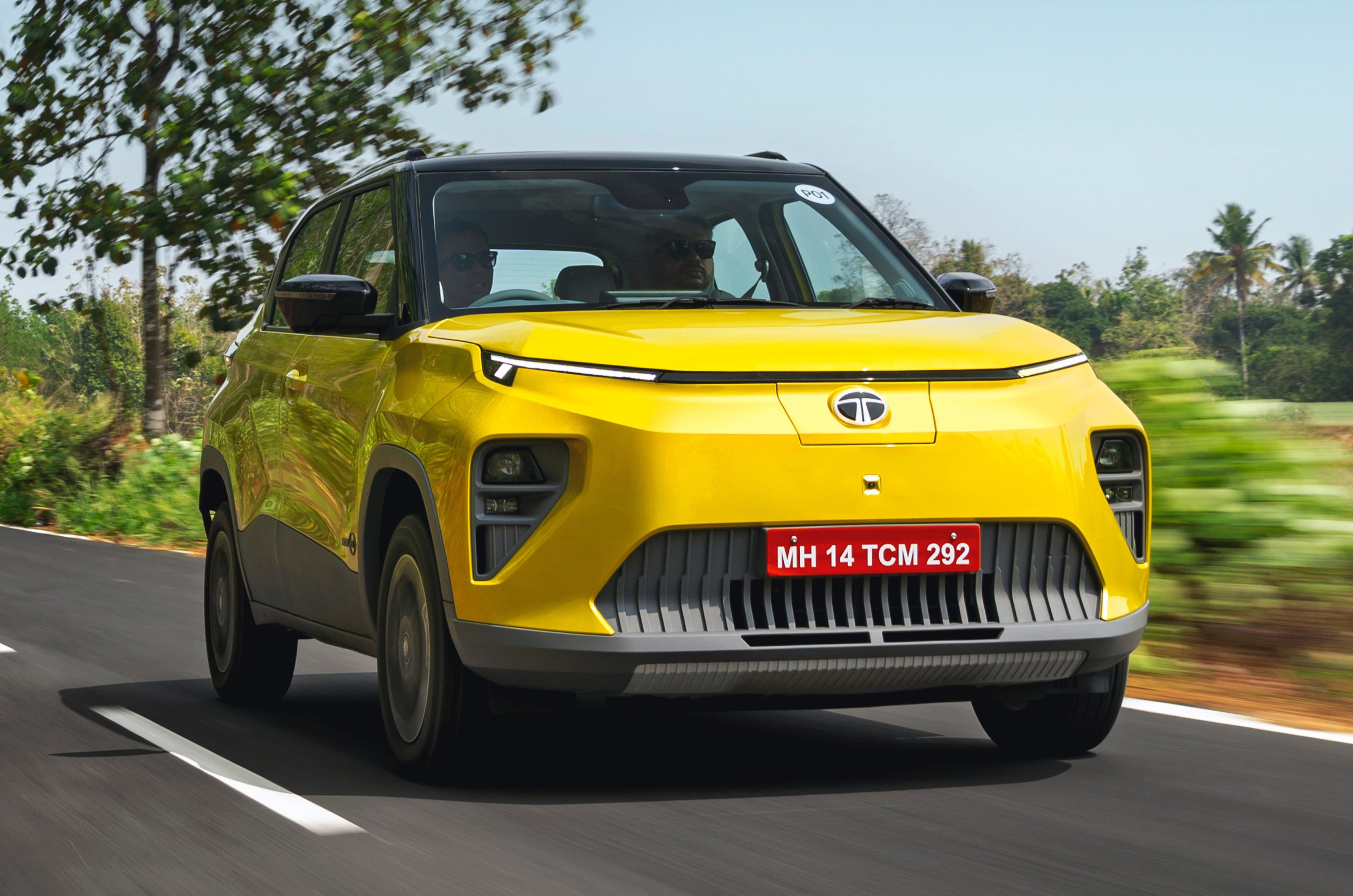

Hot on the heels of the ICE-powered Tata Punch facelift comes a rather substantial update for the Punch EV. Don’t let the mild exterior nip and tuck fool you. Tata has made some important changes under the skin that it claims bring more range, better performance and quicker charging – all at a more affordable asking price. How has Tata pulled it off, and crucially, how does it all add up? We found out during our first drive in sunny Kochi.
Tata Punch EV facelift exterior design and engineering – 8/10
Minor exterior tweaks keep the Punch smart; bigger battery packs and a compact drivetrain feature underneath.
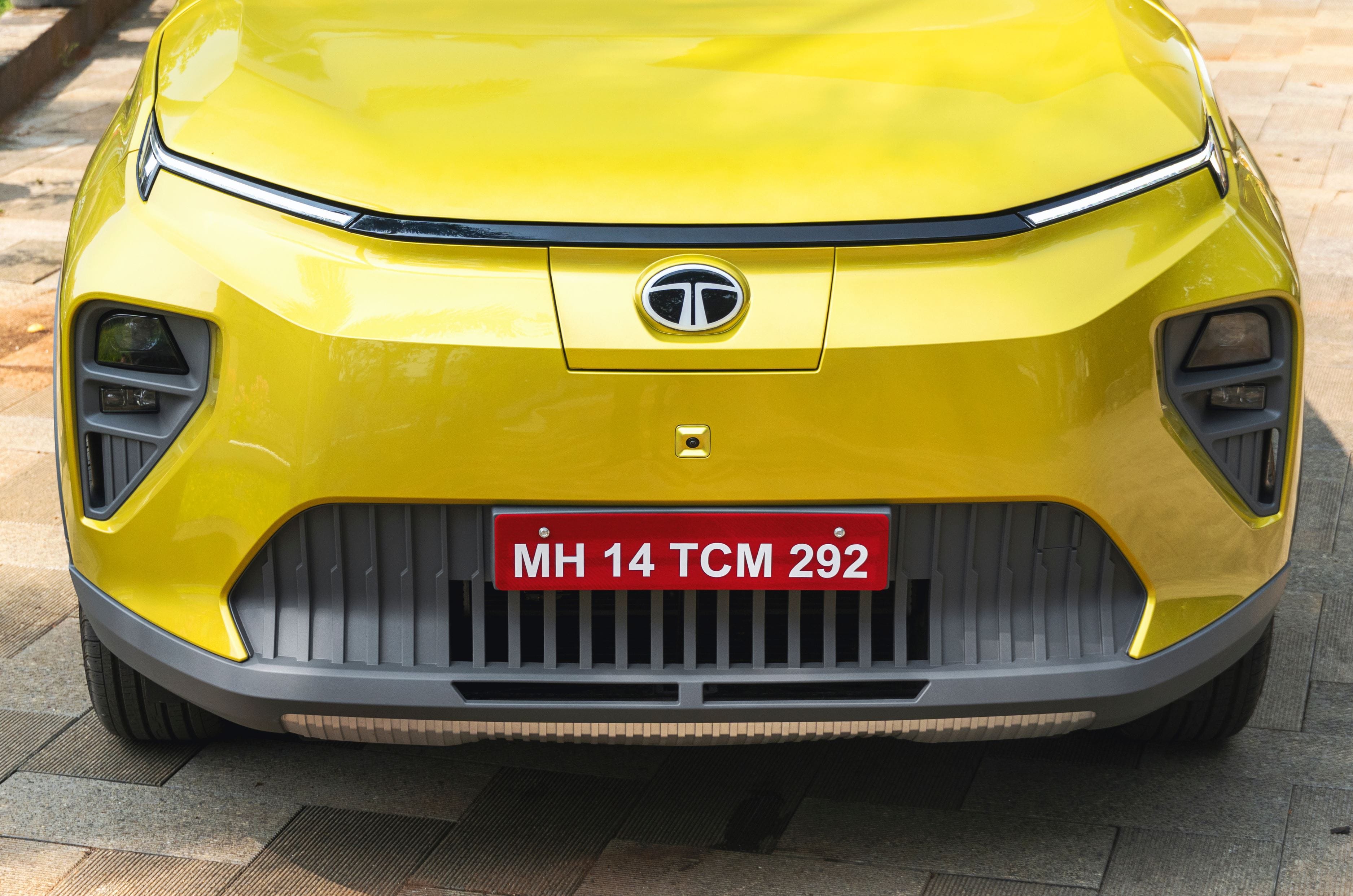
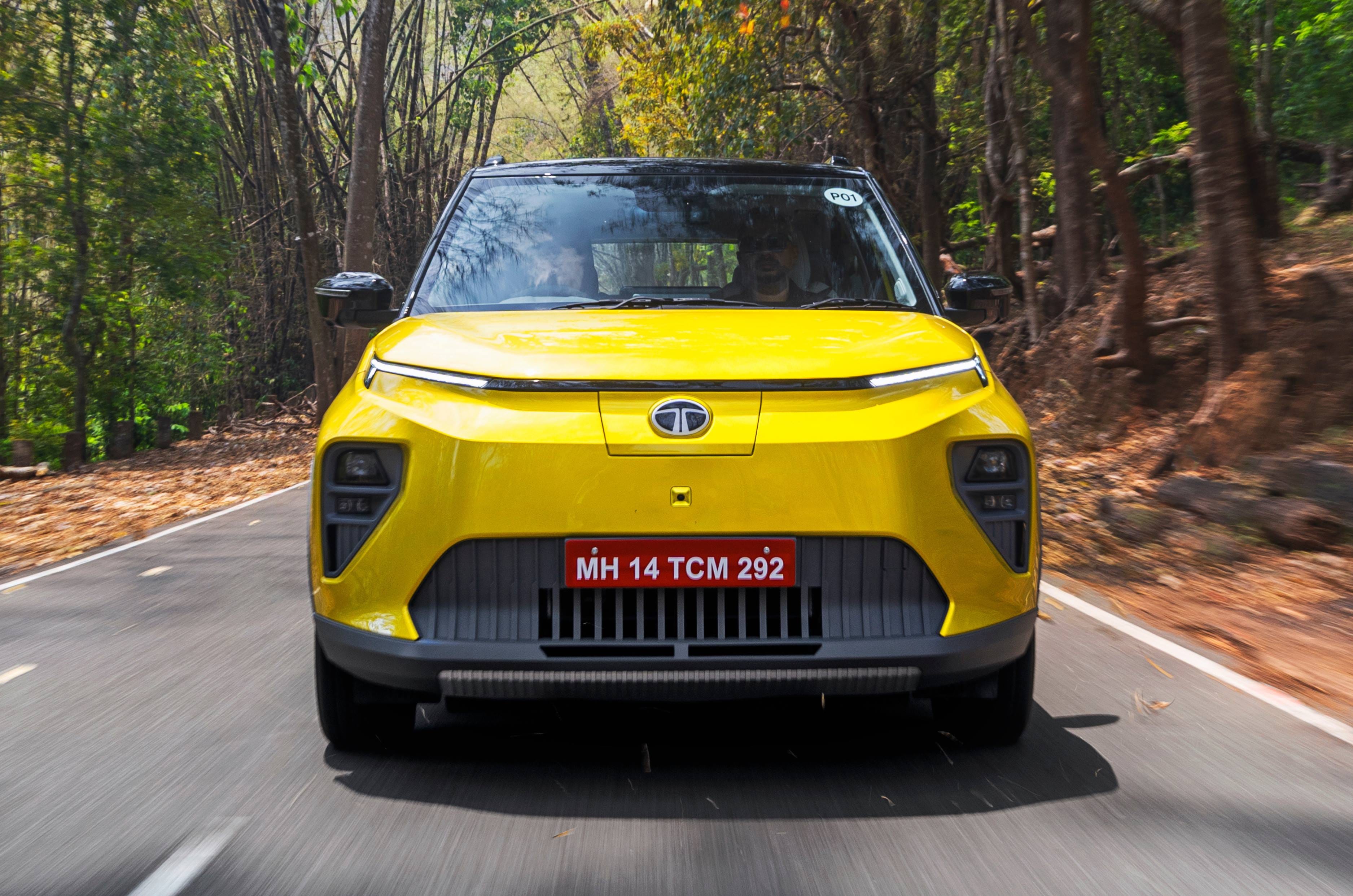
The updates to the front end of the Punch EV leave no doubt that it’s powered by electricity and not dinosaur juice. It ditches the earlier black plastic element connecting the headlights for a cleaner, more aero-optimised look, though Tata doesn’t claim any gains in drag coefficient. Also gone is the LED light bar that linked the Y-shaped daytime running lamps (DRLs) – possibly in the interest of cost savings. The charging flap remains front and centre, and the only air intake sits lower down in the bumper, surrounded by vertical slats. Details like the air channels below the LED headlamps remain.
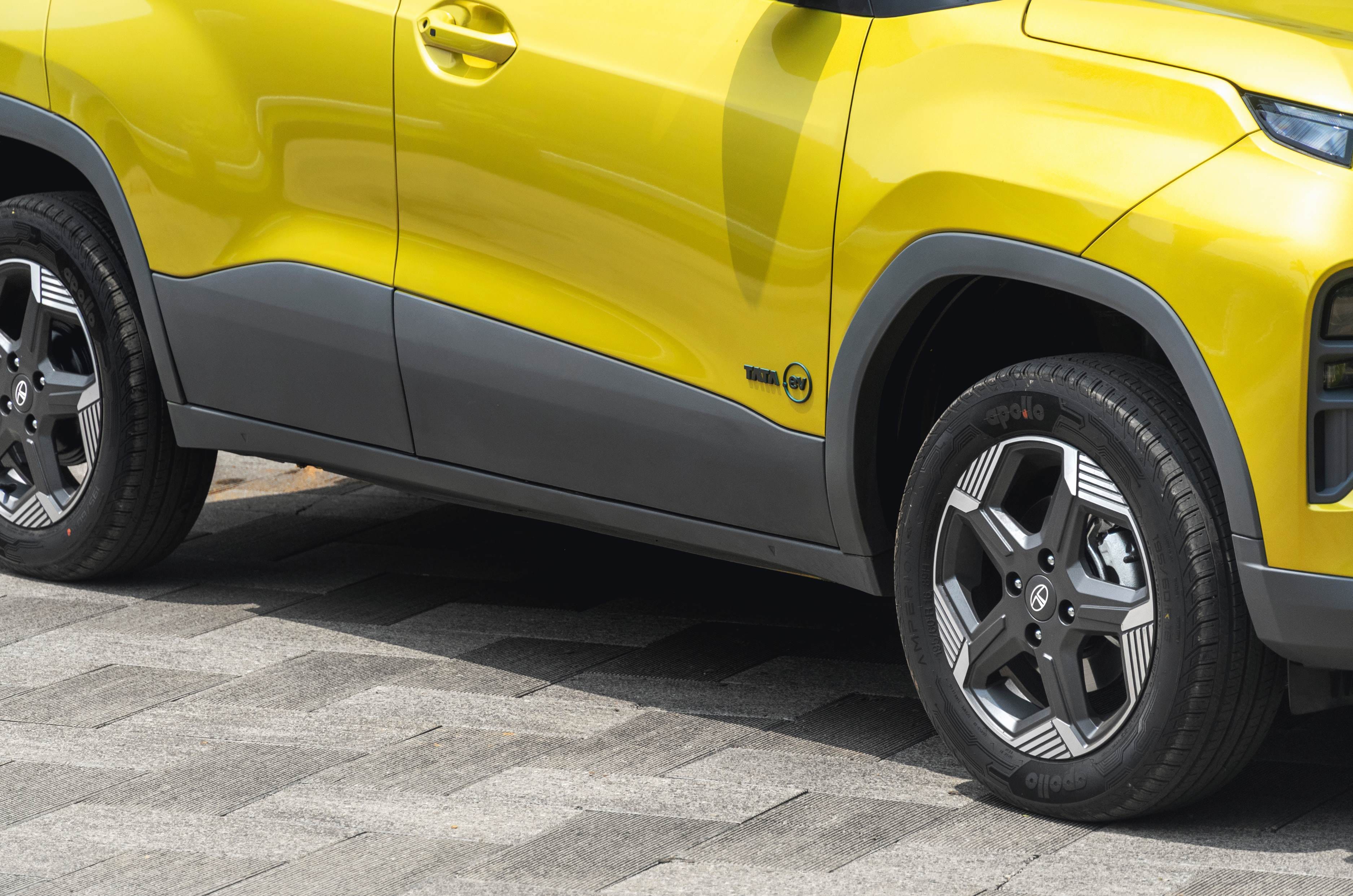
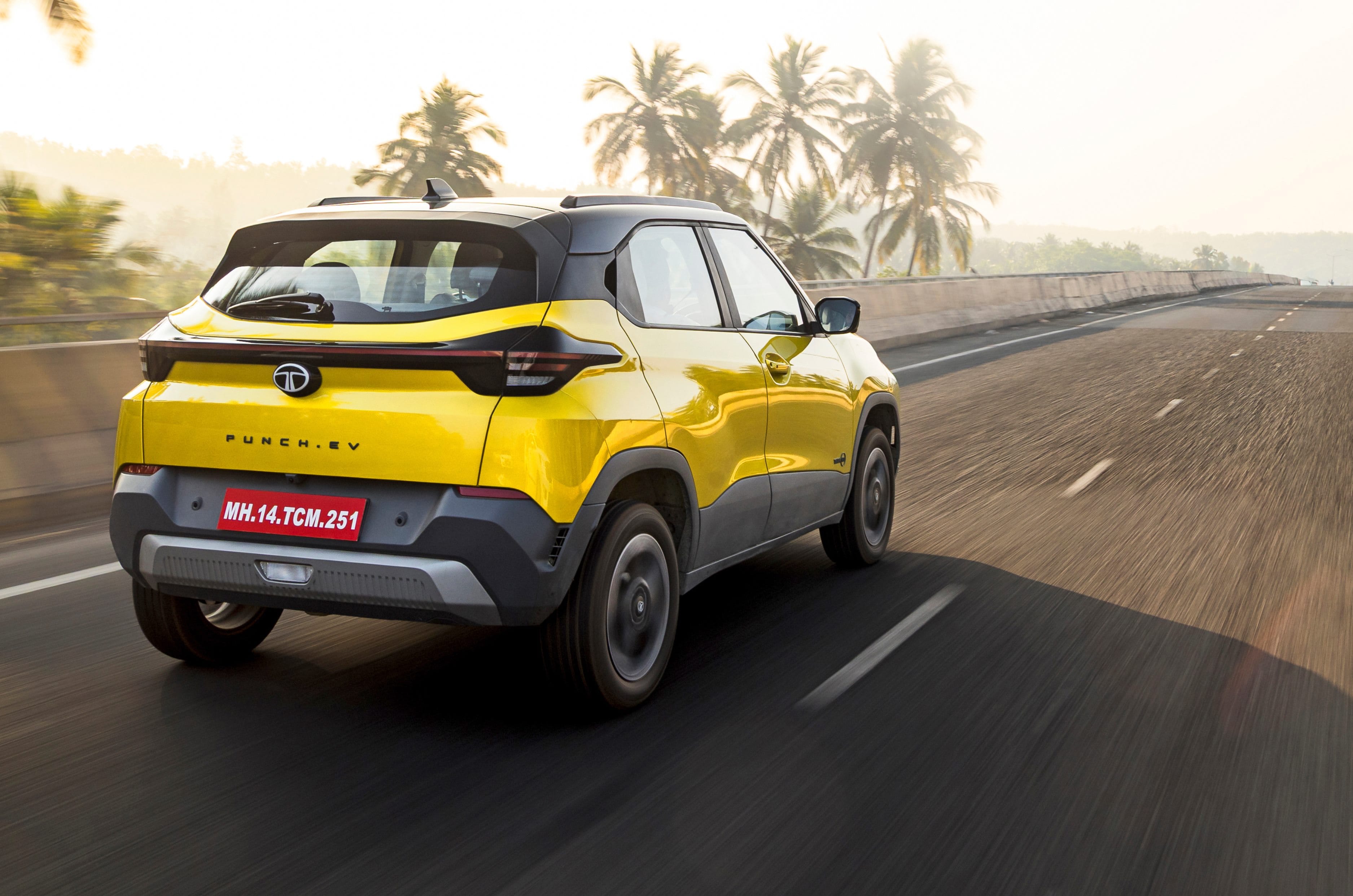
All the unpainted plastics lower down are now a lighter grey instead of black, and while that’s an easy way to tell the EV apart from the ICE version, I’m not a fan of its somewhat sun-faded appearance. The 16-inch alloy wheels are now finished in matte grey to match, while a Tata.ev badge with the brand’s signature teal highlights sits proud on the door. Aside from this, there’s no change to the silhouette, with the high beltline and C-pillar-mounted rear door handle remaining highlights.
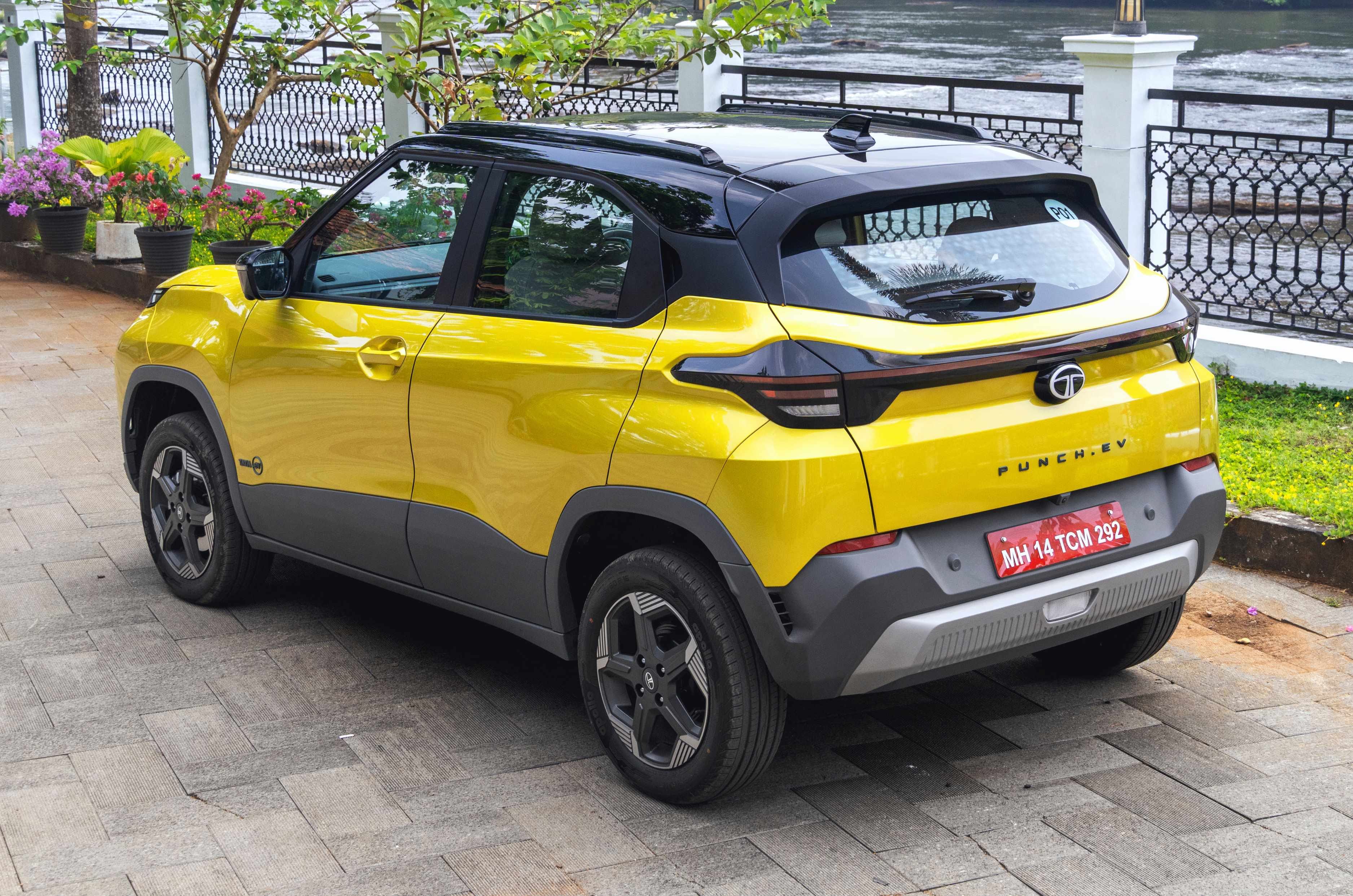
The rear end borrows the ICE Punch’s connected LED tail-lamps and chunky bumper with a low-mounted reverse light. ‘Punch.ev’ lettering continues on the tailgate, now with teal highlights. The colour palette is also livened up with the addition of Caramel, Bengal Rouge and our test car’s Fearless Yellow. With their respective updates, as before, the Punch EV and Punch ICE have their own distinct visual identities.
The bigger changes, though, are under the skin. Based on the acti.ev platform, the Punch EV now comes with either a 30kWh or a 40kWh battery pack – up from the earlier 25kWh and 35kWh options. This has been achieved by switching from cylindrical to prismatic cells while LFP chemistry remains. These rectangular cells can be packed closer together, allowing more cells to fit into the same space. It’s quicker to charge, too, accepting up to 65kW – up from the earlier 50kW peak – for a claimed 10 to 80 percent top-up in 30 minutes. Tata also claims that 135km of real-world range can be added in just 15 minutes of charging. A 3.3kW portable charger is included, while a 7.2kW wall charger can be installed at an additional cost.
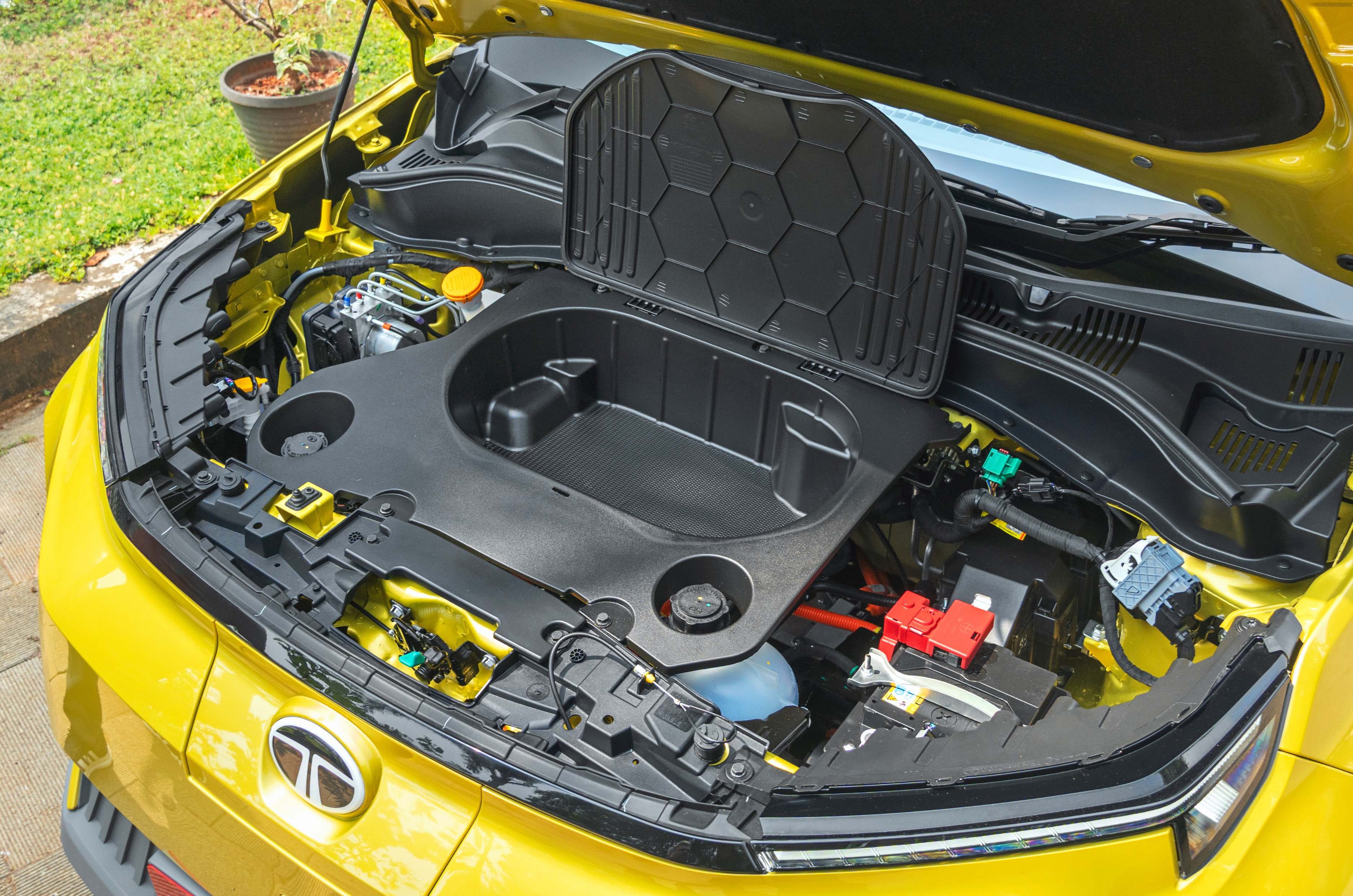
Further, the e-motor, reduction gear, inverter, DC-DC converter, PDU (power distribution unit) and even the on-board charger have been integrated into a neat 6-in-1 drive unit. Tata says this unit is 28 percent lighter and 50 percent smaller, and a quick peek under the bonnet confirms this, as there is now a large gap between the bottom of the frunk and the top of the drive unit – space that could have been better utilised by increasing the size of the frunk. This 6-in-1 unit is also said to be 6 percent more efficient while reducing the number of electrical connections, semiconductors and high-voltage cables by around 30 to 40 percent, lowering complexity and production costs.
Tata Punch EV facelift interior space and comfort – 7/10
Lighter plastics uplift the cabin; comfortably seats four, but rear space is limited.
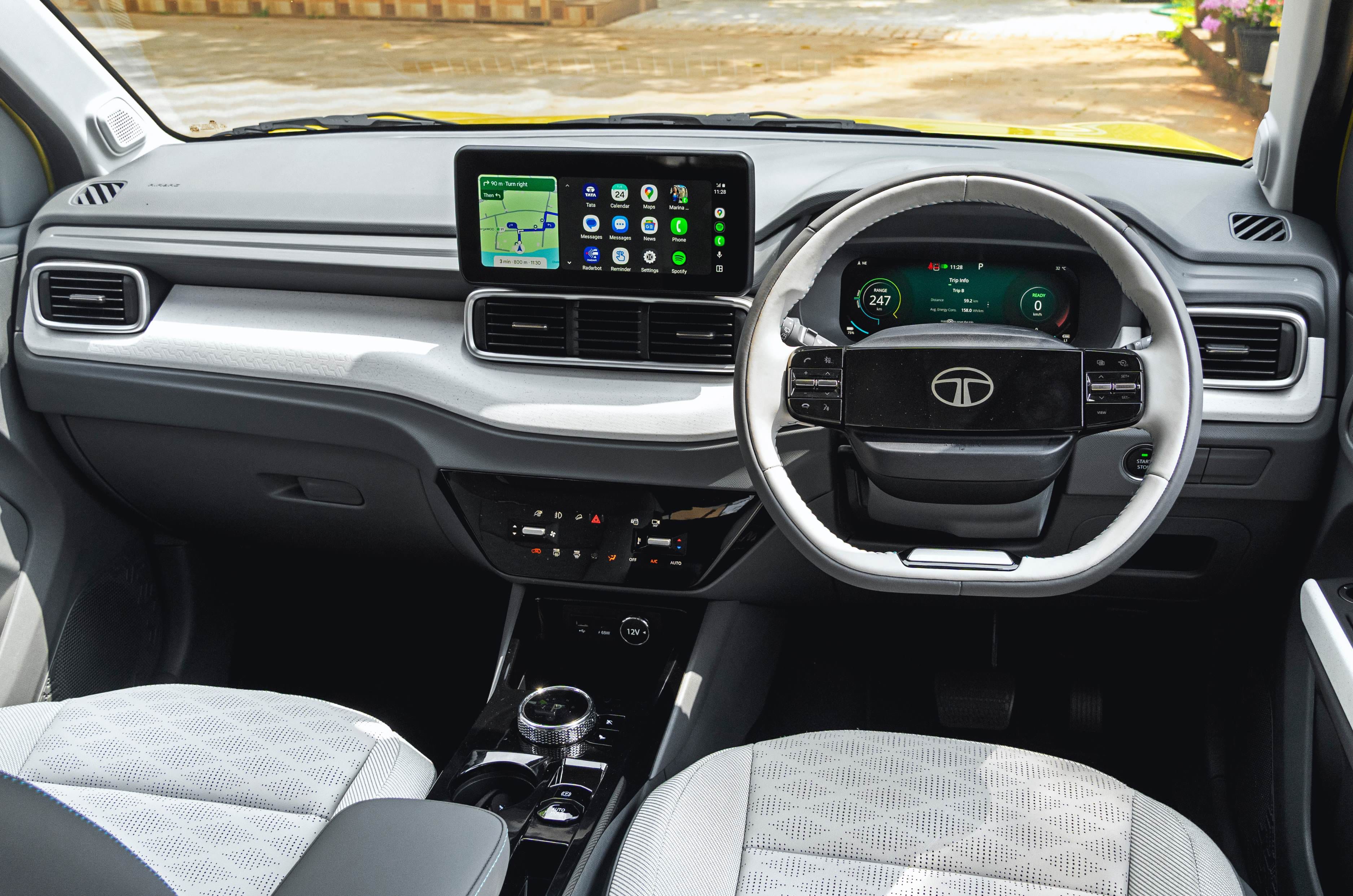
Getting in and out of the cabin remains supremely easy thanks to the wide 90-degree opening doors. Once inside, you’ll notice an airier ambience courtesy of lighter grey plastics on the dash and door cards replacing the earlier black. Breaking the monotony is a textured white trim piece that runs the width of the dash and continues onto the door armrests. This theme extends to the seats, trimmed in a mix of white and grey leatherette with fabric inserts on the front bolsters.
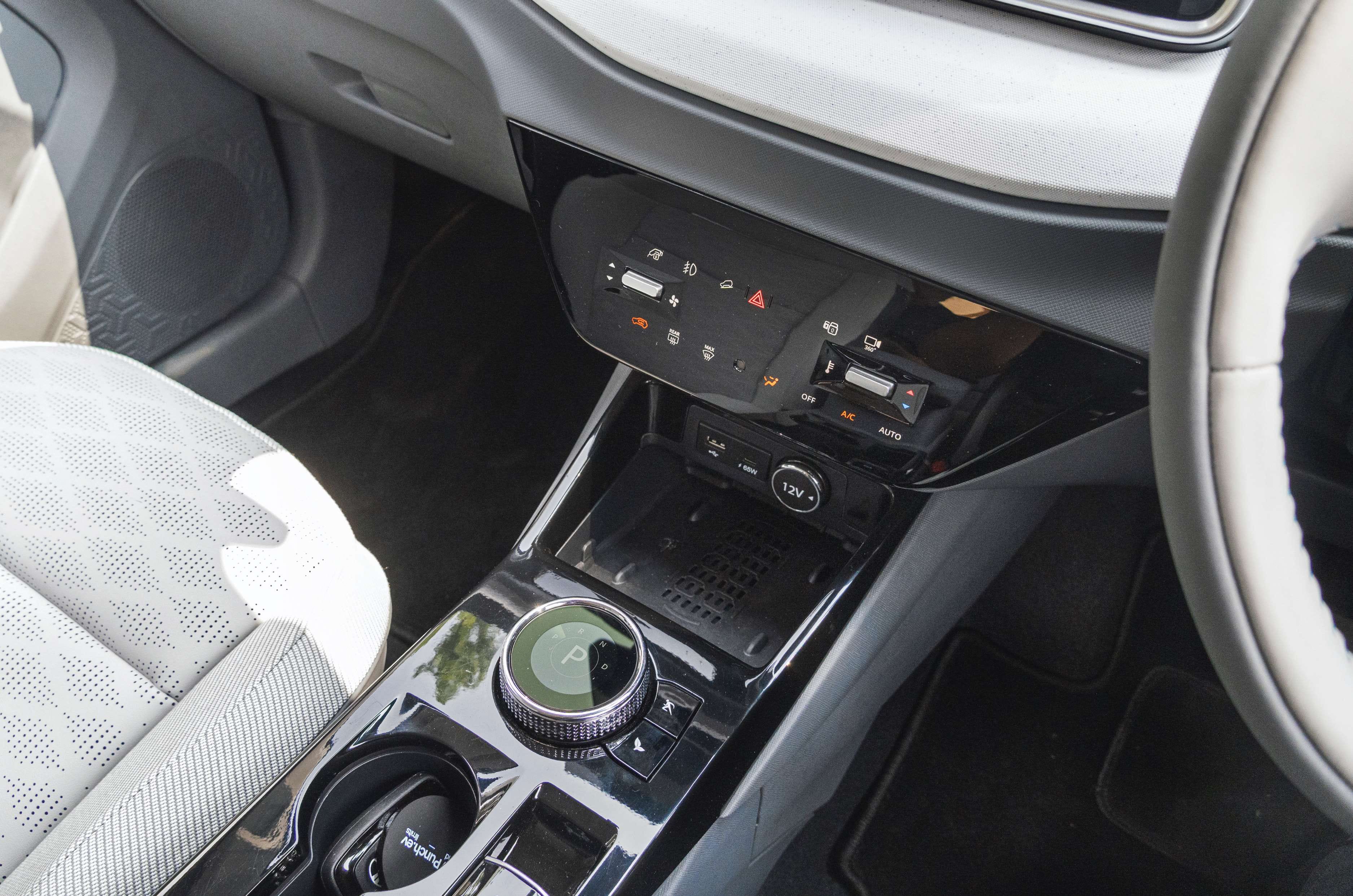
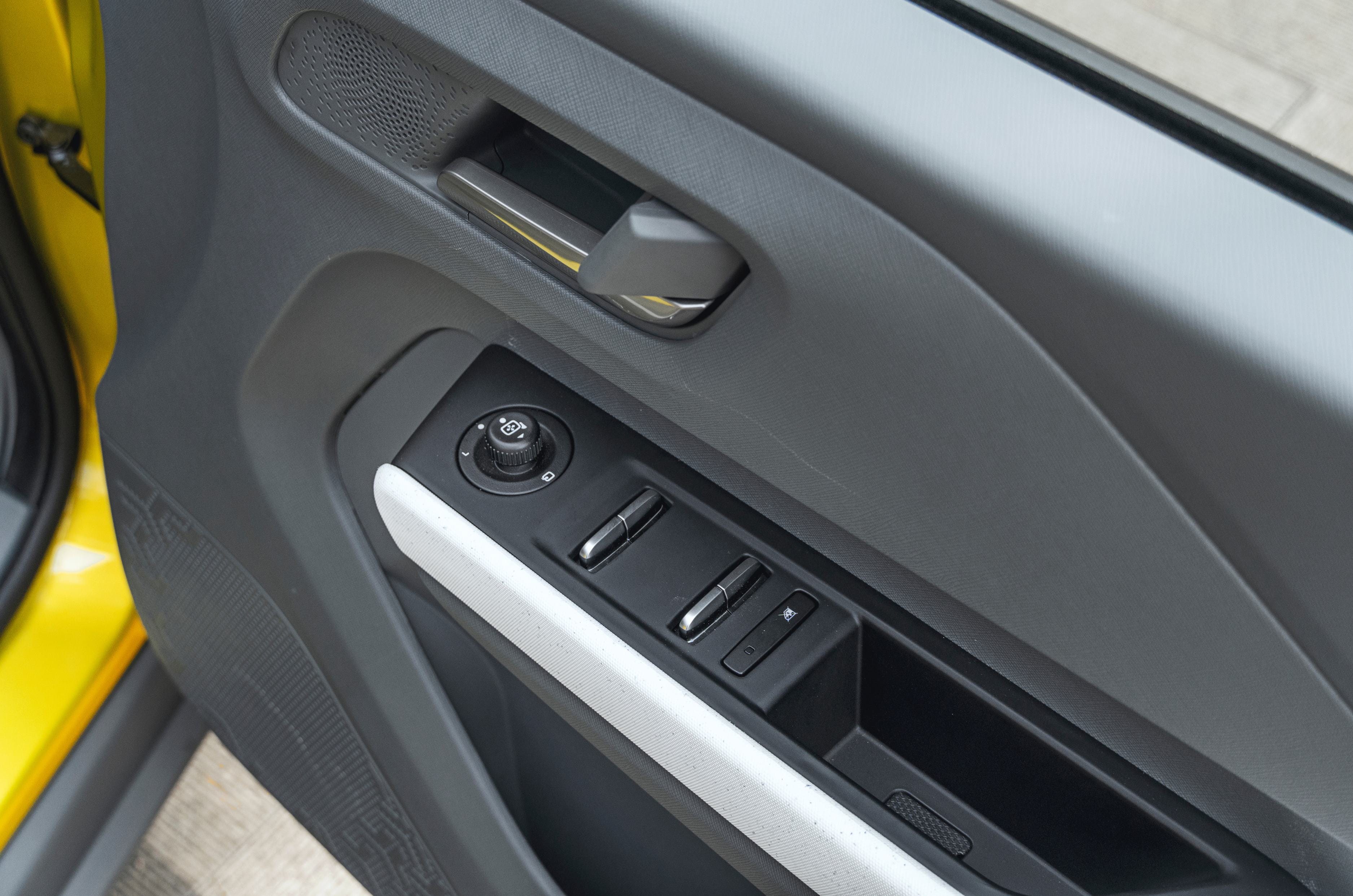
Control stalks from the Sierra have found their way here, while the window switches are now of the vertically oriented toggle type, which can feel a bit counterintuitive at first. The rest of the layout is unchanged, carrying over the two-spoke steering wheel and the climate control panel with its mix of toggles and touch surfaces that remain hard to use on the move.
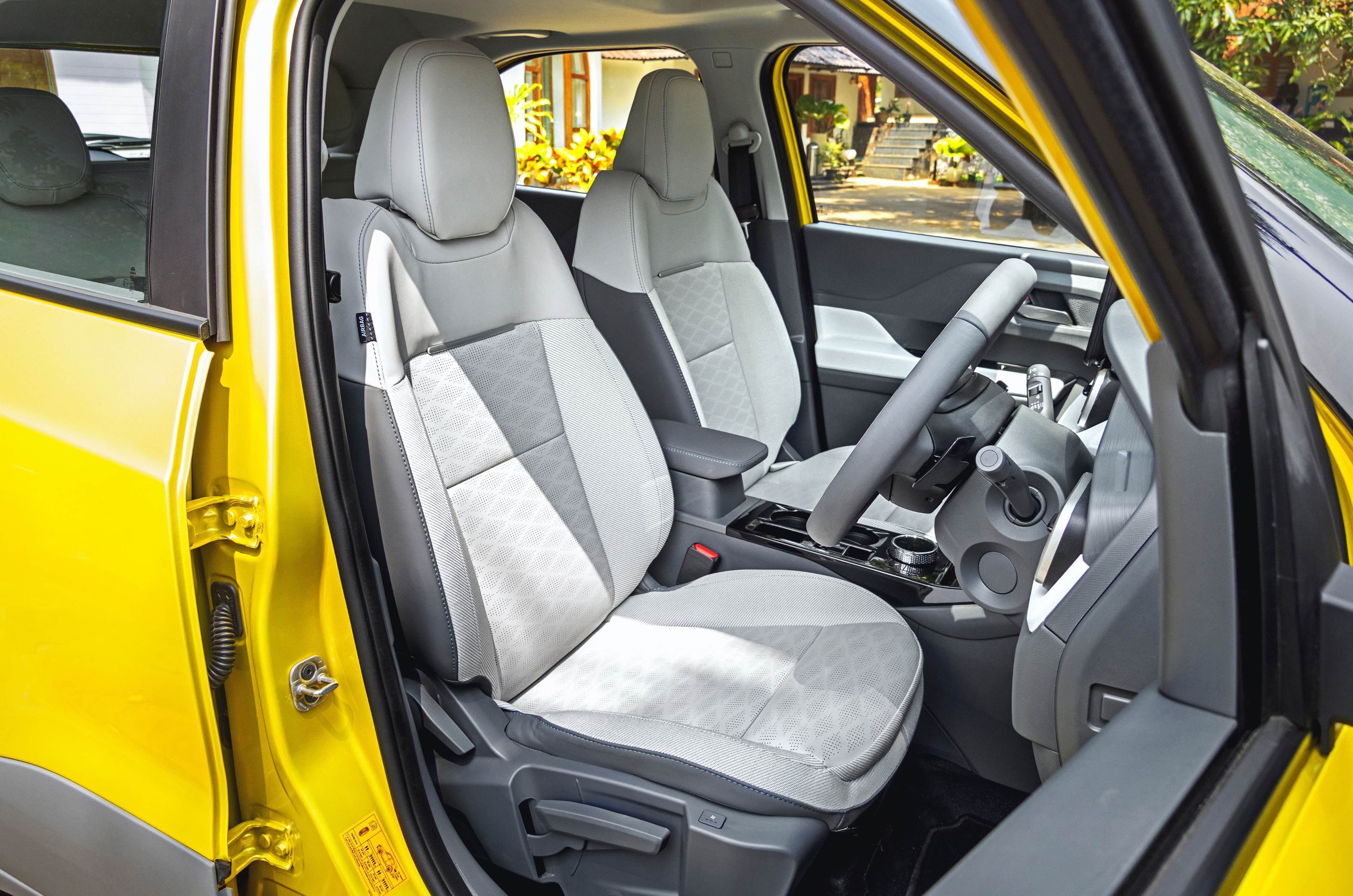
Comfort up front is very good, with the seats offering solid support all around, along with the added benefit of ventilation on the top trim. You sit up high with a good view out, though reach adjustment for the steering would have further improved the driving position. The centre console features an armrest with a small cubby beneath, cup holders and a wireless charging pad. One gripe here, however, is the rotary gear selector, which can sometimes be slow to respond. There’s more storage space in the door pockets, designed to hold two bottles – one large, one small – along with an umbrella. The cooled glove box is also a nice touch.
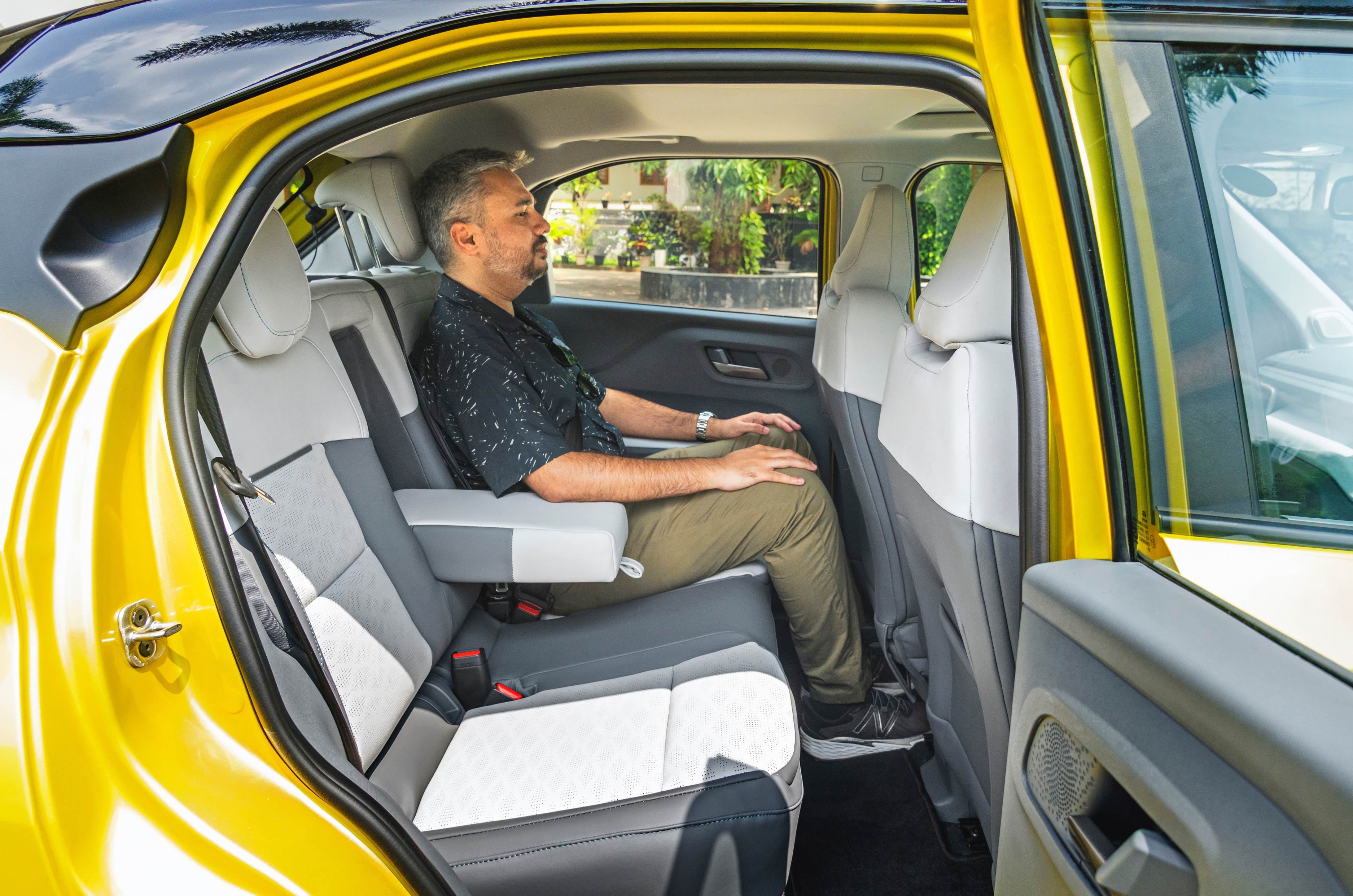
The rear seat has adequate legroom and headroom considering the car’s size, and the bench itself is quite comfortable. Cushioning is good, there’s decent thigh support, and you don’t sit knees-up like you might in some other EVs. The narrow width, though, means seating three abreast will require some level of intimacy. Curiously, rear AC vents, which the ICE Punch gets, remain absent here.
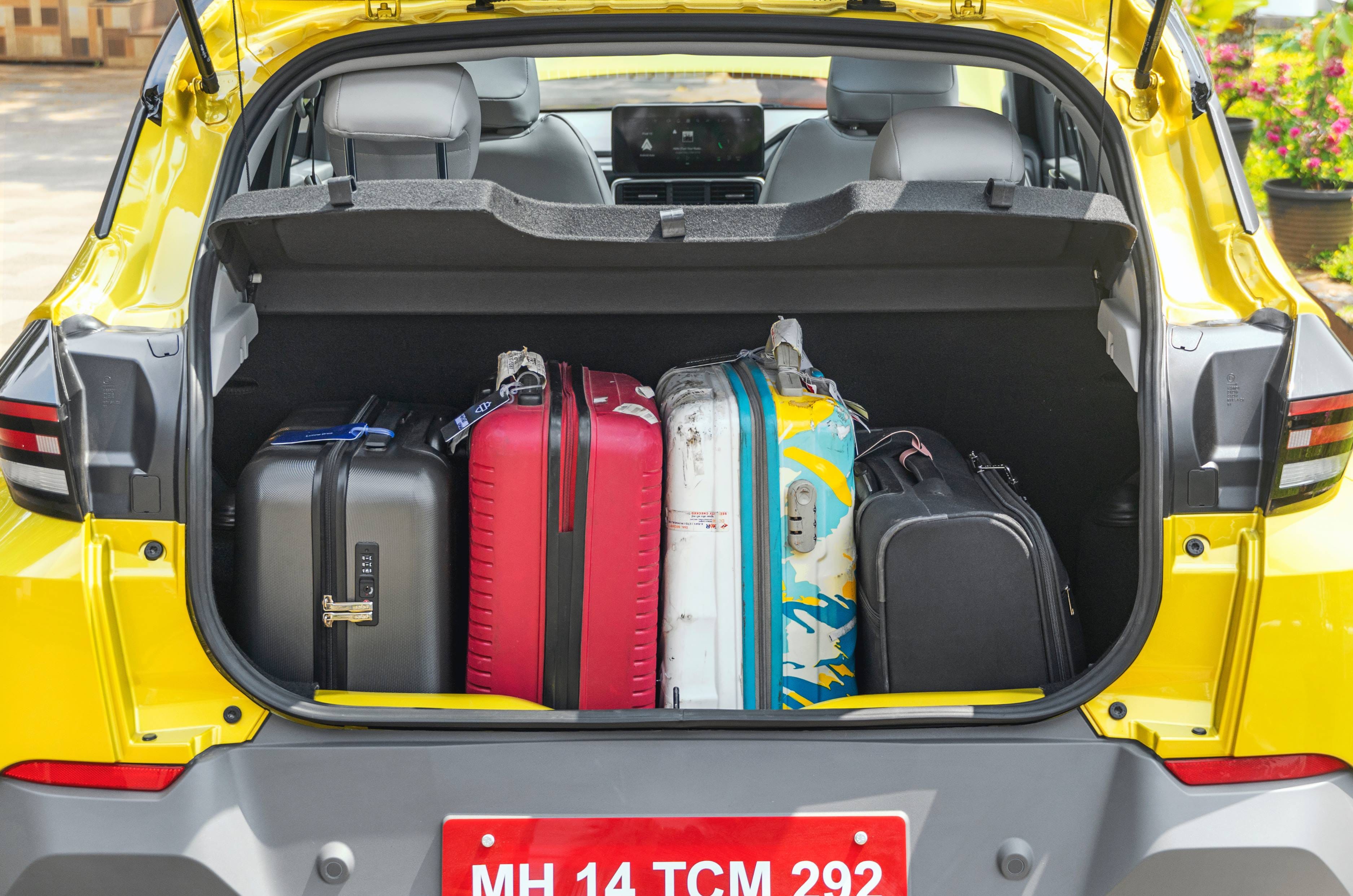
Another gripe is the continued lack of seatbelt sensors, which means the warning chime rings for a couple of minutes even when no one is seated unless you have the belts clicked in. While space in the back isn’t lavish, there’s a generous 366-litre boot that easily swallowed four check-in bags. A small frunk also features but its only large enough to hold the charging cables.
Tata Punch EV facelift features and safety – 9/10
Feature-packed as before, though ambient lighting has been deleted.
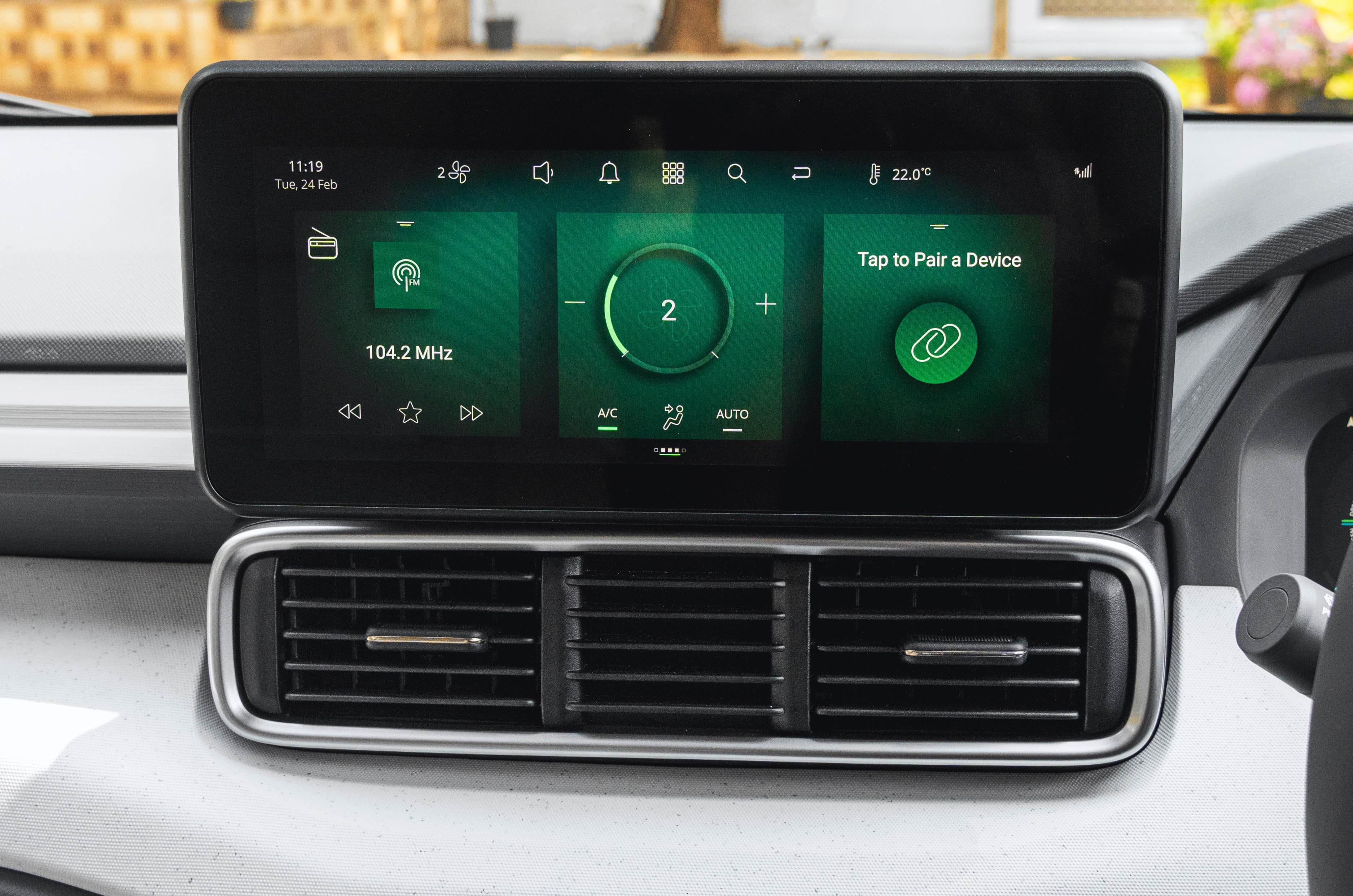
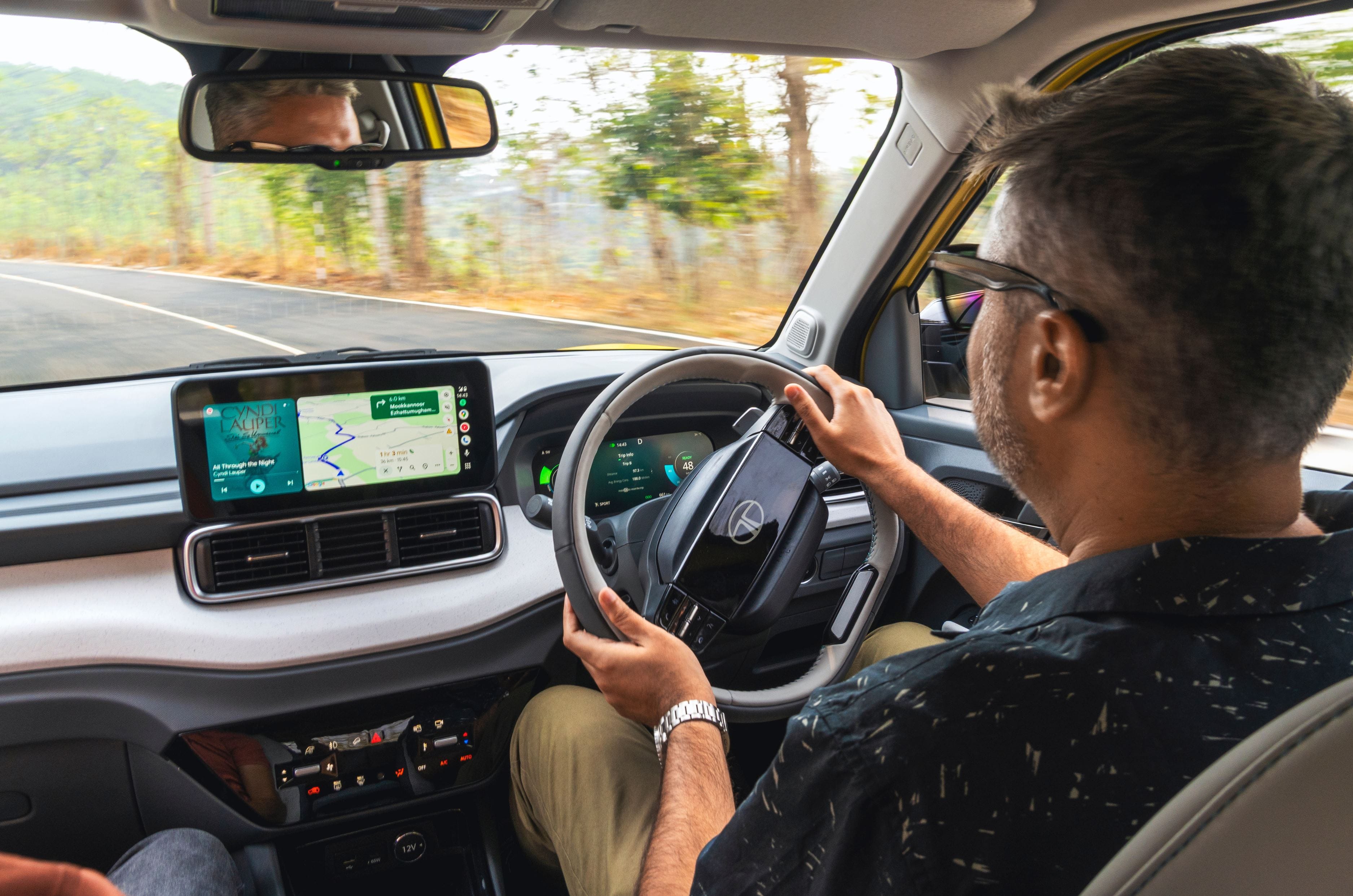
The Punch EV hasn’t gained any notable new features with the update, but it’s not like it was lacking. It remains a feature-rich vehicle, with highlights being a Harman 10.25-inch infotainment system with wireless phone connectivity, a sharp 360-degree view, a suite of built-in apps and multiple voice assistants. There’s also a customisable 10.25-inch driver’s display with the ability to project maps. However, some fonts are a touch too small to read on the move. Other features include an air purifier, an auto-dimming interior rearview mirror (IRVM), cruise control and a small sunroof. Ambient lighting is no longer being offered.
Safety is well taken care of with 6 airbags, ESP, ABS with EBD, hill-hold assist and ISOFIX mounts offered on the base Smart trim. A new addition is a high beam alert that triggers a pop-up warning on the driver’s display if the car is driven with the high beam on at under 40kph for more than a minute. The Smart+ adds an electronic parking brake with auto hold and a reverse parking camera. As before, a spare wheel and tyre are not included. Instead, it comes with a puncture repair kit, including an electric inflator.
At the time of writing, the Punch EV facelift hasn’t yet received a crash-test rating, but given that the pre-facelift version received 5 stars from Bharat NCAP, we expect the same for the new one.
Tata Punch EV facelift performance and refinement – 9/10
Strong, linear power delivery, but not quite neck-snapping despite the small bump in power.
Horsepower figures have seen a small bump of 7hp, now totalling 88hp with the smaller battery and 129hp with the larger one. Torque is now rated at 154Nm for both versions, which sits somewhere between the 114Nm and 190Nm figures of the earlier car. Any gains in outright performance, though, won’t be obvious unless you drive them back-to-back. Performance remains strong, picking up pace effortlessly from a standstill and delivering a healthy surge at higher speeds. Power delivery is linear, with no unexpected spikes, making it easy and rather enjoyable to hustle through traffic.
You get three drive modes – Eco, City and Sport – which all do exactly what they say on the tin. Refreshingly, Eco isn’t a limp-home mode but feels genuinely usable in the city, only revealing its performance deficit when you floor it. The default City mode works well in most situations, but Sport is the most enjoyable of the lot. While not exactly neck-snapping like some EVs – deliberately softened to extend range and preserve driveability – the instant torque is still more than enough to show some theoretically quicker ICE cars a clean pair of heels at the traffic lights. In our initial testing, we recorded a 0-100kph time of 9.1 seconds, which is about three-tenths quicker than the pre-facelift car.
As you’d expect from an EV, refinement is excellent, with next to no noticeable whine from the motor. The cabin is well-insulated, and apart from a hint of road noise at higher speeds, it remains fairly quiet.
Tata Punch EV facelift range and efficiency – 8/10
468km ARAI-rated range for the 40kWh battery; real-world range should more than suffice for intra-city running and the occasional highway jaunt.
Range has naturally benefited from the larger batteries and more efficient motor. Tata Motors now claims 375km (under certification) for the 30kWh unit and 468km for the 40kWh unit – both as per the MIDC cycle – up significantly from 315km and 421km earlier. Furthermore, Tata says this should translate to a real-world range of 260-275km for the smaller battery and 335-355km for the larger unit under its C75 rating – figures which, according to the carmaker, 75 percent of customers could expect, based on analysis of historic driving data from its past EV customers.
Our short drive didn’t allow us to verify these claims, but stay tuned for a full road test. For reference, our test of the previous 35kWh long-range Punch EV yielded a combined range of 229km, which we expect this facelift to improve upon.
Tata Punch EV facelift ride comfort and handling – 9/10
Superb ride quality with stable, confident handling; good braking performance despite the switch to rear drums.
No revisions have been made to the suspension, and none were needed. The Punch EV continues to ride with the maturity of a car from a couple of segments above. To counteract the weight of the battery pack, the springs are stiffer than in the ICE version. However, the EV’s greater torsional rigidity allows for the use of softer dampers, which work well with the springs to deliver a pliant ride. The nastiest potholes may occasionally filter through, but for the most part, you find yourself bracing for a thud that never comes. As speeds rise, the body stays flat, and high-speed stability is equally impressive.
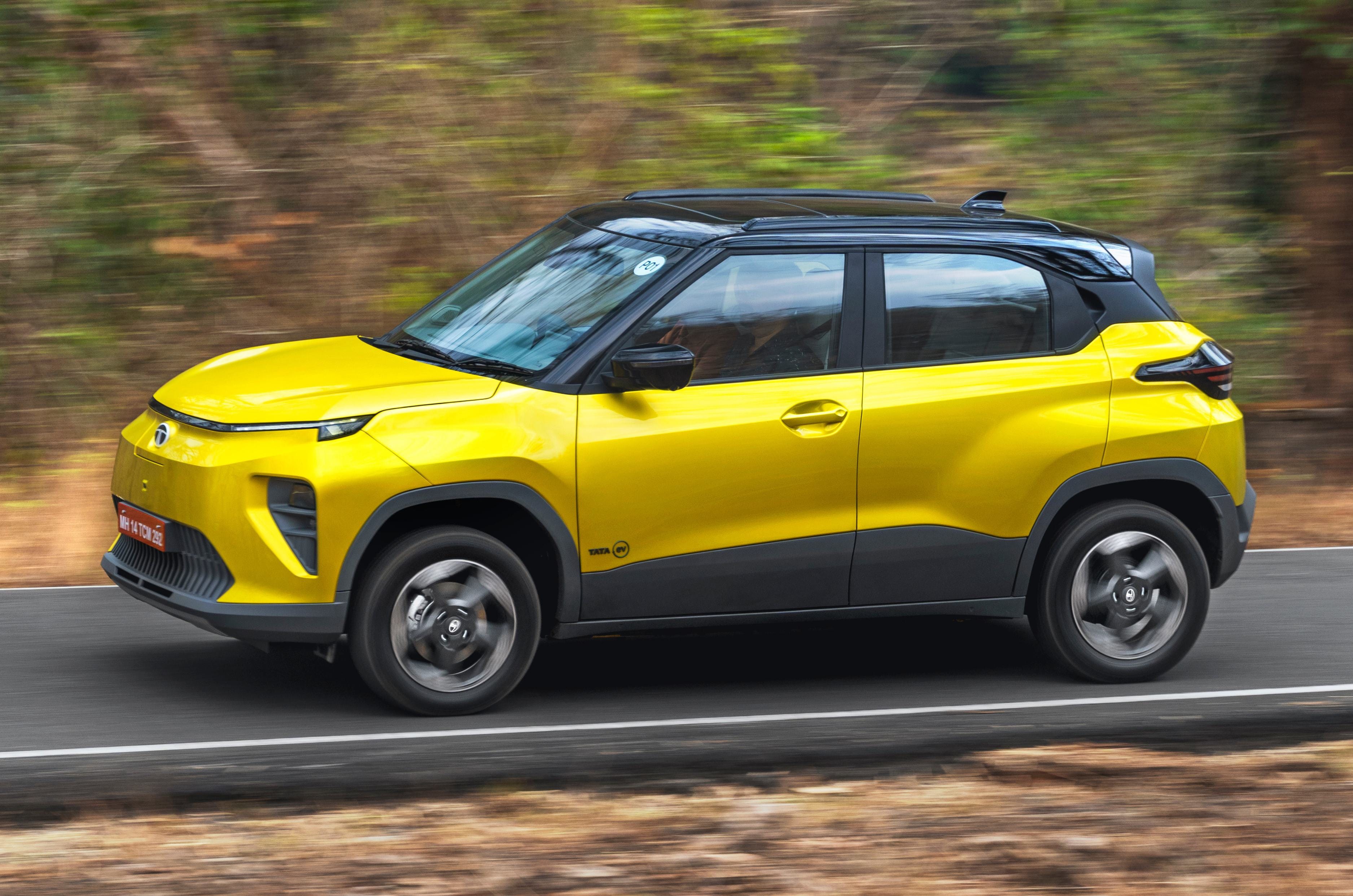
Push it through corners, and the Punch will roll a fair bit, but with the mass of the batteries down low, it feels confident and planted. The steering isn’t super light at low speeds but goes from medium to a well-weighted resistance as speeds rise. It isn’t the most communicative but is fairly direct, helping you place the car accurately. While it isn’t the most thrilling handler, it is enjoyable and easy to get into a nice rhythm with it on a smooth, flowing road.
Furthering this sensation is the regenerative braking, which lets you flow through twisties with minimal use of brakes. There are four levels to choose from – level 0 lets you coast freely, while level 3 has the strongest resistance but won’t bring the vehicle to a full stop – and switching between them is seamless using the paddles behind the wheel. Interestingly, while Tata Motors’ decision to downgrade from the previously available rear discs to drums would seem like a cost issue, it is also done for technical benefits.
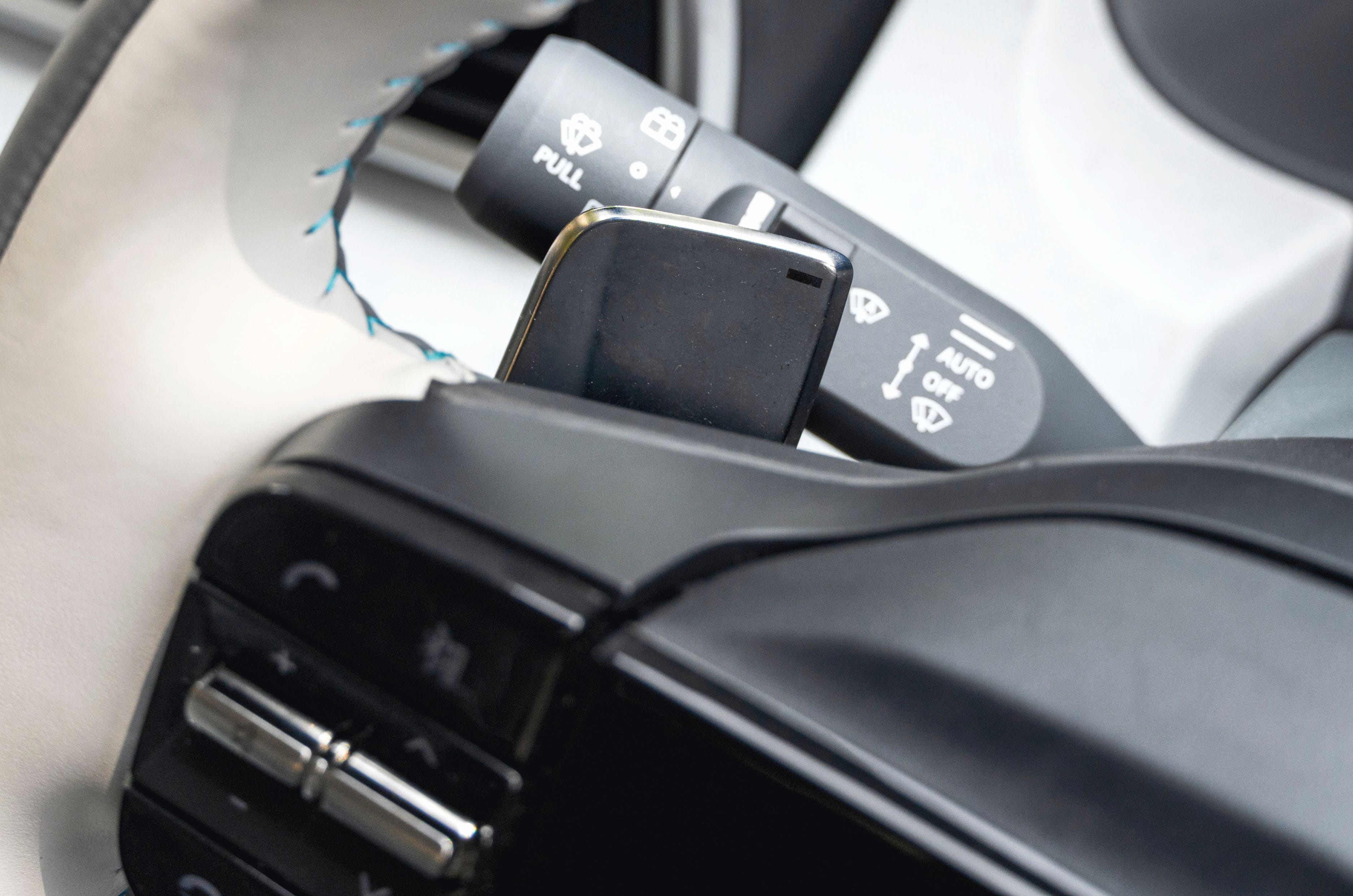
Thanks to motor brake regeneration, an EV’s rear friction brakes rarely come into play, so discs can bind or get noisy. Drum brakes, though, do not stick as easily, and that’s why some EVs prefer them at the rear. That said, step on the brakes, and the Punch still stops confidently, but we’ll wait for a full road test to see if stopping distances have increased.
Tata Punch EV facelift price and verdict – 9/10
Everything we like about the Punch EV, now up to Rs 1.85 lakh more affordable than before.
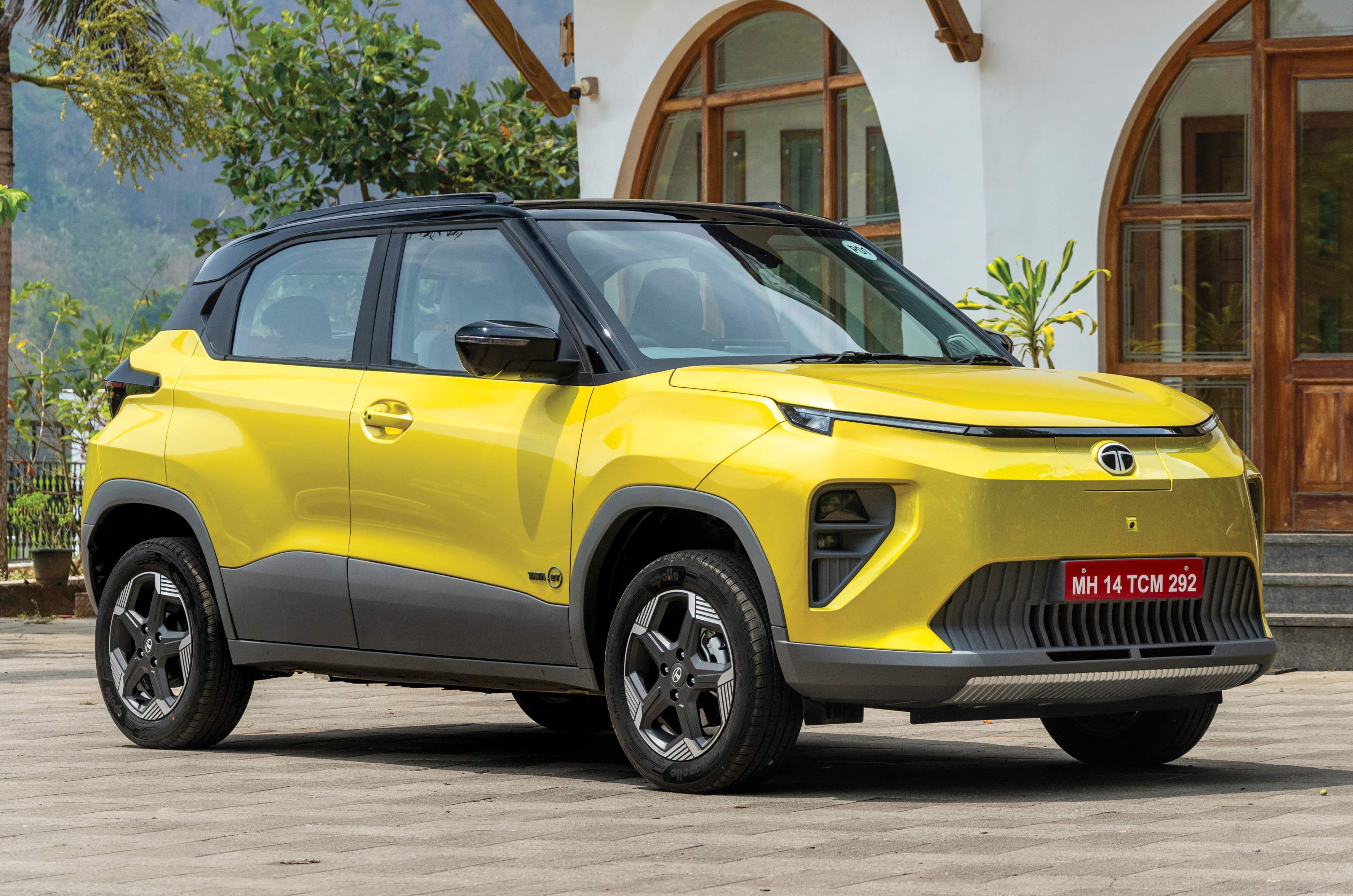
The updates to the Punch EV are clearly aimed at improving efficiency while also reducing manufacturing costs, and that is reflected in the new pricing. The range now starts at Rs 9.69 lakh and tops out at Rs 12.59 lakh – Rs 30,000 cheaper at the base and a whopping Rs 1.85 lakh less for the top trim. Lowering the barrier to entry further is the Battery-as-a-Service programme, which lets you buy the car for Rs 6.49 lakh and rent the battery for Rs 2.6 per kilometre. While there are some obvious cost-cutting measures, none detract from the experience enough for us to call it anything but excellent value for money.
As an urban runabout for an individual or even a young family, there really isn’t any significant competition. It’s got the performance to make quick progress through traffic, sufficient range for the occasional road trip and plenty of tech to keep most entertained. Those who regularly use the rear seat would be better off in a Nexon EV, but for everyone else, the Punch EV is an absolute winner.
All prices are ex-showroom, India.