
 The growth was led by Tata Motors, JSW MG Motor India, Mahindra & Mahindra and Hyundai India, supported by new model launches and rising acceptance of electric vehicles.
India’s passenger electric vehicle (EV) retail sales surged 77.04 per cent year-on-year in 2025, driven by strong demand for high-volume mass-market models and the launch of new electric SUVs, data collated and released by the Federation of Automobile Dealers Associations (FADA) showed.
Total passenger EV retail volumes stood at 176,817 units in 2025, compared with 99,875 units in 2024. EV penetration in the passenger vehicle segment increased to 4.0 per cent in 2025 from 2.4 per cent a year earlier.
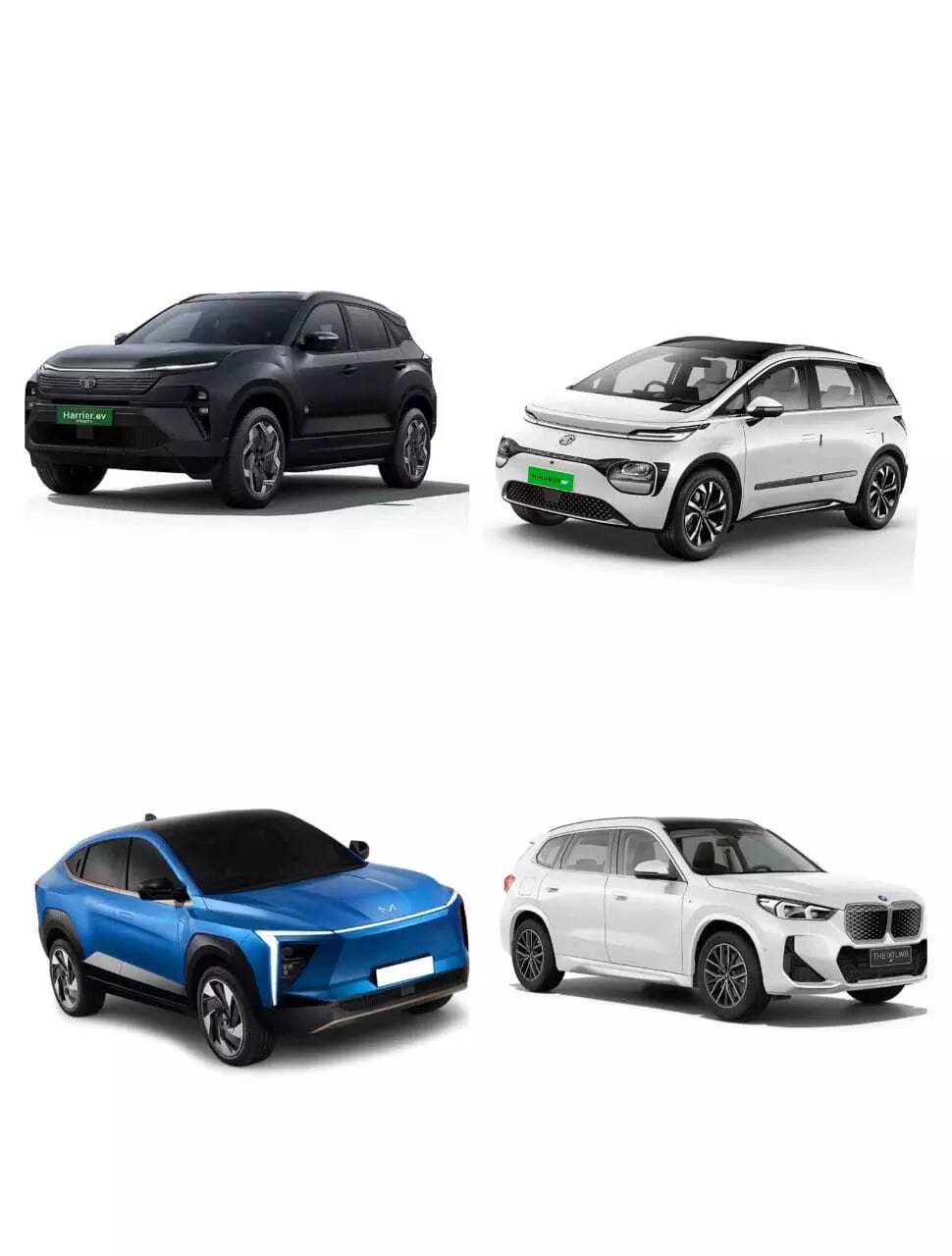
According to FADA, Tata Motors’ EV arm Tata Passenger Electric Mobility (TPEM) retained its leadership position, supported primarily by sustained demand for the Nexon EV, Punch EV and Tiago EV, while the Harrier EV launched last year also went off to a flying start. The carmaker retailed 70,004 electric vehicles during the year, registering a growth of 13.28 per cent over the previous year.
JSW MG Motor India emerged as the second-largest passenger EV manufacturer, with retail volumes more than doubling to 51,387 units. The growth was led by the MG Windsor EV which surpassed the 50,000-unit sales marketing last year, MG Comet EV and the ZS EV – with the latter seeing strong traction in both private and fleet segments.
Mahindra & Mahindra reported one of the sharpest increases in EV volumes, with retail sales rising nearly five-fold to 33,513 units with the launch of its two electric-origin offerings – the Mahindra XEV 9e and BE6 – both cumulatively hitting the 30,000 sales mark within seven months of going on sale in March 2025. Towards the end of last year, M&M also introduced the seven-seater XEV 9S, which will see customer deliveries beginning in the third week of January.
“This transition is being powered by improving product choices and total cost of ownership benefits, and it underlines the need for a coordinated push on charging infrastructure, policy continuity, and faster, more inclusive retail financing so that EV adoption becomes even more mainstream and pan-India,” said FADA President CS Vigneshwar.
| PV OEM | CY’25 | CY’24 | YoY% |
| TATA MOTORS PASSENGER VEHICLES LTD | 70,004 | 61,799 | 13.28% |
| JSW MG MOTOR INDIA PVT LTD | 51,387 | 21,814 | 135.57% |
| MAHINDRA & MAHINDRA LIMITED | 33,513 | 7,139 | 369.44% |
| HYUNDAI MOTOR INDIA LTD | 6,726 | 914 | 635.89% |
| BYD INDIA PRIVATE LIMITED | 5,402 | 2,869 | 88.29% |
| BMW INDIA PVT LTD | 3,195 | 1,227 | 160.39% |
| KIA INDIA PRIVATE LIMITED | 2,730 | 415 | 557.83% |
| MERCEDES -BENZ AG | 1,168 | 954 | 22.43% |
| STELLANTIS AUTOMOBILES INDIA PVT LTD | 871 | 1,925 | -54.75% |
| VINFAST AUTO INDIA PVT LTD | 826 | – | 0.00% |
| VOLVO AUTO INDIA PVT LTD | 389 | 450 | -13.56% |
| TESLA INDIA MOTORS AND ENERGY PVT LTD | 225 | – | 0.00% |
| Others | 381 | 369 | 3.25% |
| Total | 1,76,817 | 99,875 | 77.04% |
(Source-FADA)
Global players tighten grip
Korean carmaker Hyundai Motor India recorded retail sales of 6,726 EVs in 2025, a jump of 635.89 per cent year-on-year, aided by the launch of the Hyundai Creta electric. Kia india too registered robust growth to 2,730 units, up from 415 units a year ago, on the back of strong demand for the Carens Clavis EV launched last year.
On the other hand, BYD India reported total retail volumes of 5,402 units, led by the Atto 3, and eMax 7 MPV, as well as the performance-oriented Seal and Sealion – pushing the company to register an 88.29 per cent YoY growth.
In the luxury segment, BMW India retailed 3,195 EVs during last year, a robust 160 per cent YoY growth driven by models such as the iX1 Long Wheelbase at the entry-level as well as the i7 all-electric sedan at the top end. Mercedes-Benz, in comparison, registered a nominal 22 per cent YoY growth to 1,168 units, supported by models like the EQS, EQE and EQB.
Volvo Auto India, however, saw retail volumes decline to 389 units, despite the company introducing the entry-level EX30 SUV.
According to FADA, the 2025 retail data was collated on January 3, 2026, covering 1,401 out of 1,459 RTOs across the country, and not including figures from Telangana.