
 CAFE 3 norms, aimed at reducing fuel consumption and vehicular emissions, are set to come into effect from April 2027.
India should incentivise the adoption of light-weight, fuel efficient, smaller entry-level cars under Corporate Average Fuel Efficiency (CAFE) as is increasingly the case in leading global markets, while also account for life cycle emission benefits of sustainable biofuels, NITI Aayog said in its report on “Scenarios Towards Vikshit Bharat and Net Zero” for the transport sector.
While the pathway modelled in the study for attaining net zero emission implicitly assumes a sharp increase in the market share of zero emission vehicles (ZEVs)— reaching 100 per cent ZEV sales by around 2055 to allow fleet level emissions to taper to zero by 2070, CAFE norms should incentivise small cars, Niti Aayog said in the report which has been led by an inter-ministerial panel.
“Further, CAFE should incentivise the adoption of light weight, fuel‑efficient, smaller entry‑level cars as is increasingly the case in leading global markets, while also accounting for the lifecycle emissions benefits and carbon sequestration potential associated with sustainable biofuels”, the report said.
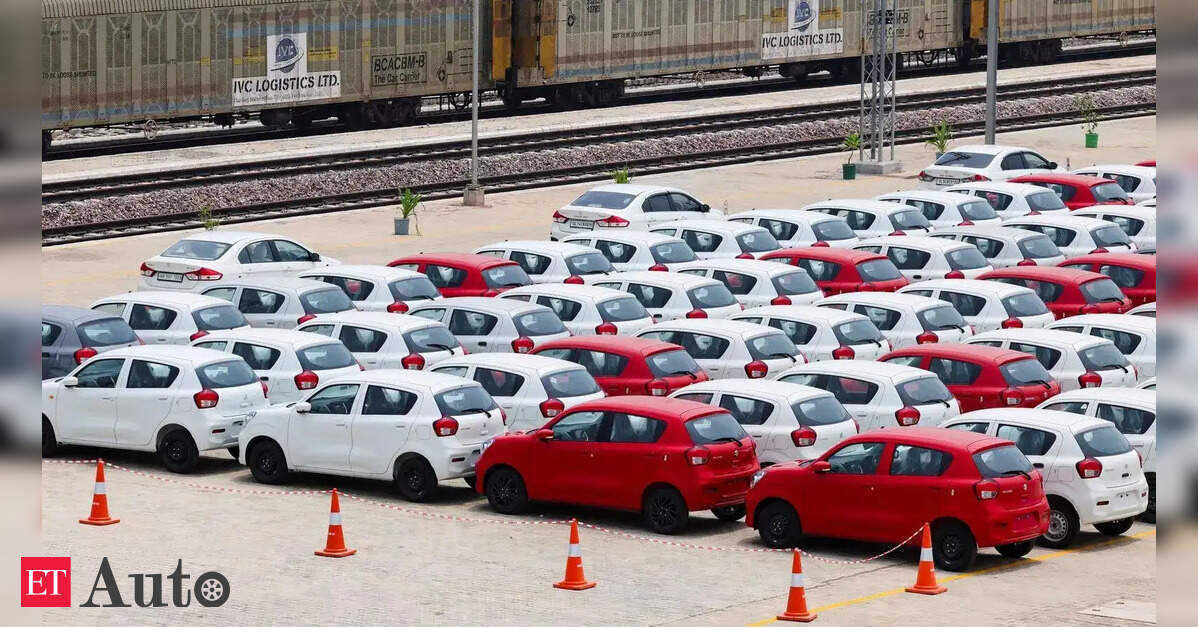
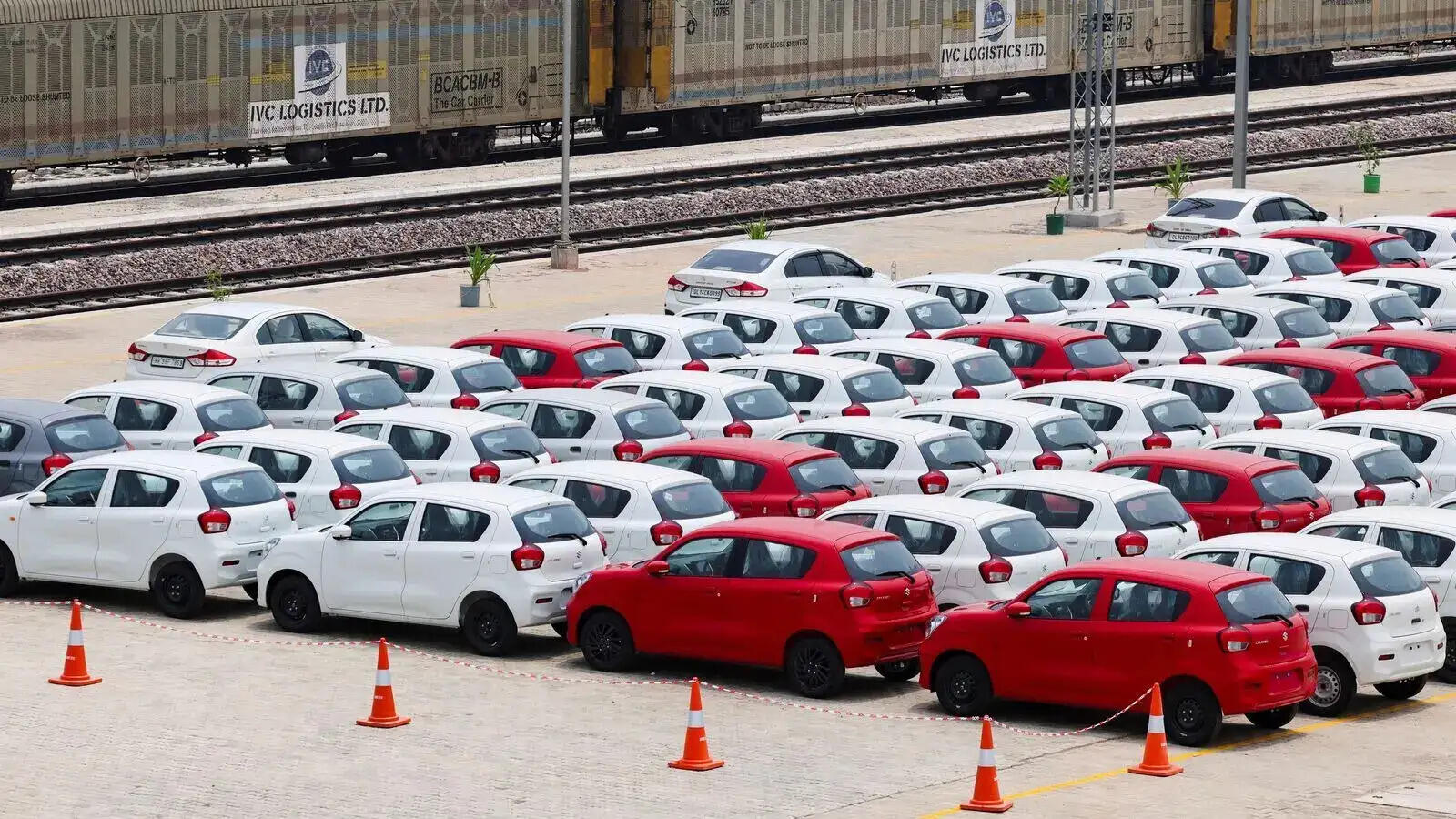
The report said with India’s low car ownership of around 33 cars per 1,000 people, cars are still an aspirational commodity for most households. “Bridging affordability barriers for marginal segments is therefore critical, particularly as first-time buyers look to upgrade from two-wheelers”, the report said, adding, “The opportunity lies in deliberately prompting smaller, affordable cars for these first-time buyers, which can provide significant co-benefits in terms of higher fuel efficiency, lower emissions, and reduced pressure on traffic and parking.”
The think-tank, however, said in the report that the country must adopt a time-bound plan to “sunset” the relaxations. “To ensure that CAFE norms remain credible and future-ready, India must adopt a time-bound plan to sunset the relaxation’s and shift toward true lifecycle-zero vehicles. Doing so will not only align with the modelled Net Zero pathway but also prepare the domestic auto industry for global low emission export standards”, the report said.
The development comes even as differences have emerged between leading carmakers like Maruti Suzuki and Tata Motors in the local market on the proposed weight-based concessions for small cars in in the third iteration of CAFE norms which are set to come into force next year.
The Niti Aayog study – which maps out the net zero roadmap for 11 sectors including power, transport, industry, and critical mineral assessment on demand and supply – CAFE norms represent a critical regulatory tool for reducing fuel consumption and tailpipe CO₂ emissions in the passenger vehicle segment.
India’s framework includes super-credits (e.g., counting each EV as multiple vehicles for compliance), and derogation factors for off-cycle technologies like start-stop systems, regenerative braking, and efficient transmissions, at present. The report held, “these should be progressively phased out to maintain the integrity of actual emission reductions.”
CAFE 3 norms, aimed at reducing fuel consumption and vehicular emissions, are set to come into effect from April 2027. A car’s CO2 emissions are directly proportional to the amount of fuel it consumes. The BEE issued draft norms for CAFE 3, which has left divided carmakers in the local industry. While market leader Maruti Suzuki has argued that emission norms should be relaxed for small cars which are more fuel-efficient compared to larger vehicles, and are important for increasing motorisation level among entry-consumers, others like Tata Motors has held there is “absolutely no justification” for giving concessions to any category of cars in the upcoming norms.
As per the draft rules issued by BEE for CAFÉ 3, cars shorter than four metres, weighing less than 909 kg, and powered by sub-1200 cc engines will get a 3 gram advantage while calculating carbon dioxide (CO₂) emissions.
Interestingly, the The country’s leading commercial vehicle manufacturers have urged the government to exempt small commercial vehicles (with maximum mass not exceeding 3.5T) from CAFE(Corporate Average Fuel Efficiency) norms citing affordability issues, much like the reasons being cited for easing of emission norms for small cars under CAFE 3.
Small cars don’t have a separate standard under the existing CAFE 2 norms that are in force through March 2027. As per the existing rules, the average emissions of all passenger vehicles weighing less than 3,500 kg including CNG, hybrids and electric vehicles sold by each manufacturer should not be more than 113 grams of carbon dioxide per kilometre. This means that some models can have higher emissions if the manufacturer has fuel-efficient vehicles in its portfolio.