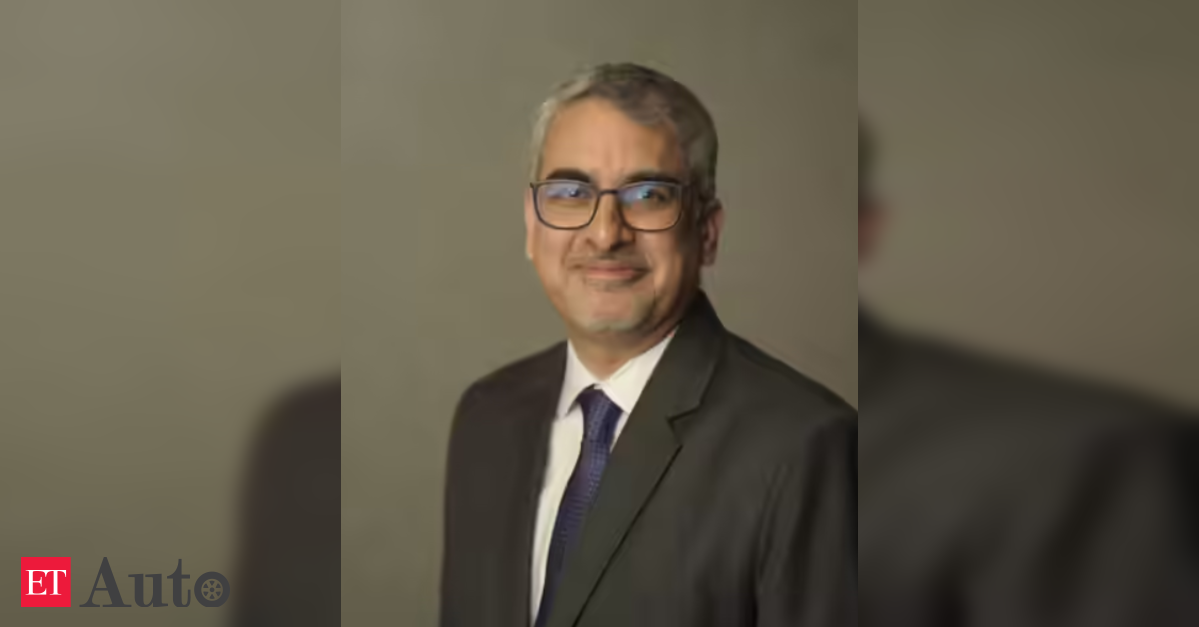

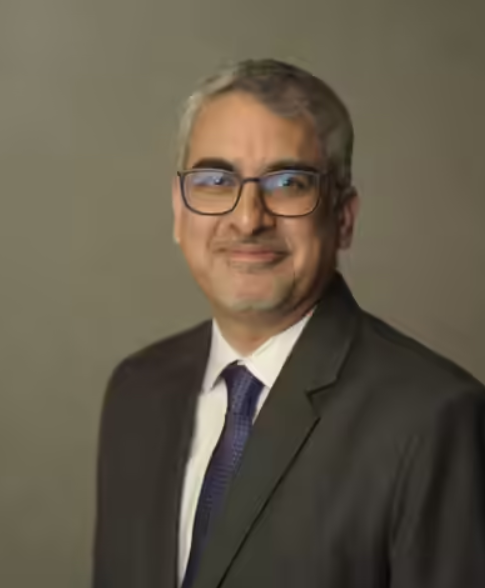
 “We are aiming for high double-digit levels of localisation, typical of what one would find in ICE cars, barring the cells,” Anurag Mehrotra, MD, JSW MG Motor India.
JSW MG Motor India is aiming for high double-digit localisation levels with its best-selling model, the MG Windsor, which was launched in September 2024. With 46,735 units sold in 2025, MG Windsor emerged as India’s No. 1 passenger EV. The car which took only 13 months to surpass the 50,000-unit sales milestone has redefined electric mobility in India with its strong value proposition.
In this interview, Anurag Mehrotra, MD, JSW MG Motor India, says with almost 80 per cent contribution to volumes, the company will continue to pin new energy vehicles (NEVs) at the centre of its future product and business roadmap in the country, and will infuse capex towards new product introductions, capacity expansion and localisation in the near future.
Edited excerpts:
What is JSW MG Motor’s powertrain roadmap for India? Are you going to focus more on NEVs?
That is right. So, in March 2024, when we set up the joint venture between JSW and SAIC, we clearly articulated our vision. The vision was to be a leading automotive brand in the NEV space. While this does not mean that we will not have cars that are not ICE, it is just that the centre of gravity of our portfolio would be towards NEVs – EVs, hybrids, and plug-in hybrids.
Within ICE, the product we recently unveiled–the Majestor–clearly demonstrates the opportunity that exists in the market. If there is an opportunity that can be served profitably, we would absolutely look to bring a product in the ICE space as well.
In terms of volume contribution, where do ICE and NEVs stand in your portfolio today?
Today, more than 80 per cent of our sales (in CY25) come from NEVs, which currently largely comprise EVs. And we believe that over 75 per cent of our volume even in the next few years will continue to come from NEVs.
We will be launching 3-4 products in CY26, and they will essentially come from EVs and plug-in hybrid electric vehicles (PHEVs). So, as the volume grows–and of course, the ICE volume will also grow– NEVs will continue to remain the centre of gravity of our portfolio.
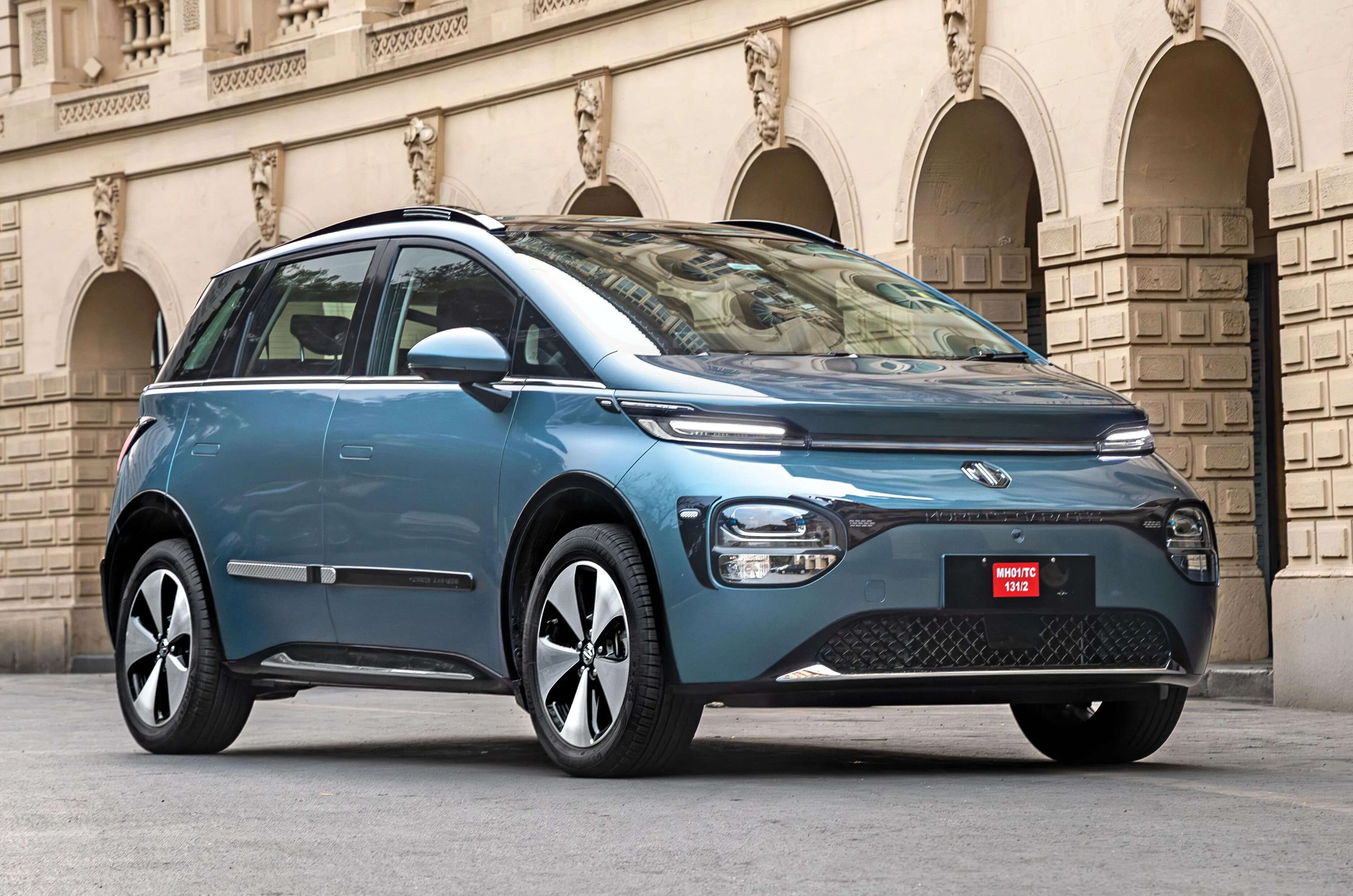 The MG Windsor has earned the title of India’s No. 1 passenger EV with retail volumes of 46,735 units in 2025 alone. Launched in September 2024, the car took less than 400 days to surpass the 50,000-unit sales milestone.
Within NEVs, the MG Windsor is your biggest contributor. What is the localisation roadmap for the model?
Windsor was the No. 1 selling EV in the country in 2025, and it was also the fastest EV model to reach 50,000 units in sales. So, the customers have really responded very kindly to Windsor wherein it has delivered great unit economics for our customers. Localisation is key for us to grow profitably and, therefore, we are spending a lot of our energies towards increasing the localisation levels for all our cars.
We have tripled Windsor’s localisation in the last few months, spending a disproportionate amount of capex on this effort. We are aiming for high double-digit levels of localisation, typical of what one would find in ICE cars, barring the battery cells.
What role does the premium MG Select channel play in the company’s gameplan?
I think, MG Select has been a revelation for all of us. It has beaten all our expectations. As you can recall, MG Select was set up as a completely different distribution channel for serving premium or luxury car owners, and we launched it with two products – the M9 luxury MPV and the Cyberster roadster. I am happy to report that in a very short period, in the last five months, we have already emerged as the No. 2 player in the luxury EV market in India.
What is your capex outlay for the mid-term future and where will the money be allocated?
We believe that in the next few years, we should need anywhere in the range of ₹3,000 to ₹4,000 crore. This will be earmarked towards three categories of spends: the first is on product, the second is plant expansion, and the third is on localisation.
While I have spoken about the product and localisation roadmaps, the current capacity at our plant in Halol is about 120,000 units. Given the anticipated sales volumes, we will soon need to expand the Halol facility (to more than double its current capacity). We are currently evaluating this by conducting a study.
Where do you see EV penetration headed in India in the next 2-3 years?
I think, in the next couple of years, EV penetration in India should reach about 7-8 percent. The broader outlook is that NEVs—including EVs and hybrids—will account for about 30 per cent of the overall passenger vehicle market by 2030.