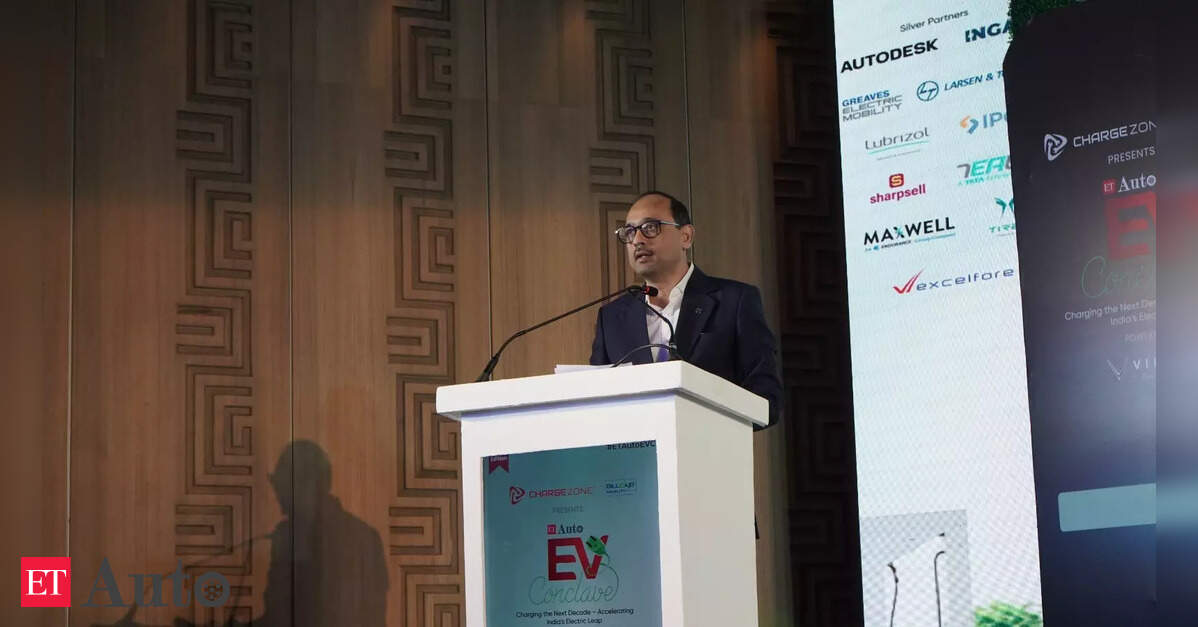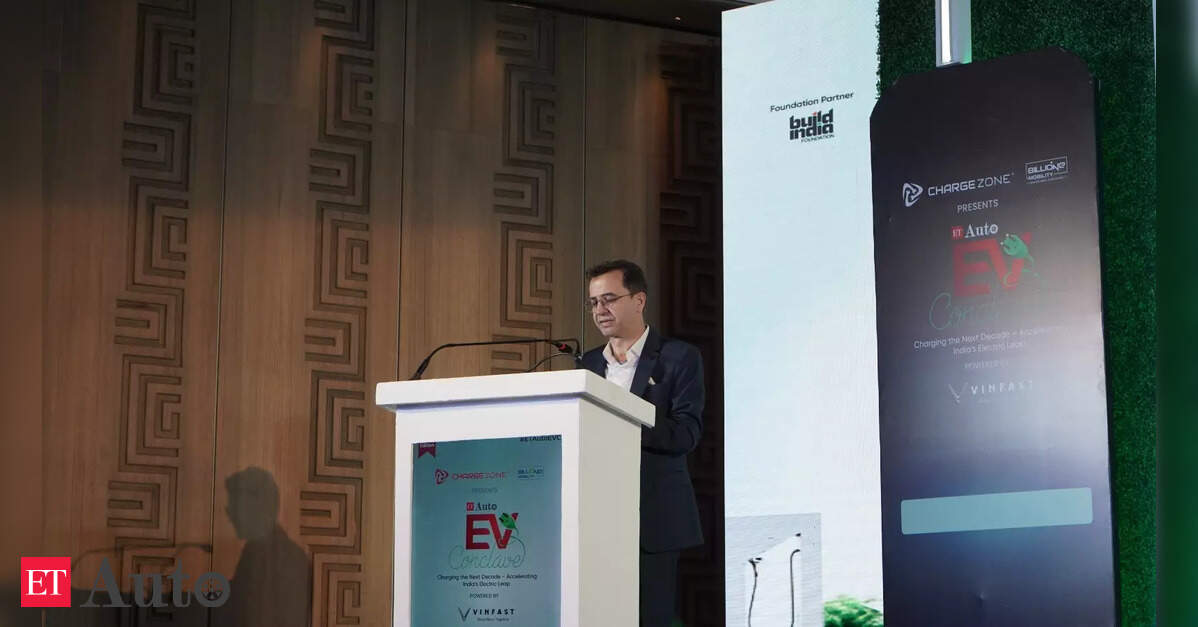

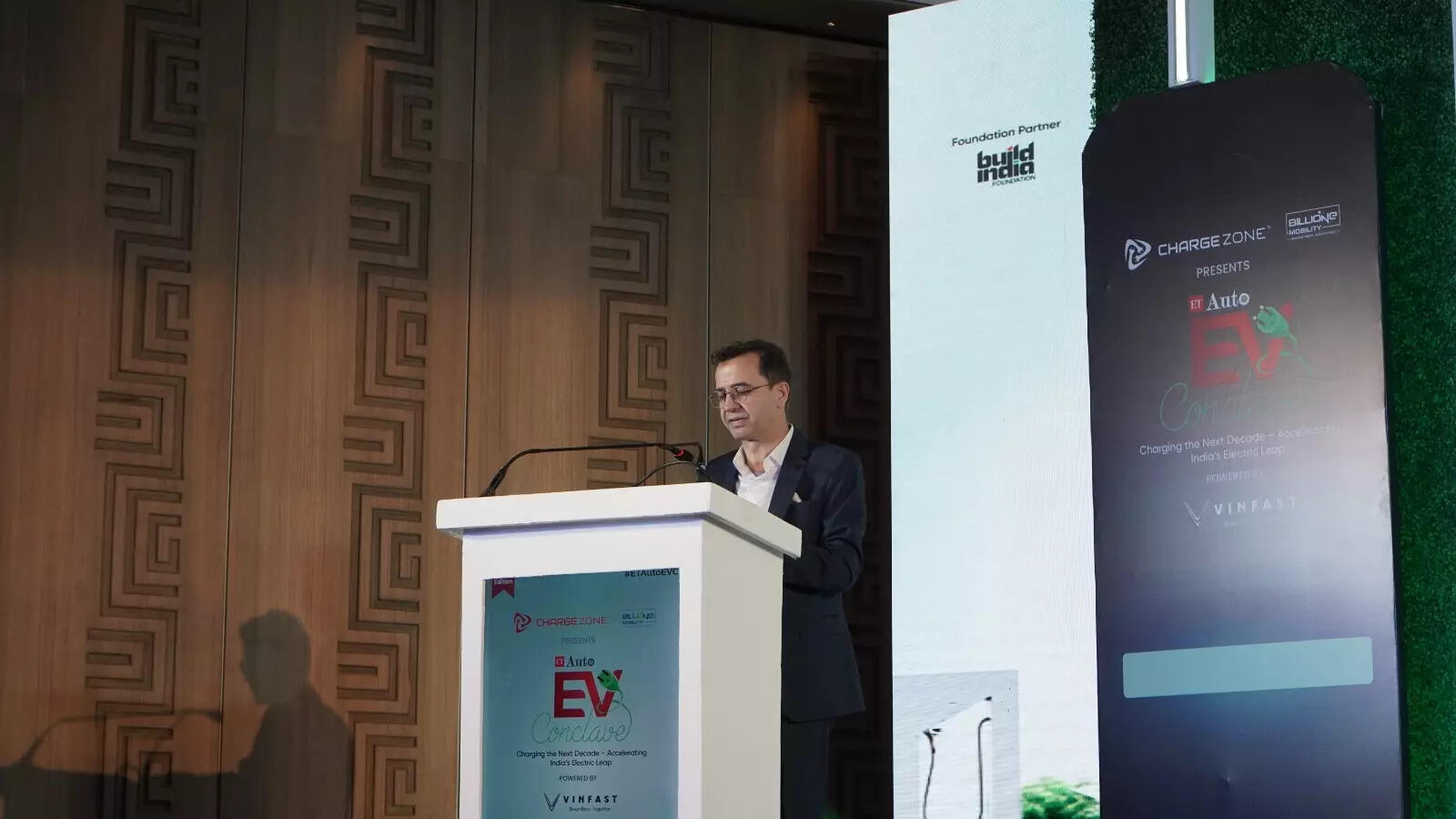
 Stéphane Deblaise, CEO, Renault Group India
India’s mobility transformation must be rooted in pragmatism, technological diversity and alignment with the country’s energy realities, said Stéphane Deblaise, CEO, Renault Group India, outlining a comprehensive New Energy Vehicle (NEV) roadmap for the coming decade. “Cleaner mobility is not just a choice; it is a necessity,” he said during the ETAuto EV Conclave 2025.
Multi-fuel approach in PV market
Deblaise pointed to strong momentum in India’s passenger-vehicle market, where EVs now account for close to 4 per cent of sales up significantly from just a few years ago. Hybrids, too, are gaining traction and could reach an estimated 1.7 million units by 2030. “India is not chasing one single solution; it is building a mosaic of technologies,” he emphasised, adding that EVs, hybrids, CNG and flex-fuel vehicles together are driving meaningful reductions in CO₂ emissions.
Drawing lessons from global markets
Japan, China and Europe have demonstrated the value of hybrids as a bridge technology. In Japan, hybrids today constitute more than 60 per cent of new car sales, while China’s NEV boom includes strong uptake of plug-in hybrids. Even in Europe home to the world’s most aggressive EV mandates hybrids are currently outpacing BEVs in consumer demand. “Consumers everywhere are pragmatic. They want solutions that fit their lives today, not just promises for tomorrow,” he said, noting that Indian consumers are no different as hybrids already account for roughly 8 per cent of the domestic market. Deblaise stressed that engineering realities must remain central to policy design and product strategy. A large 100 kWh battery, he said, weighs nearly 600 kilograms—something akin to “carrying a quintal of coal” inside a vehicle. This affects cost, efficiency, dynamics and sustainability. Tank-to-wheel emission comparisons further clarify the path forward: traditional ICE vehicles emit around 100 g/km of CO₂, hybrids about 75 g/km, plug-in hybrids less than 50 g/km, and BEVs zero at the point of use. “BEVs are the destination, but hybridisation is the road that gets us there,” he said. Renewable intermittency and limited storage capacity, he said, underscore the need for a balanced approach. “Just as India’s energy mix will evolve steadily, its mobility mix must also blend EVs with hybrids, CNG and clean-fuel infrastructure,” he said.
He urged the industry to remain grounded and realistic in charting the next phase of transition. With multiple powertrain pathways converging toward a single destination, he added that the goal remains clear: a cleaner, healthier and more sustainable future for the next generation.