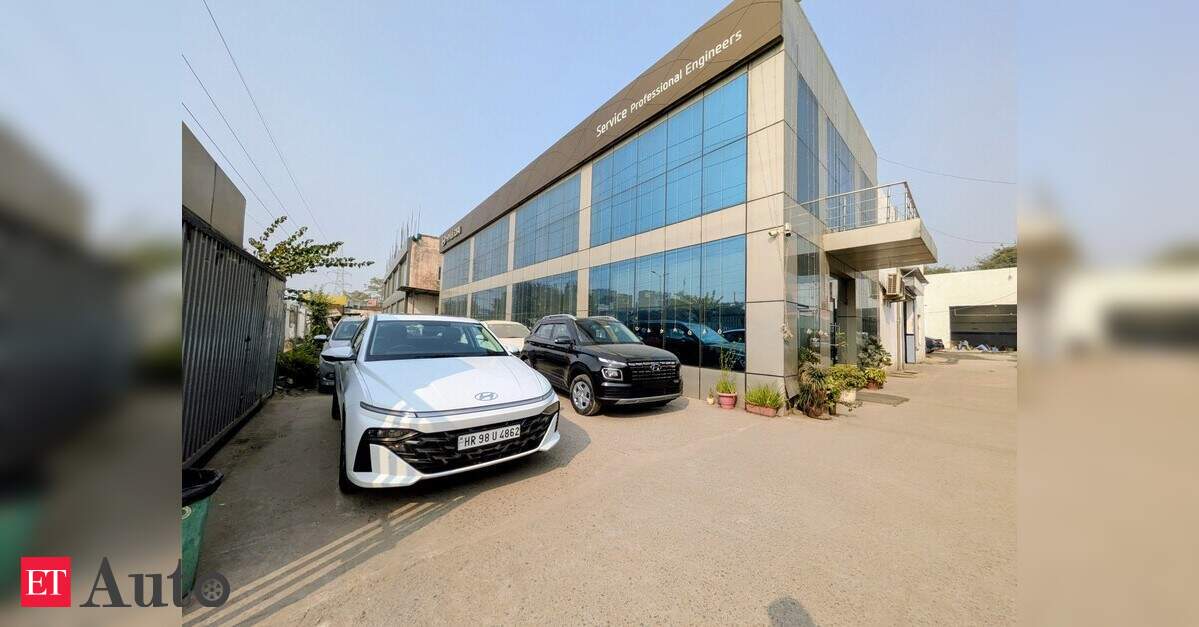

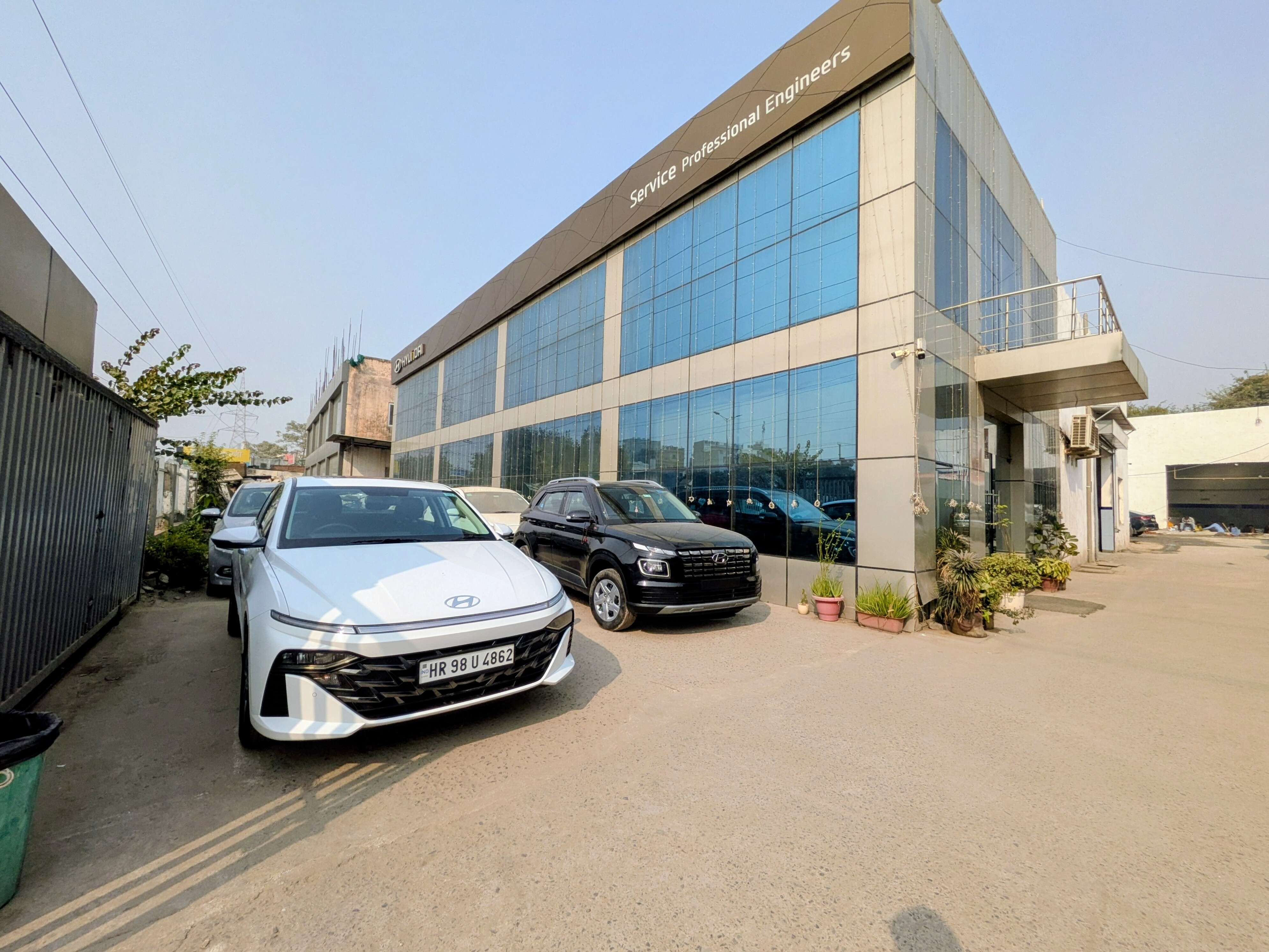
 Hyundai’s service ecosystem now comprises 1,671 touchpoints supported by 162 Mobile Service Vans, extending the company’s reach to customers in both urban and remote locations.
Hyundai Motor India Ltd (HMIL) has strengthened its aftersales network to 1,671 service touchpoints across 1,021 cities, making it the country’s second-largest automotive service network.
The strengthening of the network comes as the automaker looks to improve customer retention and ownership experience through digitalisation and predictive maintenance.
The company said it serviced 8.23 million vehicles in FY26 and achieved a Net Promoter Score (NPS) of 93.3 per cent, reflecting high levels of customer satisfaction and loyalty.
HMIL also reported a 79 per cent customer retention rate, indicating that nearly eight out of every 10 customers continued to service their vehicles at authorised Hyundai workshops even after the expiry of complimentary service packages.
Hyundai’s service ecosystem now comprises 1,671 touchpoints supported by 162 Mobile Service Vans, extending the company’s reach to customers in both urban and remote locations.
“HMIL’s expansive service network of 1,671 touchpoints and 162 Mobile Service Vans across 1,021 cities ensures reach even into the remotest areas. Focused on improving consistency, efficiency and customer trust through stronger infrastructure and digital integration, we enabled faster turnaround and more proactive engagement,” said Dong Huwy Park, Whole-time Director and Chief Operating Officer, Hyundai Motor India.
The company said it has nearly 50,000 trained service professionals across its network. Skill development is supported through eight Regional Learning Centres, 15 Training Academies and six Bodyshop Academies.
In addition, Hyundai has partnered with 102 educational institutions, including 75 Industrial Training Institutes (ITIs) and 27 polytechnics, to build a future-ready automotive service workforce.
On the technology front, HMIL is increasingly leveraging software-defined vehicle (SDV) capabilities to enhance aftersales support.
Its Remote Care programme uses vehicle sensor data to proactively identify select vehicle issues and notify customers in advance, enabling preventive maintenance and reducing the likelihood of unexpected breakdowns.
The automaker is also expanding digital service offerings through the myHyundai app. During FY26, the platform facilitated 1.95 million smart pick-up and drop service requests, allowing customers to avail vehicle servicing without visiting workshops physically.
The company said the initiatives are aimed at improving service accessibility, reducing turnaround times and strengthening long-term customer engagement as the vehicle parc in the country continues to expand.