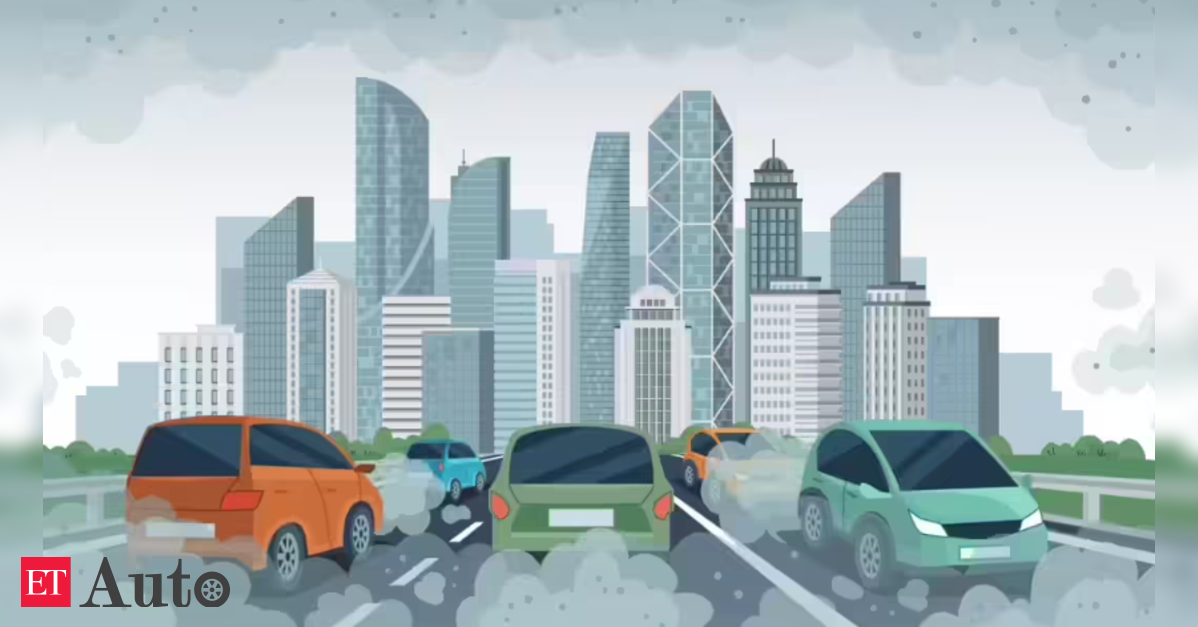

 The updated Corporate Average Fuel Efficiency (CAFE) norms will apply from April 2027 for five years and are expected to shape automakers’ product and powertrain investment strategies.
The Union government, in its draft proposal, has scrapped a proposed concession for small cars in its upcoming fuel-efficiency regulations after automakers, including Tata Motors and Mahindra & Mahindra, argued that the move would disproportionately benefit a single manufacturer, according to a government document reviewed by Reuters.
The earlier draft, circulated in September, had proposed leniency for petrol cars weighing 909 kg or less, a carve-out widely seen as favouring Maruti Suzuki, which dominates India’s small-car segment. The latest draft has removed the exemption and tightened other parameters, increasing compliance pressure across the industry.
Under the revised framework, the rules aim to reduce over-compensation linked to vehicle weight and level the playing field between manufacturers with lighter and heavier fleets. The document also outlines a steeper emissions-reduction pathway and stronger intrinsic efficiency requirements for companies with heavier vehicle portfolios.
The updated Corporate Average Fuel Efficiency (CAFE) norms will apply from April 2027 for five years and are expected to shape automakers’ product and powertrain investment strategies. A credit system will reward higher sales of electric and plug-in hybrid vehicles, while pooling of fuel-consumption performance between companies will be permitted. Non-compliance could attract penalties of up to $550 per vehicle.
The revised plan targets a reduction in average fleet emissions to about 100 grams per kilometre by March 2032 from 114 grams/km, with the potential to fall to as low as 76 grams/km if electric vehicles account for 11 per cent of total car sales by 2032.
Transport accounts for about 12 per cent of India’s energy consumption and is a major contributor to petroleum imports and carbon emissions, with passenger vehicles responsible for nearly 90 per cent of transport-related emissions.