
 Hyundai Creta
Hyundai Motor India reported a strong start to the new year, with SUV demand continuing to rise, led by compact SUVs. The Korean carmaker, which reported its January sales on February 1, posted a strong surge in SUV sales and exports, accounting for a significant share of its total sales.
Interestingly, the company now sees SUV demand rising faster in Bharat.
“SUV penetration in rural markets is now slightly higher than urban, reflecting changing customer aspirations,” Managing Director and CEO Tarun Garg said during the Q3 FY26 post-earnings call, his first since he took charge in January.
Structural shift in Bharat
This indicates a structural shift among rural market buyers, driven by a growing preference for SUVs. The rural market accounted for more than 24 per cent of the South Korean automaker’s domestic sales in the third quarter of the ongoing fiscal year, the highest-ever share. The company has attributed this change in sentiments to the policy reforms and its rural market dealer strategy. “Income tax cuts, GST 2.0 reforms and interest rate cuts significantly improved customer buying sentiments and brought a renewed wave of optimism,” Garg added.
Meanwhile, Hyundai Motor India on Monday reported a 6.3 per cent YoY rise in net profit to ₹1,234.4 crore in the Q3 FY26, driven by steady domestic demand and higher export volumes.
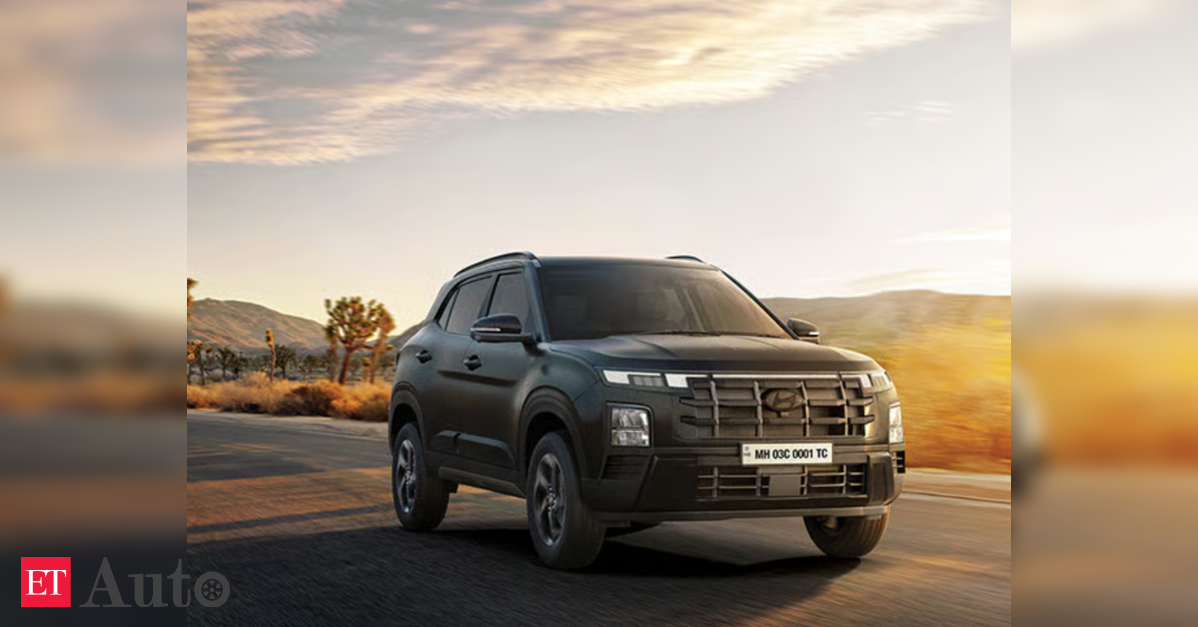
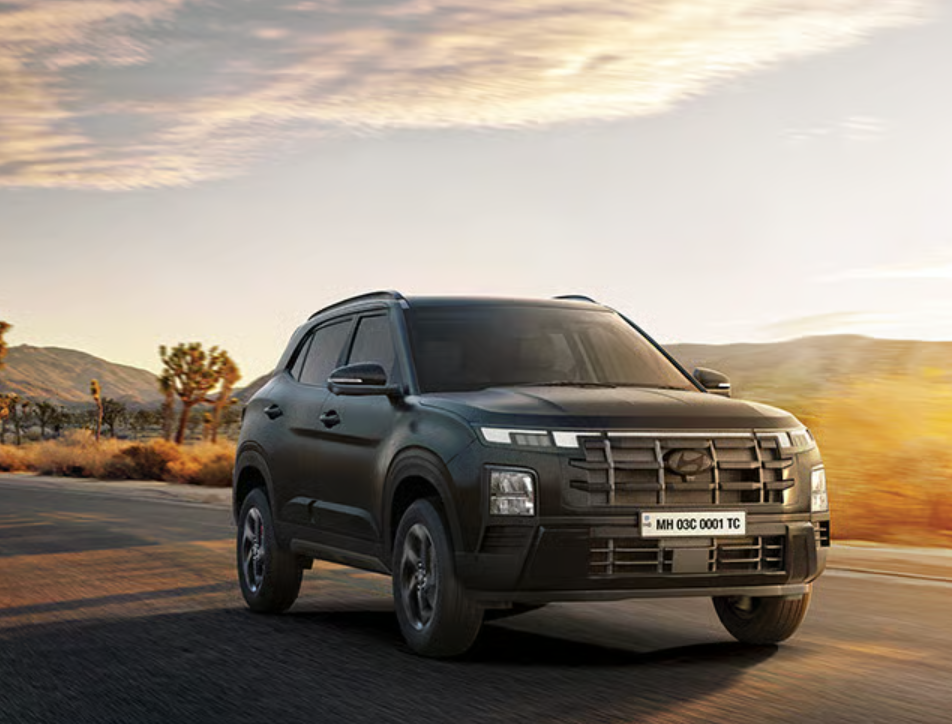
SUVs accounted for 70 per cent of Hyundai’s total sales of 1,03,004 units in three months to December 2025. The new Venue, unveiled in November last year, is receiving strong traction with nearly 80,000 bookings to date. The first-time buyers for the company also rose to 48 per cent. Its best-selling and segment-defining SUV, Creta, reported more than 2 lakh units of sales in CY2025.
The company expects this growth momentum to continue in the current quarter, as exports rose 21 per cent to 48,888 units. “By leveraging opportunities from the new Venue and expanding our presence in newer markets, we are confident of sustaining growth momentum in Q4 and beyond,” he added.
Along with this, the growing acceptance of new technologies and feature-rich vehicles powered the company’s growth. “Structural shifts in consumer preferences continued to strengthen, driven by rising SUV adoption, growing acceptance of new technologies and an increasing preference for higher-value, feature-rich vehicles,” Garg added.
Mixed performance across segments
Despite stiff competition from Mahindra and Tata Motors in the race for the No. 2 market-share position, the management commentary points to an improving outlook for the company. Hyundai’s share in domestic hatchback sales slumped 3 per cent from 20 per cent in Q3 FY25 to 17 per cent in Q3 FY26. Internal combustion vehicles accounted for 83 per cent of sales, down from 85 per cent in the quarter ending December 31, 2025. EVs accounted for just about one per cent of its volumes, led by the Creta Electric and the Ioniq 5.
However, the top management believes its EV game would strengthen with its upcoming launches. “Our biggest bet in the EV segment will be launched around FY27,” he added.
On the CNG front, it reported a steady rise. “In the third quarter, it reached 16 per cent, the highest-ever quarterly CNG mix, compared with around 14–15 per cent last year. The trend continues to strengthen,” Garg said.
Growth outlook mirrors industry forecast
Hyundai is aligning its growth outlook with the industry’s projected 5–6 per cent volume expansion in the next financial year. “We are broadly in line with the industry growth trajectory, and our model mix is well positioned to capture opportunities arising from the GST cut,” Garg said.
The company has also recently ventured into the taxi segment, for which it has received a “great response”.
“The initial response to our Prime taxi range has been extremely solid,” he added. With this, the company aims to gain a reasonable presence in the commercial fleet market.