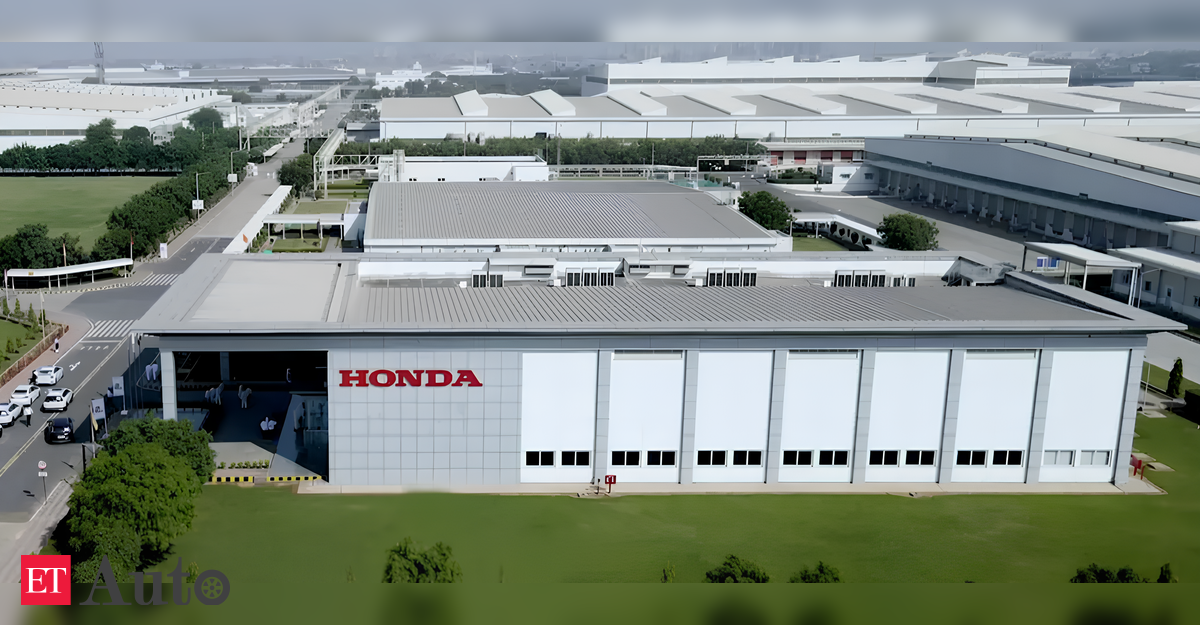

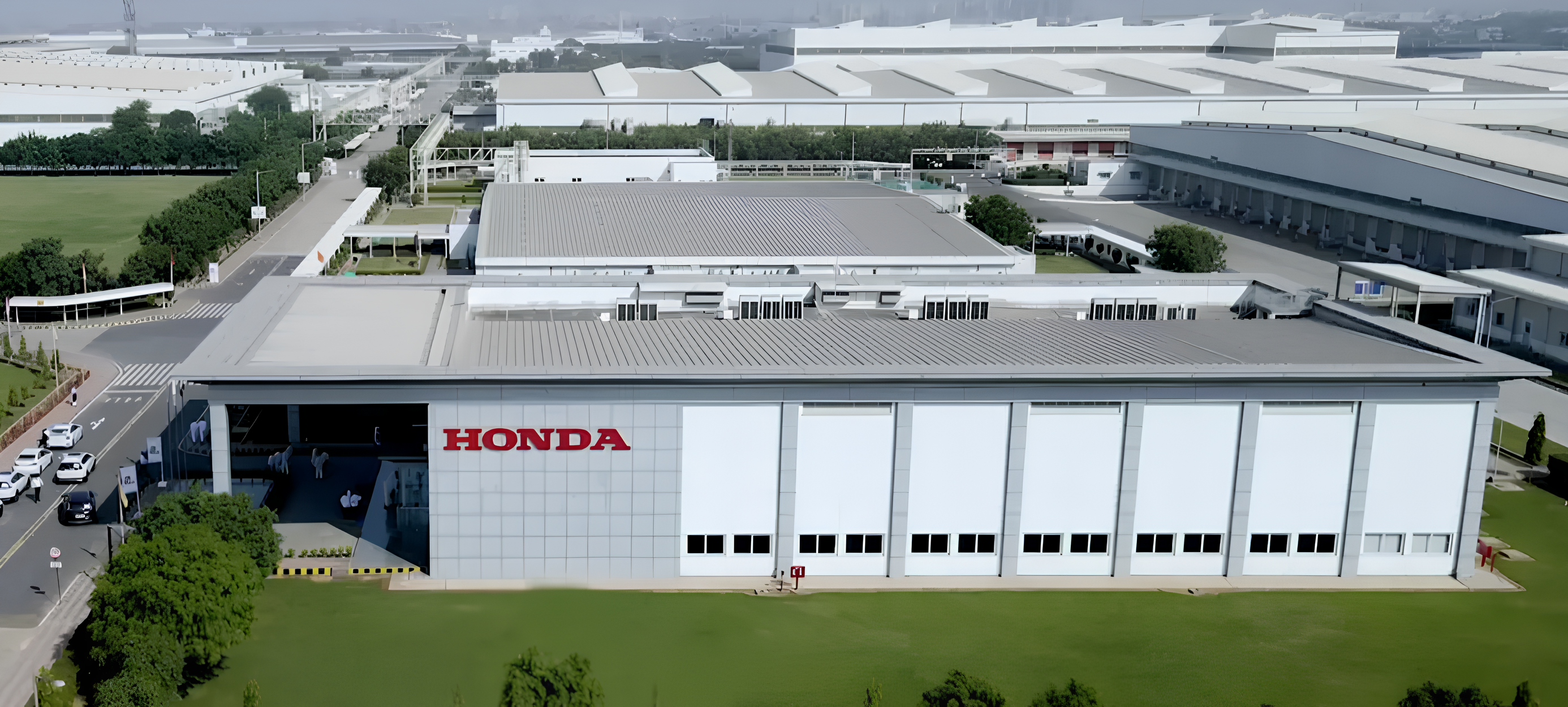
 According to top management in Japan, when it comes to the motorcycle business in China, Honda already works closely with local suppliers in manufacturing.
Honda Motor Company believes that there is a need to revisit its Asia business operations where competition has been intensifying in cars and SUVs.
“In particular, in China and India, it is essential to rebuild how we work with local suppliers and how we structure local manufacturing in order to regain competitiveness in both speed and cost,” said the top management during an analyst Q&A session in Japan following its third quarter results for the period ending December 31, 2025.
This was in response to a specific question on whether Honda was “losing competitiveness” in Asia where its automobile business appeared to face “significant challenges”. What really were some of the fundamental issues that the company was facing ?
“We recognise that we do not currently have a cost advantage versus competitors. We need to learn proactively from what is being done in China and incorporate it into our operations,” said the management. In India, Honda is still perceived as a marginal player in the car segment quite unlike two-wheelers where it is now a strong Number 2 with former ally, Hero MotoCorp, still leading the race.
According to the top management in Japan, when it comes to the motorcycle business in China, Honda already works closely with local suppliers in manufacturing. In contrast, in the automobile business, “elements of a self-reliance” approach still remain.
Need to change mindset
“We intend to reassess this, and where necessary, shift away from insisting on doing everything ourselves, toward a mindset of making products that are easy to manufacture, including a fundamental change in mindset,” said the management.
Honda’s sales volumes of automobiles in Asia have plummeted from around 800,000 units previously to below 400,000 units with market share being taken primarily by emerging OEMs. Compared with peers that are able to compete on the back of strong cost competitiveness, “we recognise that we still lack the same level of cost competitiveness”.
That said, “our brand equity and trust” we have built with customers remain strengths. “We need to leverage upcoming timing such as full model changes to regain momentum,” added the management.
Read more: Renault pulls out all the stops with Duster’s homecoming
Regarding the “concreteness” of the strategic shift, Honda conceded that it had not been able to allocate sufficient resources to the Asian market. As it prioritised the company-wide EV shift, there were areas in the legacy domains that were not adequately maintained and it had now reached a point where products, launched exactly as originally planned, were not being accepted by the market.
As a radical reform measure, the Japanese automaker was now moving forward with halving the development lead time and this exercise had already begun. “We believe that responding to change in an agile manner and bringing fresh products to market in a timely way is essential to sustaining competitiveness. Reforming development speed is therefore at the core of the transformation,” explained the management.
Dramatic shift in EV transition
While dwelling on the challenges in its global automobile business, Honda had expected the shift from ICE to EV to accelerate around 2025 but the “situation has in fact changed”. With respect to ICE, major models such as the Civic, CR-V, and Accord had lost freshness around 2021, and profitability remained at a low level at that time.
Since then, these models had been renewed and the lineup regained freshness too which supported an improvement in profitability. “As a result, we believed we had established a certain level of visibility on ICE earnings power,” said the leadership team at the Q&A session.
However, since 2024, the market environment changed significantly. In North America, the impact of tariffs had been extremely significant and “we believe that without tariffs, the shift could have progressed more in line with our original plans”. Here as well, the importance of cost competitiveness had been increasing, pointed out the management.
“In China, development speed has become so fast that models can be updated within roughly one year, and it is becoming difficult to keep up with technological evolution,” it admitted.
According to Honda, the global EV market was clearly experiencing a significant slowdown. Until now, in pursuing carbon neutrality by 2050, it was “necessary for us to strongly promote our EV strategy”. Today, the company was now a phase where a “recalibration” of its course was required.
Rebooting EV roadmap
“While our ultimate goal remains unchanged, the pathway to achieving it is evolving into a different form from what we had previously envisioned. Taking into account regional market conditions, we will carefully reassess the timing of EV introductions and revise previously planned initiatives to better align with current realities,” said the management.
In North America, for instance, Honda does not expect EV penetration to expand significantly in the near term. Accordingly, “we will concentrate our resources” on ICE and HEV models to further strengthen competitiveness.
In China, although EV penetration is already high, “we recognise that we are lagging behind” local manufacturers in areas such as software and interior technologies. Going forward, leveraging local suppliers will be essential, and “we intend to move away” from a self-reliant approach and shift toward a strategy that is more deeply rooted in the Chinese market.
“As our cost competitiveness is also insufficient, we are currently steering management in that direction. Furthermore, we believe that the know-how gained in China can be applied across other Asian markets,” said the management. While competition from emerging manufacturers was intensifying in Asia, “we aim to compete by leveraging our established brand strength”.
Read more: PV sales jump 12.6% in January as industry clocks record volumes: SIAM
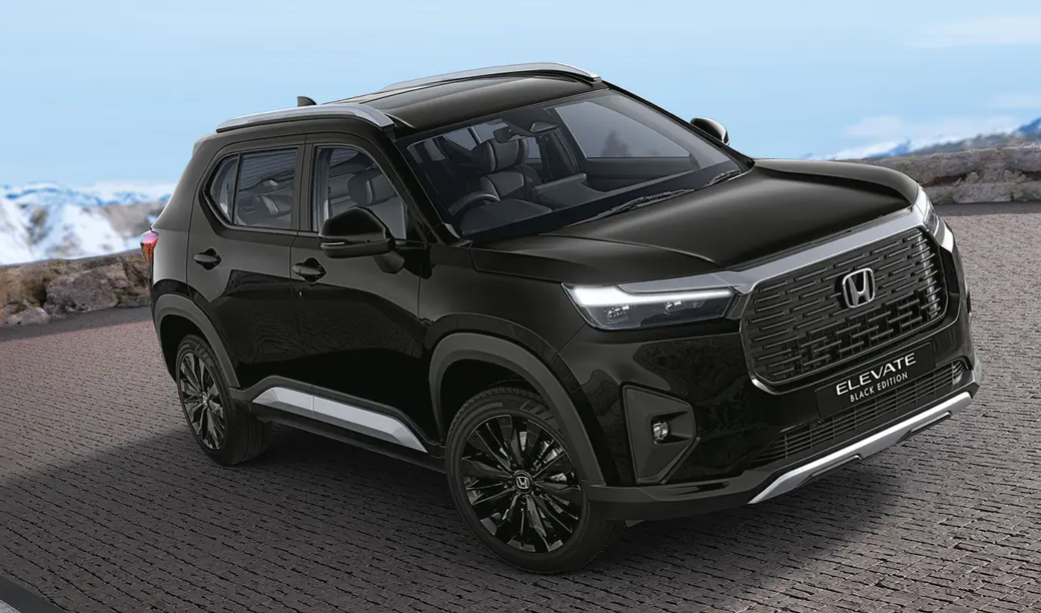 Honda India Elevate
India remains a challenging market
Whether Honda will be able to achieve its intended goals in Asia remains a million dollar question. While India will clearly be part of the overall growth plan, the company has been relegated to the sidelines in a market where the Toyota-Suzuki combine along with Hyundai-Kia and local competition in the form of Mahindra and Tata are surging ahead with top-class products both in the ICE and EV space.
Though it has been around for three decades in India, Honda still has not been able to position itself as a formidable participant despite durable brands like the City or more contemporary offerings such as Amaze and Elevate. There was a time when the Japanese automaker looked particularly vulnerable when it shut down vehicle production at Greater Noida near Delhi and shifted this to its other facility in Rajasthan.
All this was part of a restructuring effort to keep costs in check and ensure a viable business model for India. Today, that move stands vindicated with a healthy mix of domestic sales and exports. Volumes, however, remain modest in India as has been the case for many years now.
The two-wheeler sector, however, has been a more encouraging story with Honda firing on all cylinders and now emerging as a strong rival to Hero. The company has been trying hard to get to the top slot but its former partner is not willing to give up this position in a hurry. Honda has also not made any impact with its electric two-wheeler offerings with TVS and Bajaj in the top two places followed by Ather and Hero.