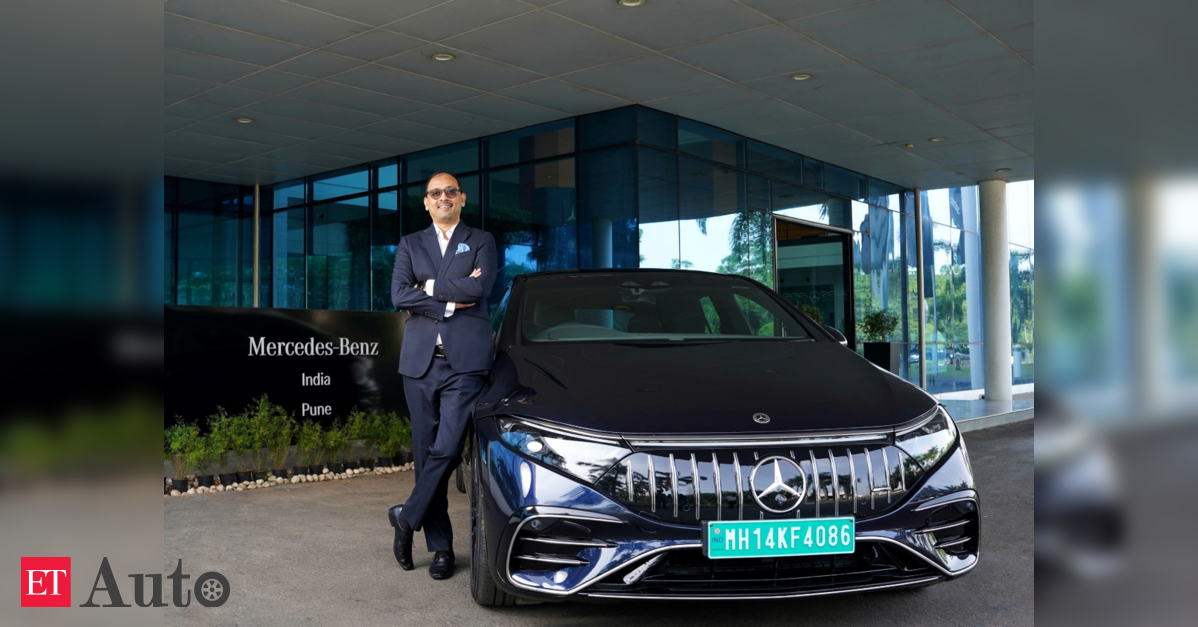

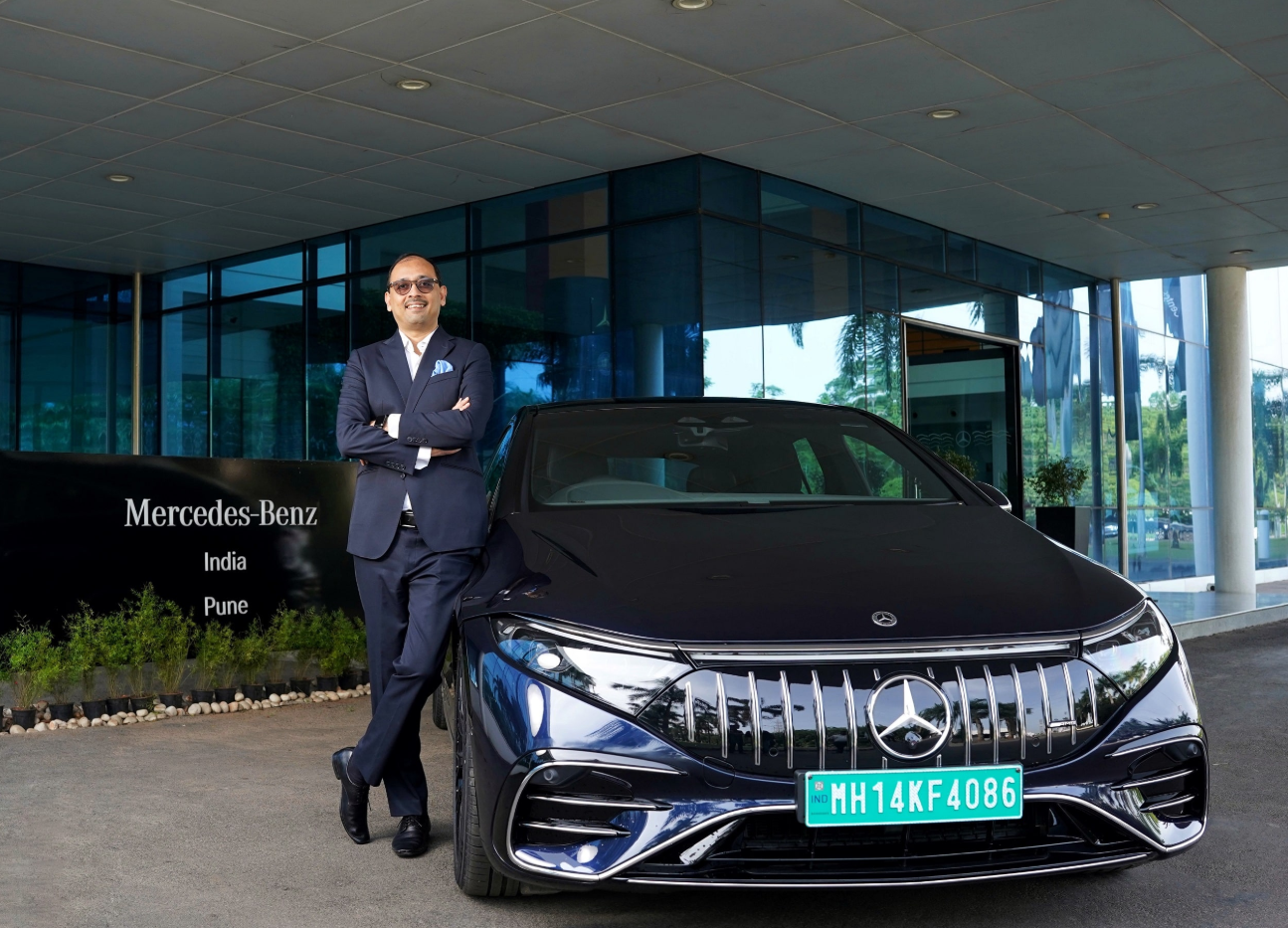
 Santosh Iyer, Managing Director & CEO of Mercedes-Benz India
The two-week ceasefire in West Asia may have brought down oil prices for now, but the supply disruptions and pump price hikes the world has seen over the last 40 days have given consumers second thoughts about continuing to use their ICE vehicles.
Thanks to the ensuing state elections, pump prices in India have remained unchanged. Though high-performance premium petrol did see some hikes by the Oil Marketing Companies (OMCs).
Mercedes-Benz India sees a big opportunity here among consumers who may be considering shifting to electric vehicles to insulate against the effects of such global disruptions.
However, the top management believes Indian luxury buyers remain cautious and focused on total cost of ownership (TCO) before switching from ICE.
“India is a value-conscious market, they look at TCO… they look at ownership cost, fuel economics, residual value, charging accessibility and range,” said Santosh Iyer, Managing Director & CEO of Mercedes-Benz India during a media call held on Thursday.
Mercedes-Benz reported a record year, with its best-ever fiscal sales of 19,363 units in FY26, of which 20 per cent of its top-end sales were battery-electric vehicles (BEVs).
Top-end BEVs, priced more than ₹1.4 crore, grew 85 per cent in FY26 compared to the previous fiscal year, backed by the EQS SUV, which was the highest-selling luxury BEV. In January to March 2026 quarter, the company reported overall sales of 5,131 units, registering a 7 per cent YoY growth.
Product substance takes precedence
While Mercedes-Benz India is slated to introduce the CLA EV later in April 2026, the model is expected to be priced above ₹60 lakh (ex-showroom), potentially allowing BMW India to sustain its momentum in the entry-luxury EV segment, where the iX1 LWB continues to witness strong demand.
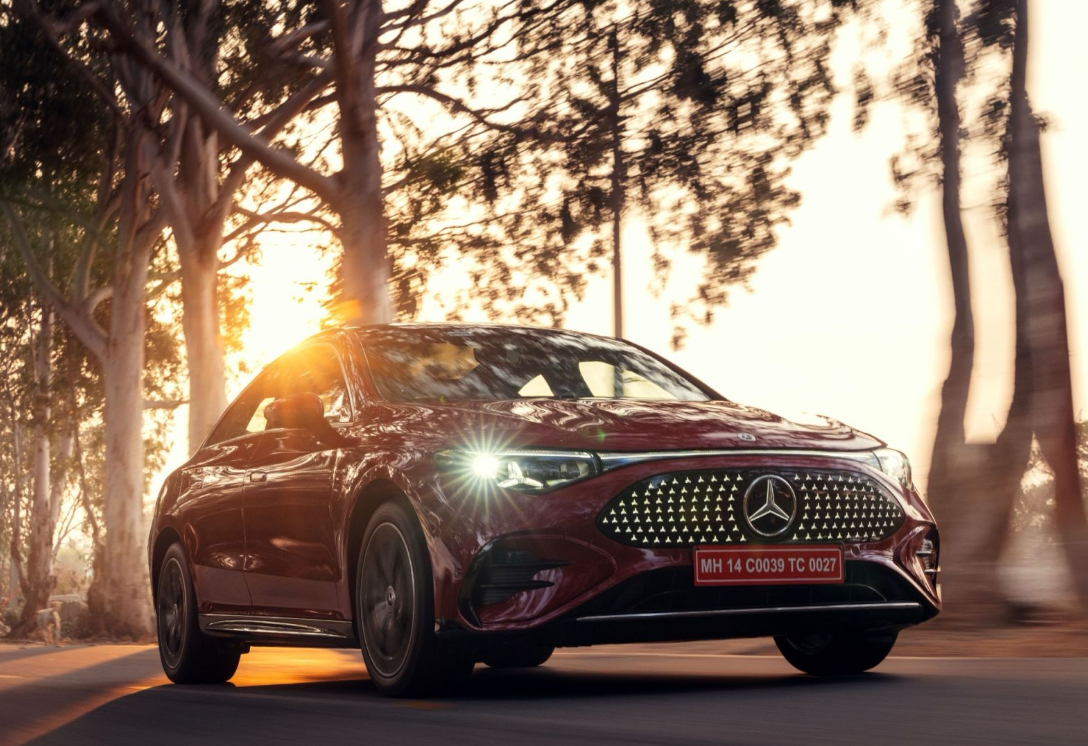 CLA EV
Even at the ₹60 lakh price point, Mercedes-Benz India said it will absorb a portion of the impact from import duties and related costs to maintain price parity between India and Europe.
“The CLA EV will not be a price warrior… we will focus on product substance,” Iyer added.
The German automaker’s EV portfolio currently includes the EQS SUV, the EQS SUV Maybach, and the G Electric. The new launch is an attempt by the company to preserve brand desirability and residual values rather than compete on aggressive pricing.
Luxury car prices near pre-GST 2.0 levels
The company also flagged concerns that luxury car prices in the country are creeping back towards pre-GST 2.0 levels, due to sustained rupee depreciation against the euro and rising input costs.
This geopolitical uncertainty is driving automakers to raise prices, which were reduced by new GST reforms. Mercedes Benz India which already did two rounds of price hikes in January and April, it might also do another in the coming months.
“Given sustained currency pressure, customers can expect around a 2 per cent price increase each quarter going forward…a trend that is gradually bringing prices closer to pre-GST levels,” Iyer added.
Despite these headwinds, the automaker refrains from deep discounting or content reductions to soften price increases. The company said that avoiding aggressive price wars helps protect long-term customer value, even as entry-level models become more expensive.
“We have always maintained that we will prefer value over volume. And that means we will not do deep discounting,” he added.
With 12 launches planned across segments, including EVs, the company is planning single-digit growth in both FY27 and 2027.
However, the automaker highlights sensitive market sentiment due to macroeconomic conditions, which demand adaptive strategies in pricing, product localisation, and customer engagement to sustain momentum through FY27 and beyond.