
 The earlier subsidy-led expansion had resulted in excess capacity and the entry of several smaller manufacturers, prompting authorities to reduce support and encourage consolidation across the sector.
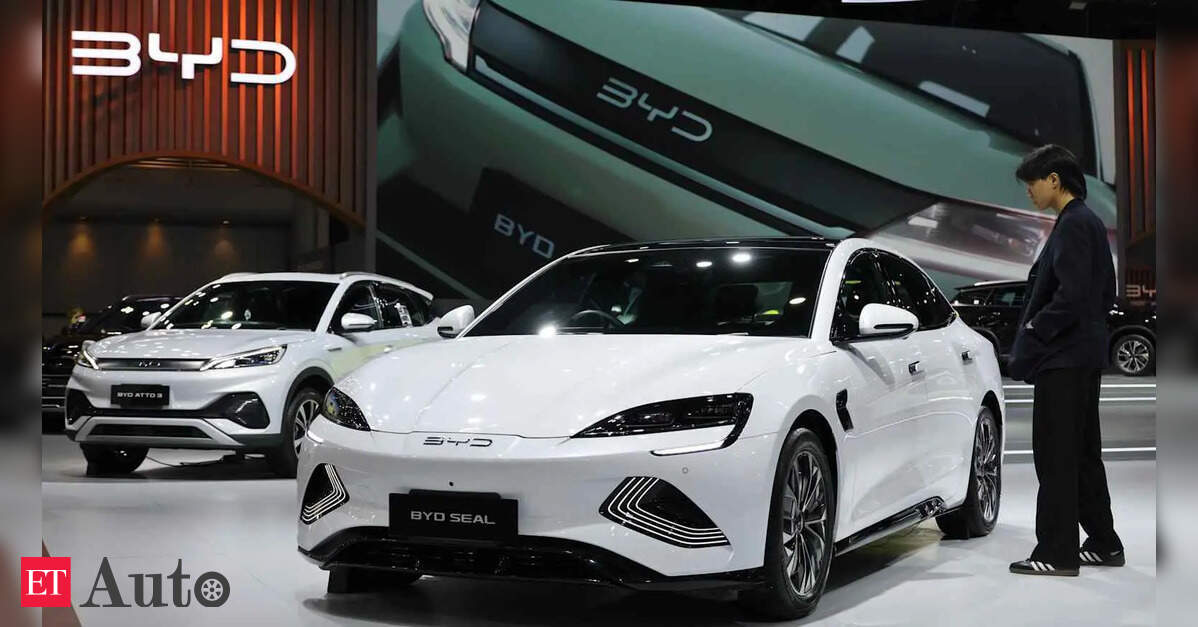
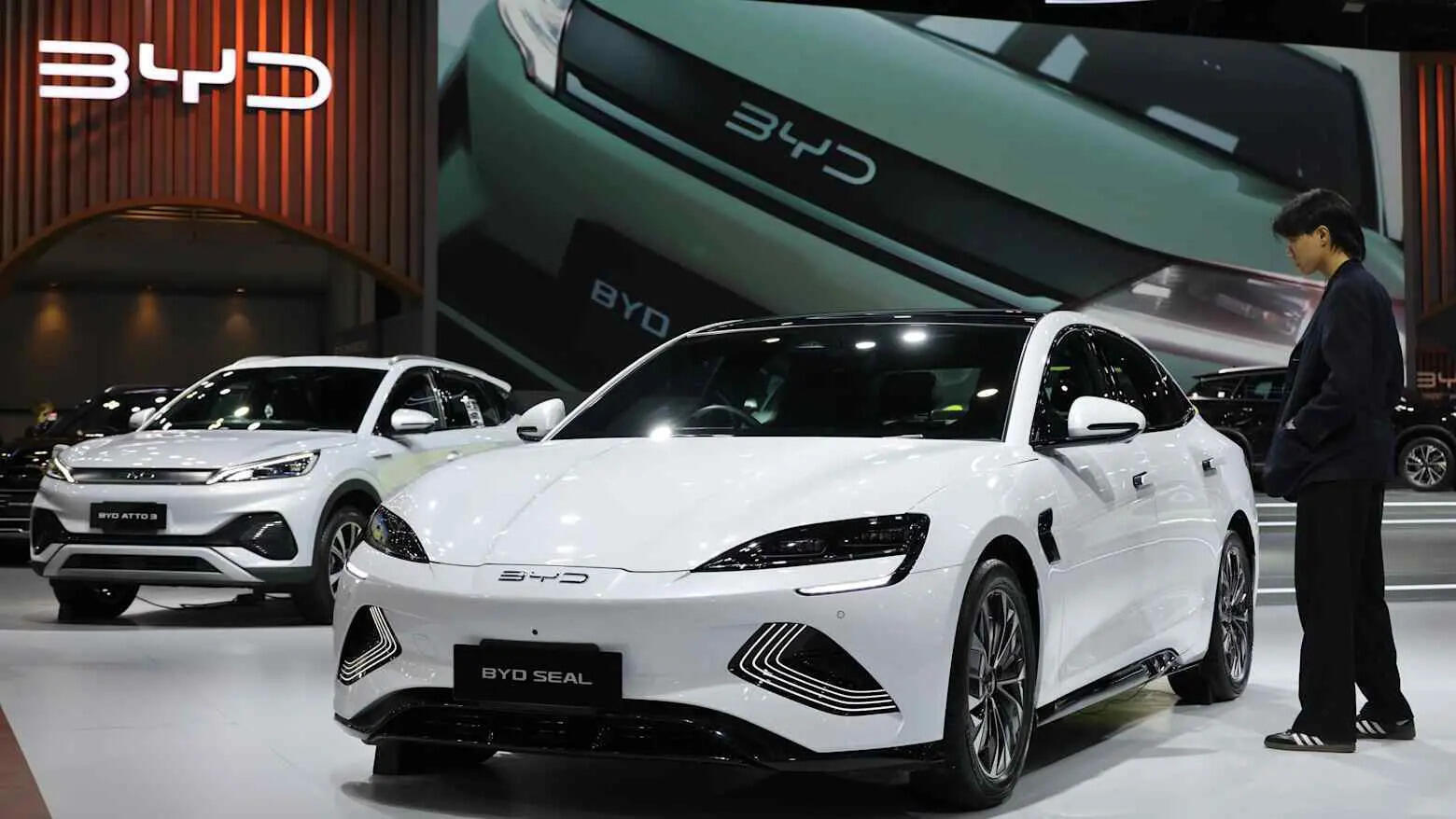
The rollback of government subsidies in China’s electric vehicle market is beginning to impact industry players, with BYD reporting its first annual profit decline in four years.
According to a report by the Financial Times, the Shenzhen-based automaker’s earnings have come under pressure as policy support tapers off and competition intensifies, signalling a shift for a sector long driven by state incentives.
The company’s net profit fell 19 per cent year-on-year to 32.62 billion yuan ($4.72 billion), missing the 35.65 billion yuan estimated by analysts in a Bloomberg survey.
“China’s NEV industry has established a leading position globally, but still faces multiple challenges in 2026. At the market level, persistent price wars and a highly competitive environment are squeezing automakers’ profit margins,” BYD said.
China phased out EV subsidies last year, weakening demand in a market already facing oversupply and aggressive pricing. From January 1, the country also ended full EV tax exemptions, aiming to move the market away from “price-driven competition” towards “value-driven competition”.
The earlier subsidy-led expansion had resulted in excess capacity and the entry of several smaller manufacturers, prompting authorities to reduce support and encourage consolidation across the sector.
Pressure on volumes and pricing
For BYD, the policy shift has coincided with a slowdown in sales. Its core EV business has reported declining volumes for six consecutive months.
The removal of subsidies has reduced affordability for consumers, forcing manufacturers to either absorb higher costs or lower prices to sustain demand.
To counter this, BYD has also been expanding into global markets including Latin America and Europe, where auto analysts say profit margins are typically higher than in China.