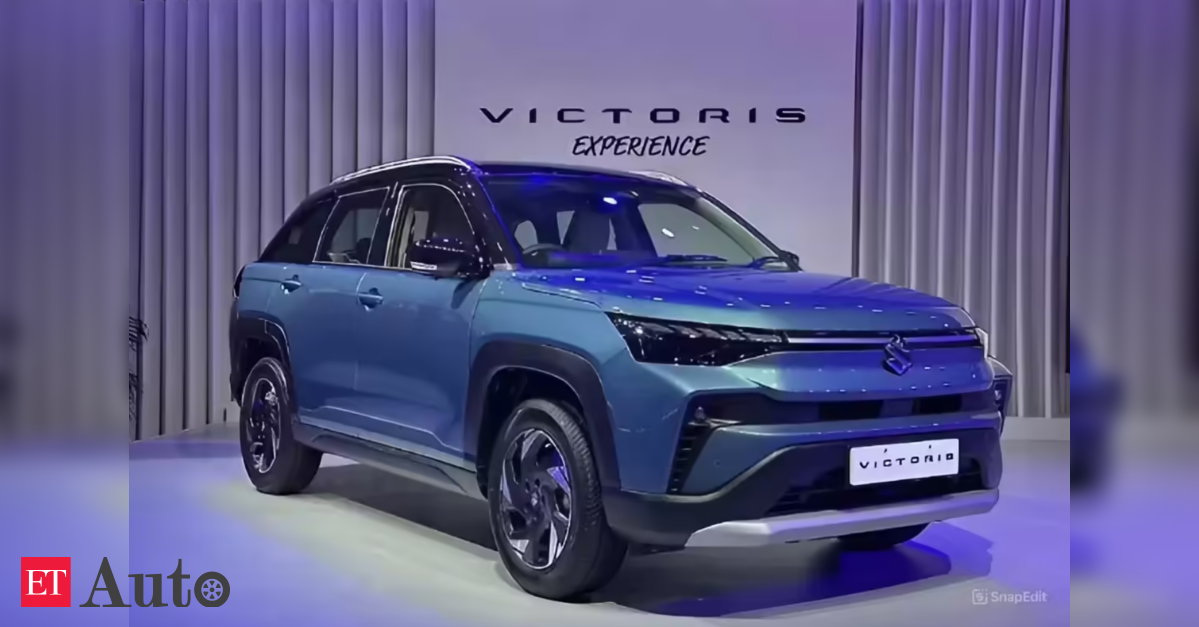

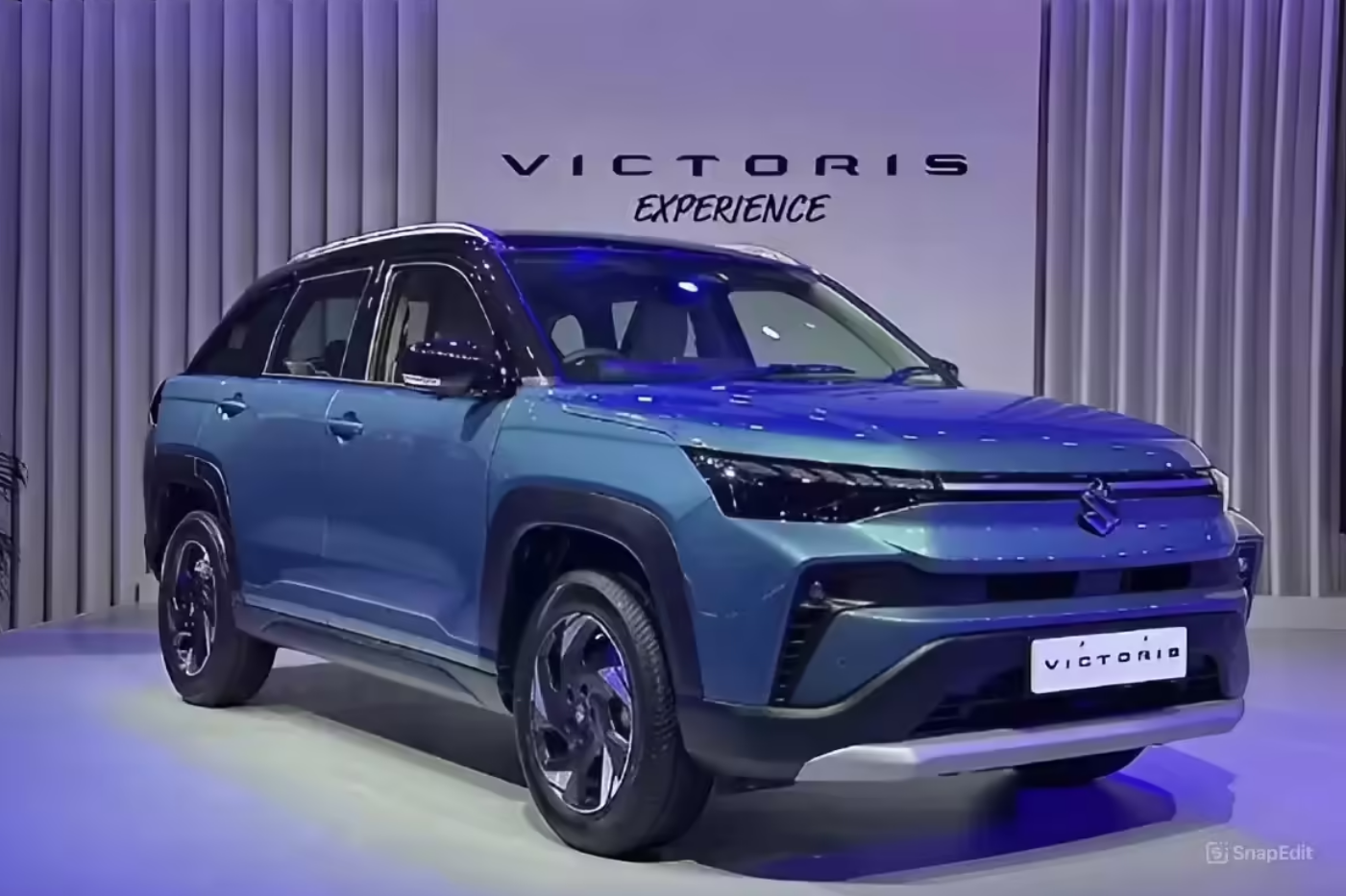
 In the mid-SUV space, Victoris has seen “strong customer acceptance” and contributing to volume growth.
With the war in West Asia showing no signs of a quick closure, Maruti Suzuki has been working “very closely” with its supply chain and logistic partners to ensure continuity of operations and mitigate potential disruptions.
“We have strengthened coordination across critical suppliers and enhanced contingency planning. However, the situation does remain dynamic and cost pressures do persist. We continue to closely monitor developments and respond as required,” said Rahul Bharti, Chief Investor Relations Officer and Senior Executive Officer, Corporate Affairs.
He was speaking to analysts during an earnings conference call following Maruti’s Q4 results on April 28.The transcript has been uploaded on the company’s website.
According to Bharti, the operating environment for the automobile industry remained complex last fiscal thanks to a mix of challenges including supply issues in rare earth metals along with the conflict in the West Asia region. This posed a risk to supply chains, particularly energy, certain raw materials and logistics.
While acknowledging that war-related challenges may impact the business environment in the short term, the company believes these disruptions are temporary and will likely subside as circumstances improveRahul Bharti
“These developments increased uncertainty for the industry and required greater focus on business continuity,” he said. Despite these headwinds, Maruti continued to maintain “strong confidence” in the resilience of India’s economy. Also Read: SUVs drive 30% of Maruti Suzuki’s April volumes, rural penetration crosses 52%
Disruptions are temporary
“While acknowledging that war-related challenges may impact the business environment in the short term, the company believes these disruptions are temporary and will likely subside as circumstances improve,” elaborated Bharti.
To a specific question, he replied that a whole lot of mitigation actions were in progress. It was first important to ensure that there was no disruption in production operations. “So, whether it is gas supplies or alternate fuels, etc., and arranging them from the lowest possible source, diversifying our portfolio,” said Bharti.
The good news was that the domestic demand scenario remained positive which meant that capacity utilisation needed to be high. “We are fortunate to have pending orders and want this to continue with good volume buoyancy,” he continued.
The constant effort was to arrange all commodities at the lowest possible cost while diversify the supply chain. In such a situation, some cost headwinds do come and it is part of business,” reasoned Bharti.
Also Read: Maruti Suzuki to invest ₹14,000 cr in FY27; FTAs to pave way for new markets: Bhargava
GST 2.0 broadens buyer base
The recent GST 2.0 reduction was seen as a “transformative factor” for the passenger vehicle sector since the move to reduce taxes had enhanced affordability for a broader segment of customers. This, in turn, had set the industry on a path of “sustained long-term structural growth” by enlarging the potential customer base.
Consequently, Maruti is proactively accelerating its capacity expansion efforts to address the strong demand and cater to pending orders. The second plant at the Kharkhoda facility and the fourth production line at the Hansalpur facility in Gujarat will become operational this fiscal and add an annual production capacity of 250,000 vehicles each.
This “bold move” was a clear testament to the company’s “unwavering confidence” and optimism in the immense growth potential that lies ahead. It plans to increase production capacity to four million units per annum in the medium term.
If you compare any like-to-like model, we would be about 20 per cent more efficient and the company is always positioned from a technology perspective positively for energy efficiencyRahul Bharti
Optimal use of rail transport
Beyond this, Maruti had set a “new benchmark” in green logistics by despatching over 600,000 vehicles through railways last fiscal, a growth of about 18.5 per cent over the preceding year. The company’s share of rail mode in outbound logistics had grown exponentially from 5.1 per cent in 2016 to 26.5 per cent in FY 2026.
On powertrain technologies, the current war had shown that biofuels like compressed biogas and ethanol were “coming to the rescue” at a time when crude oil imports are under pressure. Bharti reiterated that Maruti models were “inherently far more efficient” than any others in its peer group.
“If you compare any like-to-like model, we would be about 20 per cent more efficient and the company is always positioned from a technology perspective positively for energy efficiency,” he added.
Pending customer orders
Maruti’s domestic sales volume growth last fiscal was constrained by production capacity with around 190,000 customer orders remaining unserved. Of these, 130,000 were in the small car segment qualifying for 18 per cent GST.
“During the second half, we observed higher showroom traction from two-wheeler upgraders, as well as an increase in first-time buyers,” said Bharti. While rural markets continued to perform well, urban regions also recovered post-GST 2.0.
In the mid-SUV space, Victoris has seen “strong customer acceptance” and contributing to volume growth. Likewise, the e Vitara is seeing an “encouraging” initial response and “strengthens our preparedness” for the gradual transition towards electric mobility.
Exports remained an important growth driver last fiscal and Maruti continues to be the leading exporter of passenger vehicles to diverse global markets. The company by itself remains one among 18 carmakers to have contributed a substantial 49 per cent of India’s total passenger vehicle exports in the financial year that just went by.