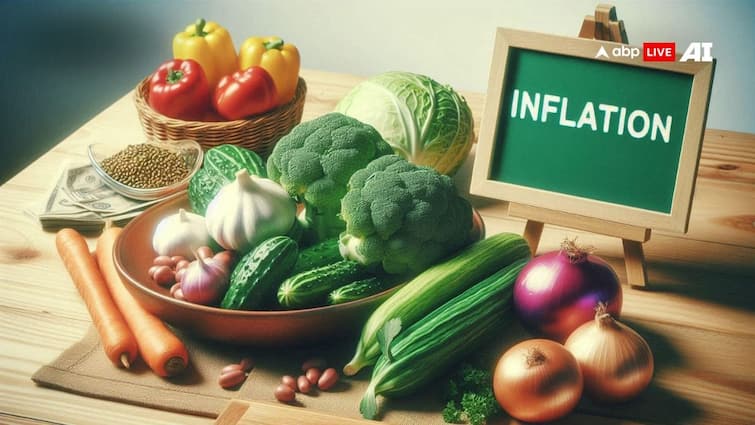

India’s wholesale inflation edged closer to zero in November, offering early signs that deflationary pressures across the economy may be easing. The Wholesale Price Index (WPI) stood at –0.32 per cent for the month, up from –1.21 per cent in October, marking a recovery from a 12‑month low.
While wholesale prices remain in negative territory, the latest data suggests that the sharp price corrections seen earlier this year, particularly in food items, are beginning to moderate. Economists say the November print could signal that the worst phase of wholesale deflation is behind the economy, reported Moneycontrol.
What Is Driving the Improvement in WPI?
The rise in wholesale inflation was largely driven by a slowdown in the pace of price declines across key segments of the commodity basket. Primary articles, which had seen steep falls over the past few months, showed signs of stabilisation, helping lift the overall index.
Food articles, which had been the biggest drag on WPI, continued to remain in contraction, but the intensity of the decline softened noticeably. This moderation played a crucial role in narrowing the negative inflation gap.
Food Prices Still Weak, But the Fall Softens
Food inflation remained the largest contributor to negative WPI, though the pressure eased compared to October. Vegetable prices, which had crashed sharply earlier in the season, showed signs of stabilising.
Vegetables were still over 20 per cent cheaper compared to a year ago, but this marked a significant improvement from October, when prices had plunged by nearly 35 per cent. Ample supply and favourable base effects continued to weigh on prices, particularly for onions and potatoes, which remained sharply lower year‑on‑year.
Cereals, which had supported wholesale inflation earlier in the year, slipped into negative territory in November. Wheat prices, after staying elevated through much of the first half of the year, also turned marginally negative. Pulses extended their deflationary trend, reflecting improved availability and easing procurement pressures that have been in place since early summer.
Non‑Food Articles Provide Partial Relief
While food prices dragged the index, non‑food primary articles offered some support. Oilseeds prices rose sharply in November, driven by supply constraints and firm global cues. This pushed inflation in the oilseeds segment close to double‑digit levels, helping offset weakness elsewhere in the basket.
Minerals inflation also strengthened during the month, reflecting price pressures in select inputs linked to construction activity and industrial demand.
Fuel and Manufacturing Remain Subdued
Fuel and power inflation stayed in negative territory for another month, although the pace of contraction slowed. Prices of crude petroleum and natural gas continued to decline year‑on‑year, tracking global oil trends. Petrol and diesel also remained cheaper than a year ago.
Manufactured products, the largest component of the WPI, saw a slight easing in inflation. Price pressures in manufactured food products cooled sharply, falling to below 1 per cent after remaining in high single digits earlier in the year. Edible oils also recorded a pronounced deceleration following strong gains in the first quarter.
Core manufacturing categories such as chemicals, pharmaceuticals, textiles and basic metals showed only modest increases or mild deflation, underlining the absence of significant cost‑push pressures across the industrial sector.
What This Means for the Inflation Outlook
The easing of wholesale deflation comes alongside unusually low retail inflation, which has stayed below 2 per cent in recent months. Together, the trends suggest that overall price pressures in the economy remain well contained.
For policymakers, the November WPI data reinforces the view that inflation risks are currently limited, even as global economic uncertainty persists. While a sustained return to positive wholesale inflation will depend on demand recovery and global commodity trends, the latest reading indicates that price stability has improved.