
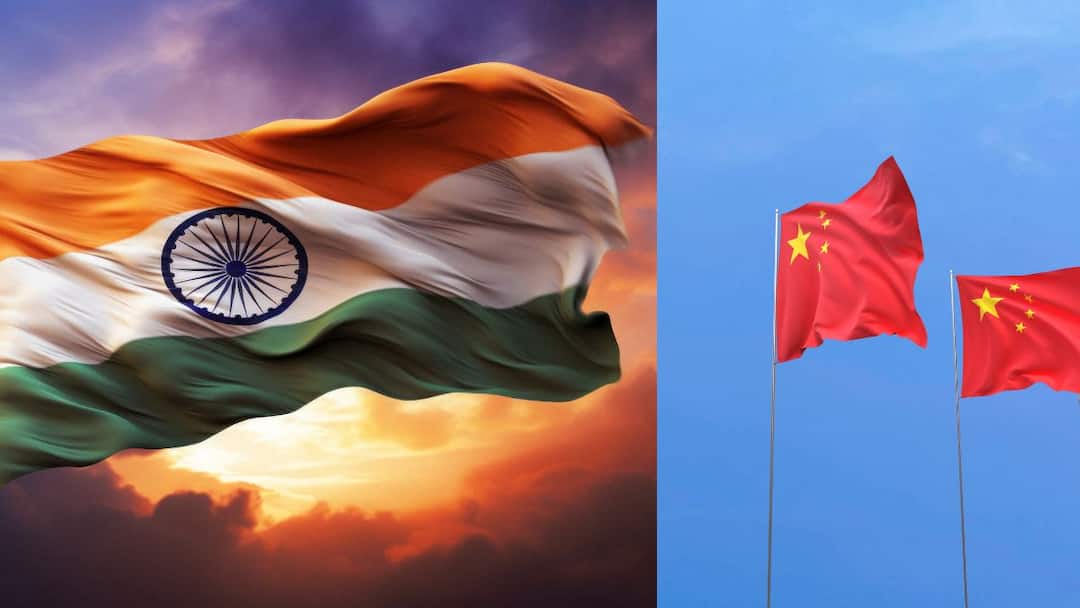

India has relaxed its business visa framework to make it easier for foreign engineers and technicians, particularly from China, to work in the country, a move widely seen as a practical boost for domestic manufacturing sectors that rely on specialised overseas skills.
The decision is aimed at cutting through bureaucratic delays that have slowed visa approvals in recent years and restoring operational continuity for factories dependent on imported machinery and technical know-how, according to a Reuters report.
A Digital Push to Speed Up Approvals
At the centre of the reform is a new digital platform launched last month by the Department for Promotion of Industry and Internal Trade (DPIIT). The system allows Indian companies to generate sponsorship letters online, eliminating one of the most time-consuming steps in the visa application process.
The government has also simplified application forms and scrapped the requirement for businesses to obtain additional recommendations from multiple ministries. Officials say the changes are designed to make the process faster, more transparent and predictable for companies operating in time-sensitive manufacturing environments, reported Business Standard.
For businesses that had grown accustomed to months-long waiting periods for approvals, the streamlined system is expected to significantly reduce uncertainty.
Why Chinese Technicians Matter to Indian Factories
The relaxed norms apply to critical manufacturing roles such as factory installation, commissioning, maintenance and production. These functions often require deep familiarity with Chinese-made machinery, which is widely used across India’s electronics, solar and consumer goods sectors.
Chinese engineers and technicians are also central to training Indian workers to operate and maintain advanced equipment, enabling local teams to scale up production and improve efficiency.
Industry executives have repeatedly flagged that the absence of such specialists can stall output even when factories are otherwise ready to operate.
Reuters reported last week that India had already begun easing red tape for Chinese professionals, signalling a gradual thaw in bilateral engagement at an operational level.
From Tight Controls to Gradual Relaxation
India had significantly tightened entry rules for Chinese nationals following the 2020 Galwan Valley clash. Business visa applications were subjected to enhanced scrutiny involving multiple ministries, often resulting in prolonged delays that stretched into several months.
These restrictions had a pronounced impact on manufacturing-heavy sectors. Electronics producers and solar firms, in particular, struggled to bring in technical experts required to install and run specialised equipment sourced from China.
According to estimates by the Observer Research Foundation, the tighter visa regime led to production losses of about $15 billion over four years for Indian electronics manufacturers. Several firms reported that delayed visas disrupted expansion plans and slowed the pace of localisation efforts.
Large Chinese electronics brands, including Xiaomi, also faced hurdles in securing visas for their staff, further complicating operations in one of their key overseas markets.
Diplomatic Signals and Improving Ties
The easing of visa norms follows Prime Minister Narendra Modi’s visit to China earlier this year, his first trip to the country in seven years. During the visit, PM Modi met Chinese President Xi Jinping, with both sides discussing steps to stabilise and gradually improve bilateral relations.
In a reciprocal move, China has announced it will reopen visa applications for Indian citizens from December 22, according to Chinese Ambassador to India Xu Feihong. The Chinese Embassy in India will roll out an online visa application system to facilitate the process.
India’s Ministry of External Affairs (MEA) confirmed on November 26 that visas for Chinese nationals for tourism and business purposes had resumed.
“Visas for tourists are being given to Chinese nationals, and business visas were being given earlier. So you know, all those visas are now in place. The visa regime of tourism and business, etc., is fully functional,” MEA spokesperson Randhir Jaiswal said during a weekly briefing.
While strategic tensions between India and China persist, the latest visa easing reflects a pragmatic approach to safeguarding industrial output and employment.
For Indian manufacturers navigating global supply-chain pressures, smoother access to technical expertise could prove crucial in maintaining competitiveness and meeting production targets.
Industry watchers say the move underscores a growing recognition that economic and manufacturing priorities often demand practical solutions—even amid complex geopolitical realities.

