

{By: Dr Pravin Banodkar}
In urban cities, pollution is definitely a challenge, especially during the winter when there is dry weather on one side and increased pollution levels, which can cause a lot of damage to the skin. During the wintertime, there is low humidity, people tend to take long hot showers, and also there are use woollen clothes, woollen scarves, indoor heaters, and all this tends to strip the skin of the natural oils. This can cause a lot of trans epidermal water loss, which means it makes the skin dehydrated and fragile, and when the skin barrier weakens, the skin produces more oil to compensate, or the pores get clogged easily with the dead skin cells, and sometimes there is increased sebum production as a compensation that causes blockage of the pores and the oil glands.
ALSO READ: Are You Sleep Deprived? Doctor Explains Warning Signs Your Body Is Begging For Rest
Why Winter Pollution Makes Acne Worse

There are acne-causing bacteria that help in triggering more pathological acne, so this dry and oily imbalance in the skin basically brings about a lot of instability on the skin that results in acne. The cities that experience a high level of pollution also have a lot of sunlight that tends to damage the skin, and all these together cause a lot of inflammation in the skin. They promote comedone formation and also bring about increased sebum oxidation that can lead to blackheads.
How Dryness, Heat And Clothing Trigger Breakouts
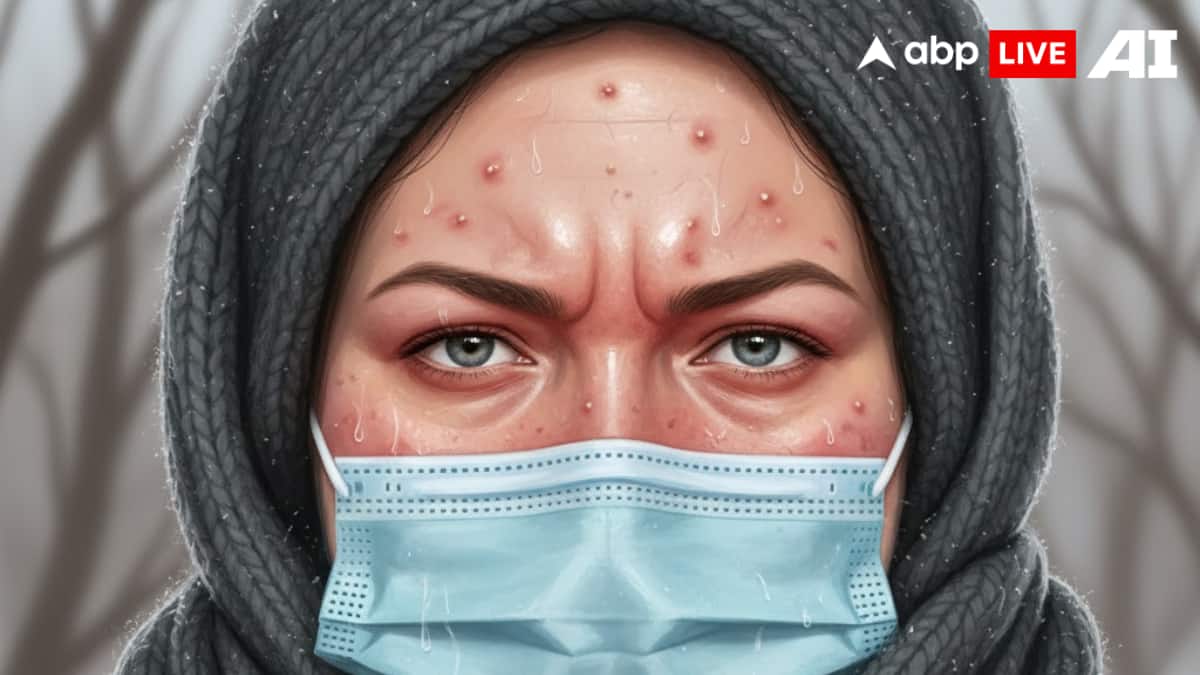
The combination of the winter dryness and the pollution accelerates acne formation and also brings about a dull and uneven skin tone. In even colder cities, as I said earlier, people make use of masks and scarves, and these cause a lot of trapping of oil on skin, dirt on skin, germs tend to grow because of contamination, and all this can also promote something we call maskne. Maskne continues through winter simply because occlusion increases the friction and irritation on already sensitive skin.
Then some lifestyles can also trigger acne during the winter. People tend to eat more sugar or fat, or oil-based foods. There is less water intake comparatively, and it can also be because physical activity is reduced, and all this can trigger acne.
Expert-Approved Skincare Tips To Prevent Winter Acne

An important step during the winter for skin care is to strengthen the skin barrier using gentle cleansers and moisturisers which are non-comedogenic, and similarly keep yourself well hydrated and shield against the pollution using antioxidants, and also you can make use of certain gentle cleansers. Antioxidants commonly used are vitamin C, niacinamide, which can work very well for your skin by reducing inflammation. Drink an adequate amount of water, around 2-2.5 litres of water every day.
Reduce all high glycaemic index foods or sugar containing foods. Use lukewarm water to wash your face, not very hot water, as that will damage the barrier of the skin. Also, see a dermatologist who can assess your skin and check if there are any hormonal changes or requirements that are necessary.
The author, Dr Pravin Banodkar, MBBS, DNB, DD (UK), FIDP Dermatology, is the Co-Founder and Lead Dermatologist of Skin Beyond Borders.
[Disclaimer: The information provided in the article is shared by experts and is intended for general informational purposes only. It is not a substitute for professional medical advice, diagnosis, or treatment. Always seek the advice of your physician or other qualified healthcare provider with any questions you may have regarding a medical condition.]
Check out below Health Tools-
Calculate The Age Through Age Calculator