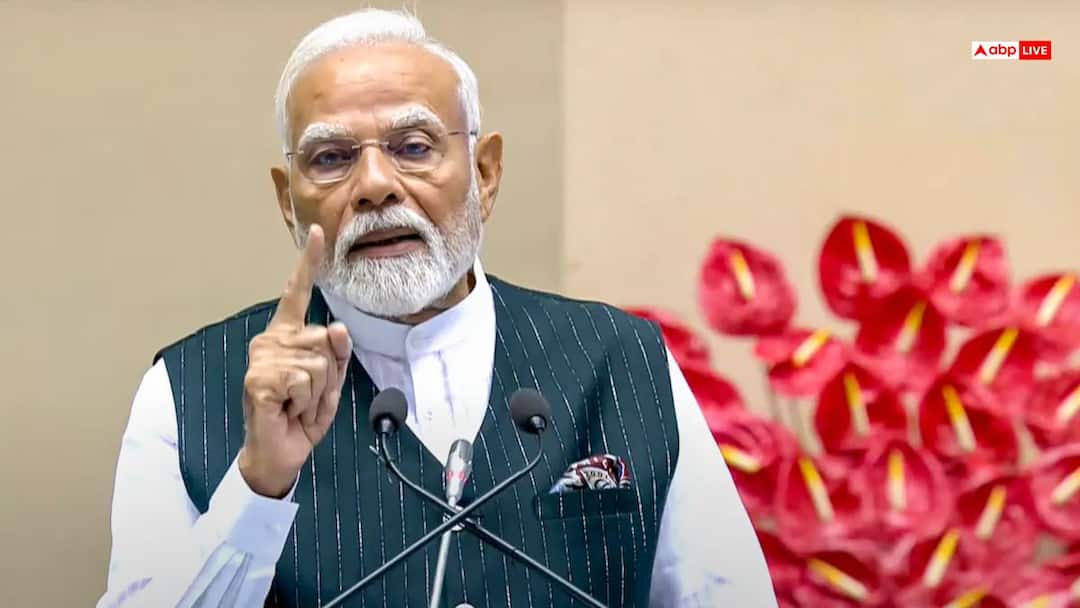

Prime Minister Narendra Modi is set to kick off a comprehensive debate in the Lok Sabha on Monday, marking the 150th anniversary of India’s national song, Vande Mataram. This momentous discussion promises to unveil several lesser-known and significant details about the iconic song, enriching public understanding of its historical and cultural importance.
The Parliament has earmarked a full 10 hours for this debate under the agenda titled “Discussion on the 150th anniversary of national song Vande Mataram.” Following the Prime Minister’s opening remarks, Defence Minister Rajnath Singh is expected to be the second key speaker. The debate will also feature notable voices from the opposition, including Congress Lok Sabha deputy leader Gaurav Gogoi and party leader Priyanka Gandhi Vadra, among others.
This parliamentary session is part of a year-long celebration honoring the 150 years since Bankim Chandra Chatterjee penned the famous poem, which was later composed into music by Jadunath Bhattacharya. The initiative aims to rekindle national pride and awareness, especially among India’s youth and students.
Prime Minister Modi has previously criticised the Congress for allegedly removing crucial stanzas from Vande Mataram in 1937, accusing the party of fostering divisions that contributed to India’s partition. On November 7, he officially launched these celebrations, emphasizing the song’s deep-rooted significance in India’s freedom movement and nationalism.
Government officials have expressed optimism that the debate will bring several “important and unknown facets” of Vande Mataram to light, offering fresh perspectives for the nation.
Meanwhile, in the Rajya Sabha, Home Minister Amit Shah is scheduled to open the discussion on Vande Mataram’s anniversary on Tuesday. Following him, Health Minister and Rajya Sabha leader J P Nadda will address the house.
In addition to the Vande Mataram debate, Parliament has slated discussions on election reforms for Tuesday through Thursday. These debates will cover all critical aspects, including the ongoing Special Intensive Revision (SIR) of electoral rolls, a highly contentious process drawing significant political attention.
The Winter session, which began on December 1, has already seen disruptions caused by opposition protests over the SIR, resulting in multiple adjournments. The preceding Monsoon session was largely ineffective as opposition demands to debate the same issue, then active in Bihar, stalled proceedings.