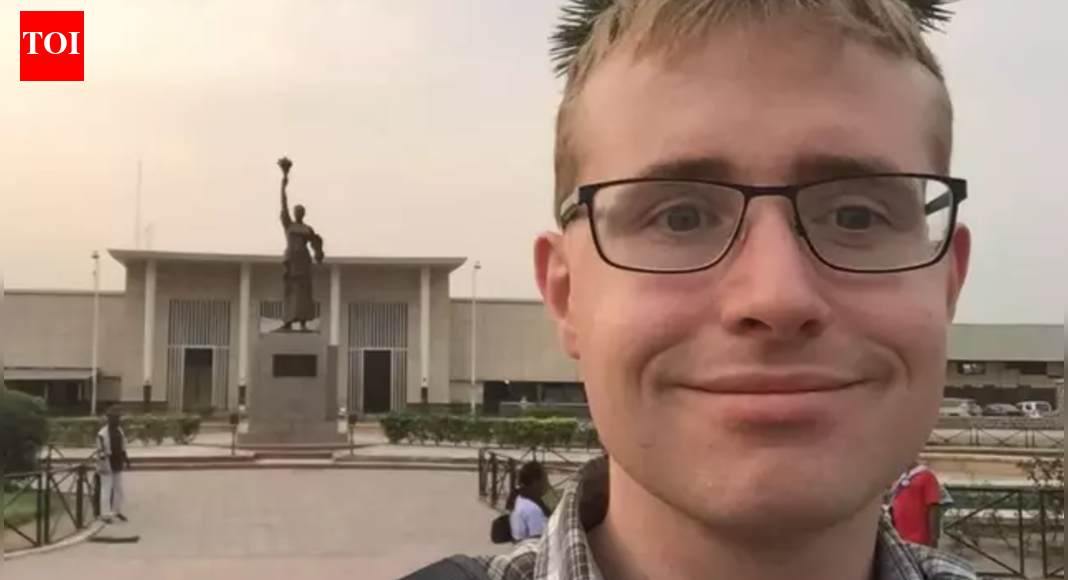

North Korean officials accused the traveller’s companion of “polluting their country” after discovering a selfie video of him scattering ashes at the DMZ/ Henrik Jeppesen
For most travellers, visiting twenty countries is an achievement. For Henrik Jeppesen, a Danish backpacker-turned-blogger, twenty was just the warm-up. By 28, he had stood in more than 2,000 destinations and set foot in every UN-recognised country, finishing with Eritrea. He has since settled down with a wife and son, but his years as a nomad gave him enough stories to fill several lifetimes. And one of the scariest stories happened in North Korea. Henrik had survived the Central African Republic (“the worst country I visited,” he once said), run out of water in Samoa, relied on strangers and priests and luck, yet he still insists he would “much rather live there than live in North Korea.” Because unlike everywhere else, North Korea is the only country in the world where you cannot move an inch without supervision. Independent travel is forbidden; you must stick with your government-approved guides. Any misstep, intentional or not, can count as a political act. And one misstep by Henrik’s travel companion nearly ended in prison.
The sentimental project that became a ‘big felony’
Henrik travelled to North Korea about ten years ago with a man who was on a deeply personal mission. His friend — one of the world’s most widely travelled, had died before finishing his goal of visiting every country. So the companion had taken on a tribute project: scatter the late friend’s ashes in every nation on Earth. It worked everywhere else. But North Korea was different.
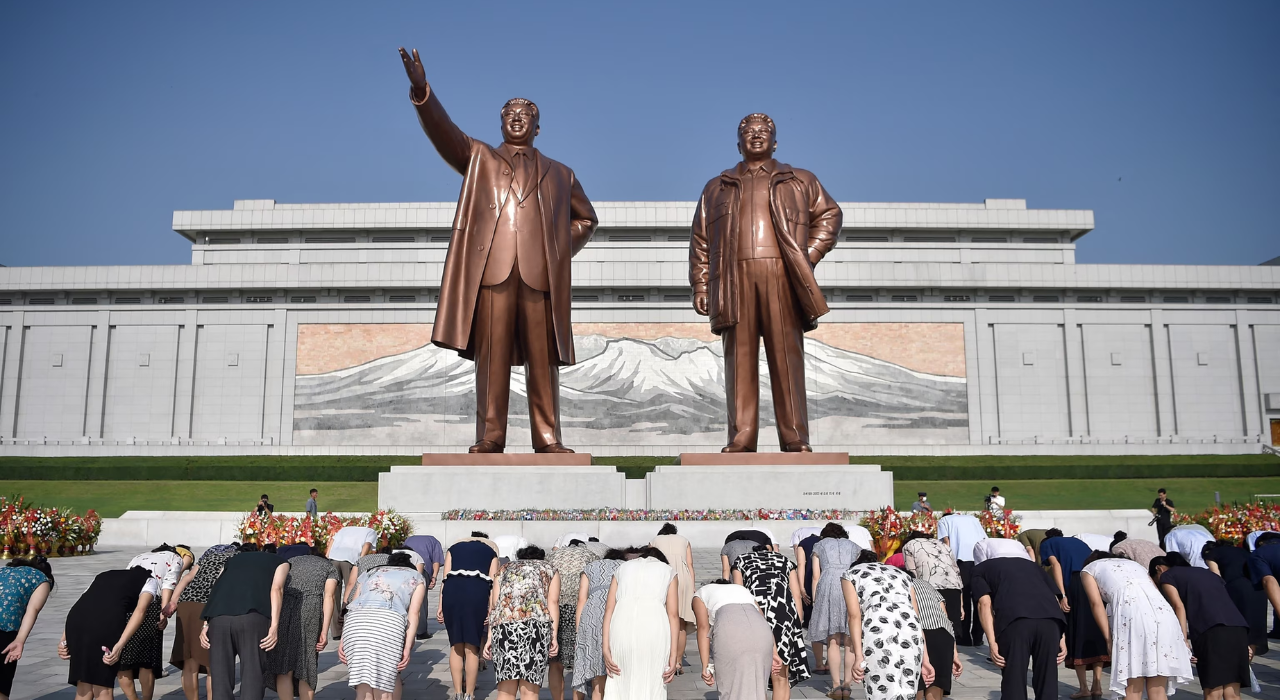
North Korea allows tourists only on tightly controlled, state-approved tours, where even small rule-breaks can trigger interrogation, confiscations and sudden detentions/ AFP via Getty Images
Henrik wrote on his blog Every Country in the World that his companion asked their guides for permission. Unsurprisingly, the answer was no. In a country where even photographing the wrong statue angle can get you in trouble, scattering foreign ashes was out of the question. Still, the man refused to abandon his project. He quietly went ahead anyway, and filmed a selfie video of himself spreading the ashes on the North Korean side of the DMZ, the heavily militarised border between the two Koreas. That one video nearly derailed both their lives.
Airport interrogation: the moment everything flipped
On the drive back to Pyongyang, the guides suddenly wanted to check his camera, a bad sign in a place where nothing is casual. He dodged the request, but the reprieve didn’t last. At Pyongyang International Airport, officials ordered him to hand over all electronic equipment. They combed through everything. Eventually, they found the video. Henrik recalled their fury: “He got into trouble because they found a video where he is filming himself doing it… I think this is a big felony.” The atmosphere flipped instantly. North Korean staff accused the companion of “polluting their country”, and more officials gathered. For the two Danes, the stakes became terrifyingly real. Henrik told reporters that watching the case of Otto Warmbier years later, the American college student arrested for allegedly taking a poster and who died days after returning to the US, made him think: that could easily have been me. “Probably more him than me, because he’s the one that did it, but I travelled with him so they could easily have put us into labour camps,” he said. Henrik wasn’t exaggerating the danger. Foreigners have been jailed for far less.
The apology letter that saved them
Their fate came down to a piece of paper. “We were extremely blessed to get out of North Korea alive and without going to prison, he wrote an apology letter to the Dear Leader, and that was the way we were allowed to leave North Korea,” Henrik said. The letter appeared to defuse the situation. The authorities decided that imprisoning two tourists could be bad publicity; or perhaps they simply lost interest. Henrik admits that chance played a role too. But as he remembers it, even departure wasn’t quiet: North Korean officials screamed at them at the airport, saying his companion had “polluted” the country. A crowd gathered. Uniforms, raised voices, uncertainty, all for a handful of ashes.
A country like no other
After everything, Henrik still calls North Korea: “the most interesting country in the world… the only country where you don’t have complete freedom to do what you want.” That “interesting” edge cuts both ways. For the tiny number of outsiders who enter, the country is a maze of unspoken rules, and the consequences for breaking them are unpredictable, often severe. Henrik and his friend were lucky. A sentimental gesture could easily have become a diplomatic crisis. And a tribute to a dead traveller could have ended with two more men disappearing behind North Korea’s walls. They made it out. Many haven’t. Go to Source