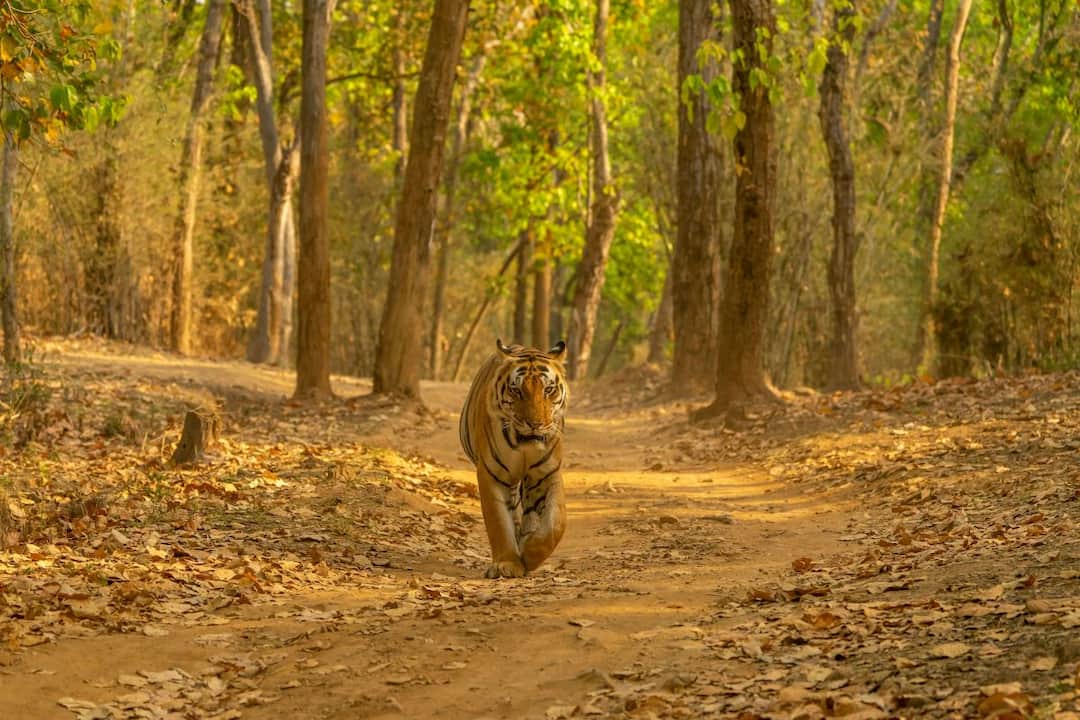

Lucknow: On World Wildlife Conservation Day, Uttar Pradesh showcased how carefully planned eco-tourism and conservation efforts can strengthen one another. With thriving forests, restored wetlands and rising wildlife numbers, the state is steadily building a model where nature protection and tourism progress hand in hand.
Massive Eco-Tourism Push Over Three Years
The UP Eco-Tourism Development Board has invested ₹161 crore across the state’s natural landscapes over the last three years:
- ₹21.04 crore in 2022–23
- ₹68.56 crore in 2023–24
- ₹72.30 crore in 2024–25
These funds were used to develop low-impact facilities like nature trails, birdwatching decks, viewing towers, eco-friendly gazebos, signage, small cafés and children’s activity zones. Each addition was designed to enhance visitor experience without disturbing fragile habitats.
Wildlife Numbers Surge in Terai Belt
Alongside tourism development, the Terai landscape is witnessing a major rise in wildlife presence. The 2025 wildlife assessment reports:
- Dudhwa Tiger Reserve: Over 1.13 lakh animals
- Katarniaghat Wildlife Division: Nearly 18,000
- Buffer zones: More than 14,000
Altogether, the Terai region now records over 1.45 lakh wild animals, a sharp jump from the nearly 92,000 counted in 2022.
This rise reflects stronger habitat protection, anti-poaching action, water source improvement, grassland restoration, and continuous monitoring by forest teams. The growing presence of tigers and rhinos signals that habitats are stabilising.
Forests Turn Into Preferred Nature Destinations
Wildlife zones such as Dudhwa, Pilibhit, Katarniaghat, Amangarh and Sohagibarwa are drawing an increasing number of families, students, photographers, and nature enthusiasts. Conservation-led tourism is also expanding across Braj, the Ganga region, Bundelkhand, and Vindhya.
Community at the Heart of Conservation
A major pillar of Uttar Pradesh’s conservation-tourism model is local participation.
Nature guides trained in Dudhwa, Pilibhit and Katarniaghat help visitors understand wildlife behaviour. The Tharu community has joined eco-tourism through homestays, traditional cuisine and handicrafts — creating sustainable livelihoods and strengthening protection of the forests they live beside.
Long-Term Vision: Viksit UP @ 2047
Eco-tourism was a central discussion point at the Viksit Uttar Pradesh @ 2047 Tourism Workshop. Experts highlighted the potential of:
- refurbishing forest rest houses
- creating more nature-learning programmes
- developing butterfly trails and wetland circuits
- expanding guided jungle safaris
The Shaheed Chandra Shekhar Azad Bird Sanctuary, which now hosts over 85 butterfly species, was showcased as a prime example of nature-driven tourism growth.
Under its long-term strategy, Uttar Pradesh aims to:
- grow tourism without harming sensitive habitats
- maintain clean, regulated wilderness sites
- ensure tourism revenue supports local communities
- encourage school and college learning tours
- prioritise awareness over crowding
- protect habitats through constant monitoring
These goals bind conservation, community livelihoods and visitor experience into a single, sustainable framework.
‘Eco-Tourism Strengthens Conservation’
“Eco-tourism is not an add-on for us; it is central to Uttar Pradesh’s 2047 vision. If conservation is strong, tourism grows; if tourism is responsible, conservation becomes stronger,” Tourism and Culture Minister Jaiveer Singh said. He emphasised that the state’s forests are attracting more nature lovers than ever, and the priority is to make their experience safe, responsible and memorable.
A Growing Blueprint for Sustainable Travel
With rising wildlife numbers, eco-friendly infrastructure, active forest involvement, trained community guides and homestays, Uttar Pradesh is crafting a strong conservation-tourism model. The state now aims to position its forests as key contributors to environmental protection, local income, and sustainable travel in the years ahead.