
Last Updated:
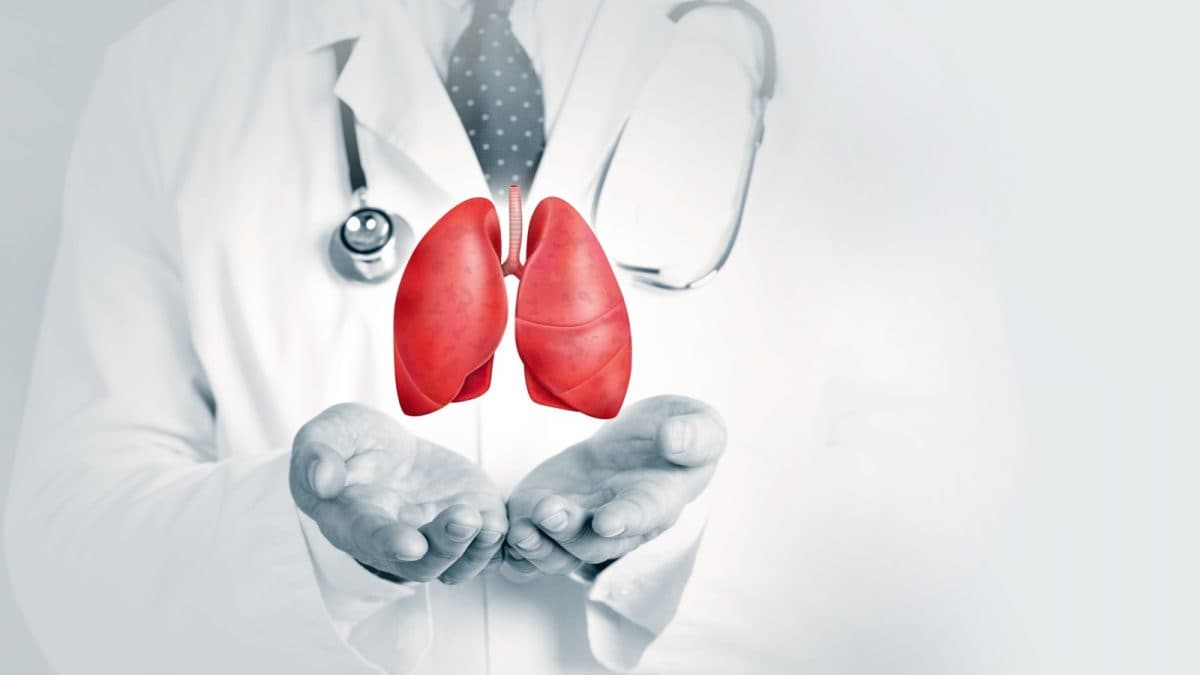
Lung transplantation may be a complex medical triumph, but at its core, it is a human story of breath restored and life reclaimed. And those are stories worth telling.



According to the Global Burden of Diseases Report, 2017, India carries one of the world’s highest burdens of chronic respiratory diseases, accounting for 15.69% of global cases and a staggering 30.28% of global deaths
When it comes to organ transplantation, few journeys are as complex, emotionally charged, and under-acknowledged as lung transplants. While heart, kidney, and liver transplant stories occasionally find their way into the public domain, survivor stories of lung transplants remain rare. This silence is not due to a lack of medical progress or need, it stems from a narrative gap that urgently needs bridging.
Dr. Kapil Iyer, Consultant Transplant Pulmonologist, Apollo Hospitals Navi Mumbai, explains, “Lung transplants represent one of the most difficult yet life-saving medical journeys. The problem is not that these stories don’t exist it’s that they aren’t being told.”
Recommended Stories
The Silent Crisis: India’s Lung Disease Burden
According to the Global Burden of Diseases Report, 2017, India carries one of the world’s highest burdens of chronic respiratory diseases, accounting for 15.69% of global cases and a staggering 30.28% of global deaths. This means that while Indians form a smaller share of global patients, they disproportionately bear the brunt of mortality.
“For many patients with end-stage lung disease, a transplant is the only lifeline left,” says Dr. Iyer. “Unlike kidneys, where dialysis can sustain life temporarily, or livers, where living donors can step in, there is no backup for lungs. A cadaveric transplant is the only option.”
Why Are Survivor Stories Missing?
Despite progress in deceased organ donation in India with transplants rising from 2,265 in 2016 to 2,935 in 2023, lung transplants remain far less visible compared to kidneys or livers. Dr. Iyer outlines the reasons:
High Risk and Complexity
“Lung transplants are among the most challenging procedures in organ transplantation,” explains Dr. Iyer. Survivors face a demanding regimen of lifelong immunosuppressants, infection risks, and frequent hospital visits. While many go on to live fulfilling lives, the journey often feels too medicalized, fragile, or private to share publicly.
Cultural and Social Hesitations
In India, conversations around lungs are often tied to stigma whether it is smoking-related disease, tuberculosis scars, or industrial pollution. Survivors may hesitate to come forward, fearing judgment, pity, or misunderstanding.
Focus on Donation, Not Survivorship
Public campaigns highlight the noble act of organ donation but rarely showcase transplant survivors who embody the success of that generosity. “We hear about donation drives and statistics, but less about what happens after,” Dr. Iyer notes.
What Makes Lung Transplants Possible in India?
Despite these barriers, India has seen steady growth in transplant capacity. According to Dr. Iyer, four pillars make lung transplants feasible here:
High burden of end-stage lung disease: Sadly, the large number of patients drives demand and advancements.
Robust deceased organ donation system: Though uneven across states, India’s network has strengthened over the last decade.
Competent medical and surgical teams: Pioneering hospitals now have highly skilled teams capable of handling complex transplants and aftercare.
Institutional alignment: Coordinated frameworks between hospitals, government bodies, and organ donation organizations ensure efficient organ retrieval and allocation.
“Survival is not a miracle,” Dr. Iyer emphasizes. “It is the outcome of science, teamwork, and systemic progress. Yet the human stories behind these successes remain unheard.”
Why Survivor Stories Matter
Every untold survivor story is a missed opportunity. Narratives inspire hope, normalize treatment, reduce stigma, and motivate families to consider organ donation.
“For a patient gasping for breath on oxygen support, hearing someone say, ‘I was where you are, and now I can walk my child to school,’ can mean the difference between despair and determination,” says Dr. Iyer.
Globally, countries with higher transplant awareness often weave survivor stories into mainstream conversations through media, documentaries, and public campaigns. In India, where cultural storytelling is deeply ingrained, this approach could bridge the gap more effectively than statistics alone.
Bridging the Gap: What Can Be Done?
Dr. Iyer suggests several steps to close the narrative gap:
Encourage patient advocacy – Hospitals and NGOs can create platforms where survivors feel safe to share.
Humanize awareness campaigns – Balance donation drives with uplifting survivor stories.
Media sensitization – Journalists covering health stories should seek survivor voices alongside expert insights.
Community role models – Survivors who are willing to share can become ambassadors of hope.
A Call to Shift the Conversation
The rise in deceased organ donations in India from 930 donors in 2016 to 1,099 in 2023 is a heartening sign. The average number of transplants per donor has also increased, showing how institutional alignment and medical excellence are saving more lives.
But numbers alone are not enough. “To truly transform outcomes, we must give survivors a voice,” says Dr. Iyer. “By sharing these stories, we honor patient resilience, inspire future recipients, and reinforce the life-changing impact of every donor family’s decision.”
Lung transplantation may be a complex medical triumph, but at its core, it is a human story of breath restored and life reclaimed. And those are stories worth telling.
About the Author

Swati Chaturvedi, a seasoned media and journalism aficionado with over 10 years of expertise, is not just a storyteller; she’s a weaver of wit and wisdom in the digital landscape. As a key figure in News18 Engl…Read More
Swati Chaturvedi, a seasoned media and journalism aficionado with over 10 years of expertise, is not just a storyteller; she’s a weaver of wit and wisdom in the digital landscape. As a key figure in News18 Engl… Read More
Loading comments…
Go to Source
Author: News18