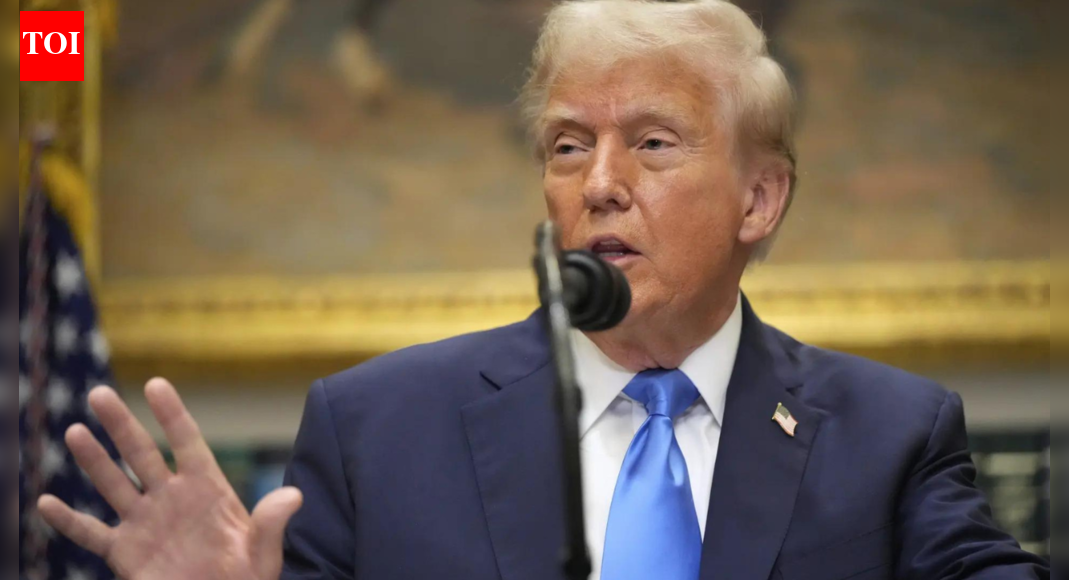

The Trump administration has unveiled a fresh set of regulatory rollbacks targeting the Endangered Species Act (ESA), a move that experts and environmental groups warn could deepen risks for vulnerable wildlife across the US. The proposals revive and expand efforts from Trump’s first term, many of which were blocked by courts or reversed by the Biden administration, and would reshape how threatened and endangered species are protected.
Trump pushes economic interests over habitat protection
Under the new plan, federal agencies would gain greater authority to consider economic impacts when designating critical habitats. Environmental organisations say this marks a significant shift from the ESA’s long-standing practice of relying primarily on scientific evidence when determining habitat needs. Critics argue the change could increase development pressures in ecologically sensitive areas by opening them to mining, drilling, logging and other industrial projects.The proposal would also narrow the definition of “critical habitat” by excluding areas not currently occupied by a species, even if those landscapes were historically part of their range or could be necessary for future recovery. Scientists caution that this approach may limit the ability of species to adapt to changing conditions, including climate-related shifts in habitat. Trump officials argue that the Endangered Species Act has become overly restrictive and needs to be realigned with its original intent, claiming that automatic protections for threatened species, broad habitat designations and consideration of future climate threats impose unnecessary burdens on landowners, states and key industries.
Climate safeguards and automatic protections revised
The administration also seeks to change how regulators account for future threats, such as projected climate impacts. Environmental advocates say this would make it harder to protect species whose habitats are expected to become threatened in the coming decades.Another major change involves removing the long-standing “blanket rule” that automatically grants newly listed threatened species the same protections as endangered ones. Instead, protections would be created on a species-by-species basis. Conservation groups argue this could result in delays at a time when many species are experiencing rapid declines. Observers also note that staffing constraints within wildlife agencies could exacerbate the time needed to complete these tailored rules, although the administration has not directly linked staffing levels to the proposed changes.
Conservationists warn of increased extinction risk
Environmental groups were quick to condemn the proposal. Stephanie Kurose of the Center for Biological Diversity said the package “creates a blueprint for the extinction of some of America’s most beloved wildlife”, pointing to species such as wolverines, monarch butterflies and Florida manatees as being particularly vulnerable. Critics describe the plan as part of a broader pattern of efforts to reduce environmental protections in favour of increased resource development.Administration officials dispute that characterisation, arguing the revisions bring the ESA closer to its original framework while easing regulatory burdens on landowners and industries. Interior Secretary Doug Burgum said the rules would protect species while respecting “the livelihoods of Americans who depend on our land and resources”. Fish and Wildlife Service director Brian Nesvik said the administration supports “conservation that works hand in hand with America’s energy, agricultural and infrastructure priorities”.
Rollbacks come amid a global biodiversity emergency
The proposals arrive at a time when species worldwide are facing increasing pressure from habitat loss, climate change, pollution and human activity. A 2019 assessment by the Intergovernmental Science-Policy Platform on Biodiversity and Ecosystem Services estimated that around one million species are at risk of extinction. Scientists warn that the loss of a single species can have cascading effects on broader ecosystems, especially when keystone species decline.With a new 30-day comment period opening on Friday, environmental organisations are preparing for another robust public response. Kristen Boyles of Earthjustice said the administration “misjudges the public’s commitment to protecting wildlife”, arguing that most Americans do not want protections weakened in ways that could benefit corporate interests. Go to Source