
 "Supreme Court nod to Vantara elephant care, says nothing wrong in moving temple jumbos")

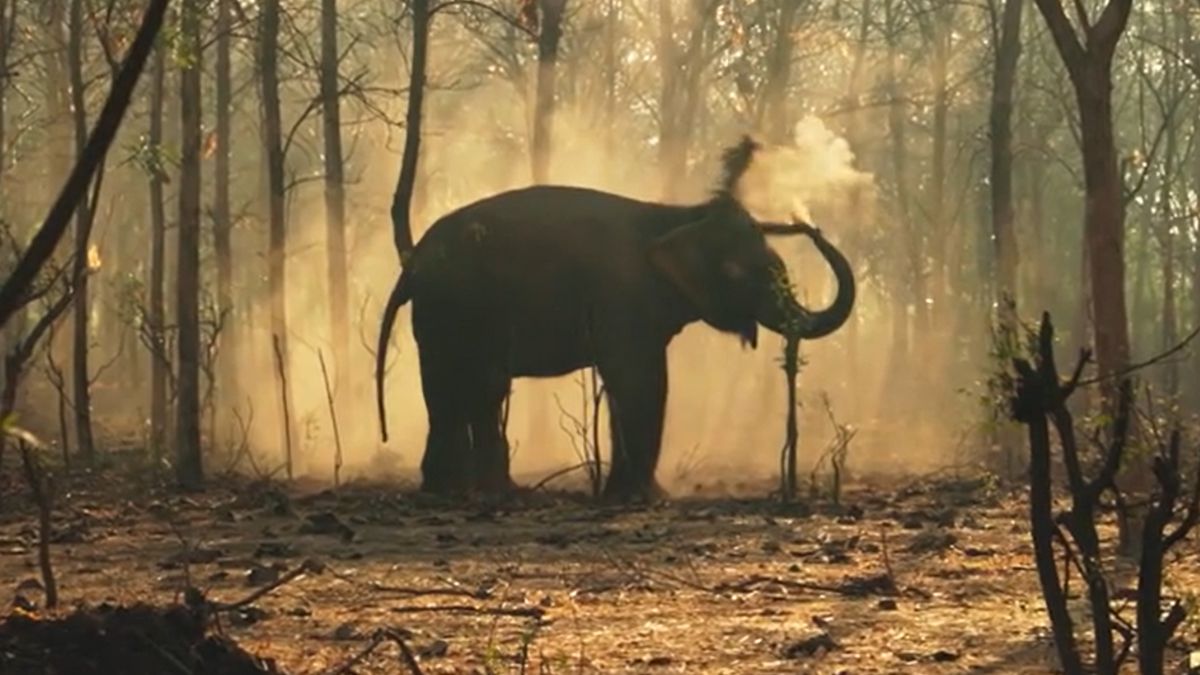
The Supreme Court of India on Monday gave a clear nod to the transfer of temple elephants to Reliance Foundation’s Vantara facility in Jamnagar, Gujarat, noting that there was “nothing wrong” with the process so long as regulatory procedures were followed. The ruling came during a hearing of a public interest litigation (PIL) that challenged the movement of elephants to the wildlife rescue and rehabilitation centre.
A bench comprising Justices Pankaj Mithal and PB Varale highlighted that the Special Investigation Team (SIT) it had earlier constituted had already examined the matter in detail and expressed satisfaction with compliance measures. “Acquisition of animals is within the regulatory mechanism,” Justice Mithal said while orally summarising the findings, a LiveLaw report said.
SIT findings bring relief to Vantara
The four-member SIT was formed in August 2025 after allegations surfaced against Vantara over unlawful animal acquisitions, welfare violations and financial irregularities. Headed by former Supreme Court judge Justice Jasti Chelameswar, the team included Justice Raghavendra Chauhan, former Mumbai Police Commissioner Hemant Nagrale and IRS officer Anish Gupta. Their mandate was to conduct an “independent factual appraisal” of the complaints, examining issues ranging from compliance with the Wildlife (Protection) Act, 1972 to adherence with international conventions such as CITES.
The SIT carried out on-site inspections at Vantara, interacted with regulators, intervenors and independent experts and reviewed documentation regarding the acquisition and care of animals, particularly elephants. The confidential report, submitted in sealed cover on September 12, 2025, found no evidence of foul play. Instead, it concluded that Vantara’s acquisition of animals—including temple elephants—had been carried out under regulatory oversight.
Objections over confidentiality of report
During the hearing, Senior Advocate Harish Salve, representing Vantara, argued that while the facility had fully cooperated with the SIT, parts of the report contained sensitive and proprietary information that should not be made public. He noted that Vantara had invested heavily in developing veterinary and husbandry practices with the help of international experts and the disclosure of operational details could compromise both confidentiality and competitiveness.
Salve cautioned against the release of the full report, pointing out that global narratives around animal welfare often come from countries that permit hunting but raise objections when India undertakes large-scale rescue and rehabilitation. He expressed concern that selective information could be used to “bring down” India’s efforts if misrepresented internationally.
The apex court acknowledged these concerns and indicated that while the SIT report would be placed on record, it would not allow it to become the basis for speculation or further litigation unless warranted. Justice Mithal reassured all parties that “unnecessary allegations must not be made now that an independent body has found no foul play”.
Allegations that triggered the probe
The SIT’s formation followed petitions that accused Vantara of unlawful acquisition of elephants and other animals from both Indian states and abroad as well as mistreatment in captivity. Additional claims touched on financial irregularities, money laundering and misuse of biodiversity resources. Critics also raised questions about the suitability of housing elephants near an industrial zone citing climatic and environmental concerns.
However, the court noted that many of these allegations were based on media reports and hearsay. To ensure clarity, it decided to form its own fact-finding SIT rather than relying solely on contested claims.
Judges stress pride in Indian conservation efforts
In their oral remarks, the justices appeared keen to situate the case within a broader narrative of national pride. Justice Mithal observed that elephants hold cultural significance in India, often used in temples, processions and festivals such as Mysuru’s famed Dussehra celebrations. He asked rhetorically, “If the acquisition of an elephant is in accordance with the law, what is the difficulty?”
The bench also cautioned against unnecessarily stirring controversy over initiatives that bring global recognition to Indian conservation. “Allow certain good things to happen to the country. We should be happy about all these good things,” the court remarked, highlighting the importance of encouraging private conservation initiatives when they operate within the law.
Vantara: A global-scale wildlife initiative
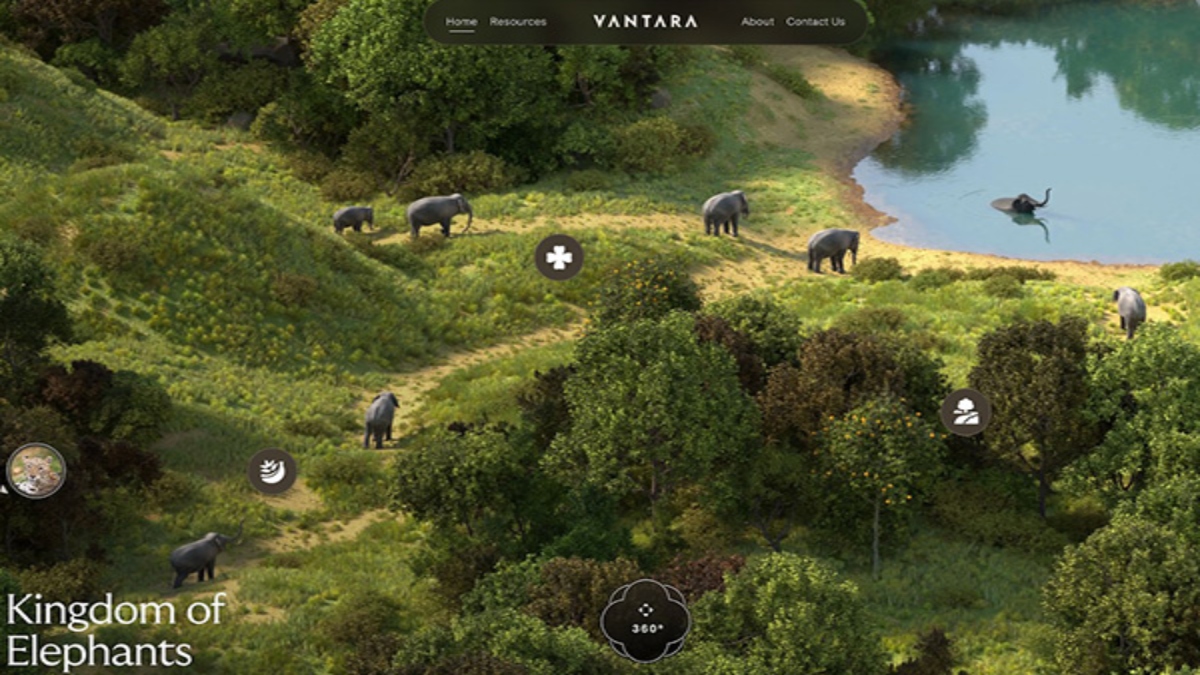
Spread across thousands of acres within Reliance’s refinery complex in Jamnagar, Vantara has emerged as one of the largest privately run animal care facilities in the world. Conceptualised by Anant Ambani under the Reliance Foundation, it provides shelter and veterinary care for elephants and other rescued wildlife. The centre hosts conservation programmes, animal rescue operations and veterinary infrastructure on a scale rarely seen in the private sector.
Vantara has positioned itself as not just a sanctuary but also a model for public-private collaboration in conservation. Its operations include both domestic rescues—such as elephants transferred from temples and circuses—and international transfers conducted under regulatory frameworks. Reliance Foundation has maintained that its work aligns with India’s commitments under wildlife protection laws and international conventions.
Reactions beyond the courtroom
While the Supreme Court’s decision effectively closes the chapter on allegations of illegality, public debate continues. Supporters of Vantara argue that the initiative represents a forward-looking model of animal welfare offering captive elephants better care than traditional temple or circus environments. Critics, however, remain wary of large-scale private control of wildlife questioning whether conservation can remain truly altruistic when tied to corporate initiatives.
International scrutiny has also shaped the discourse. According to Harish Salve, objections from certain quarters abroad stem less from genuine animal welfare concerns and more from unease over India’s growing presence in global conservation. By building one of the world’s largest privately managed wildlife sanctuaries, India has challenged traditional narratives dominated by Western conservation models.
Court closes the matter
Concluding the hearing, the bench said it was satisfied with the SIT’s findings and appreciated the committee’s prompt work. The Supreme Court suggested that the members of the SIT be provided honoraria for their services noting the significance of their independent role. By formally accepting the report and choosing not to interfere further, the Supreme Court effectively ended judicial oversight of the matter leaving it to regulators to monitor compliance in the future.
The ruling, therefore, marks a decisive moment not only for Vantara but also for India’s evolving approach to wildlife care and conservation. By upholding the legality of the transfer of temple elephants, the apex court reinforced the principle that lawful private initiatives can play a meaningful role in complementing state efforts in animal welfare.
Looking ahead
The Supreme Court’s nod is likely to embolden similar public-private conservation partnerships in India. Yet the case also highlights the delicate balance between transparency and confidentiality in managing large-scale animal care facilities. While courts and regulators must ensure compliance with laws, the preservation of proprietary veterinary knowledge and conservation methods may become increasingly relevant as India scales up such initiatives.
For now, the country’s highest court has affirmed that Vantara’s work stands on firm legal ground. By doing so, it has sent a clear message: when procedures are followed, moving temple elephants to modern care centres is not just permissible but potentially a matter of national pride.”
Disclosure: Firstpost is a part of the Network18 Group. Network18 is controlled by Independent Media Trust, of which Reliance Industries is the sole beneficiary.
End of Article
 "Supreme Court SIT gives clean chit to Vantara in Jamnagar, finds no violations")

&description=Supreme+Court+nod+to+Vantara+elephant+care%2C+says+nothing+wrong+in+moving+temple+jumbos)