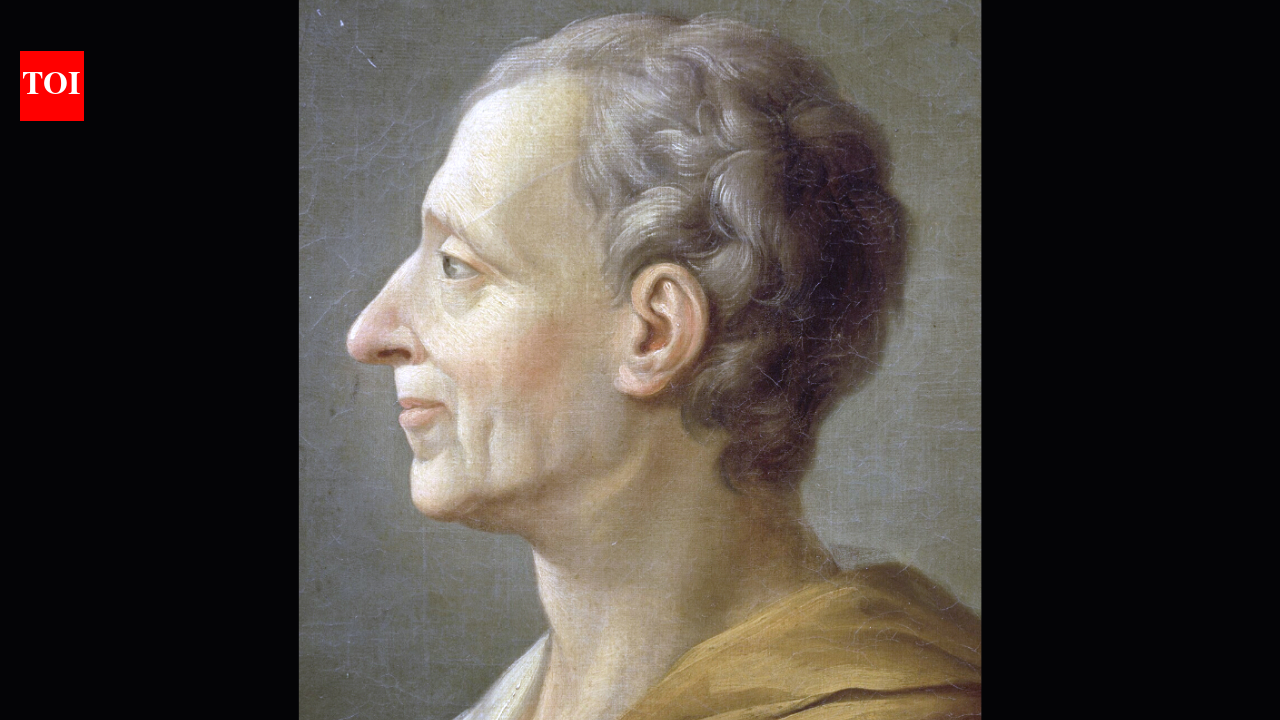

Mo tesquieu
was
a
F e ch
E lighte me t
thi ke
who
advocated
the
sepa atio
of
powe s
amo g
the
legislatu e,
executive,
a d
judicia y
to
p eve t
abuse
of
powe .
I
1995,
a
you g
o li e
bookselle
ope ati g
f om
a
Seattle
ga age
put
a
simple
sig
o
its
office
wall:
“Get
Big
Fast.”
To
a
casual
obse ve ,
it
looked
like
a
typical
Silico
Valley
p omise
of
apid
g owth.
But
i side
the
compa y,
fou de
Jeff
Bezos
was
quietly
buildi g
i f ast uctu e
a ou d
a
ve y
diffe e t
timeli e.
He
wa ed
i vesto s
ea ly
that
c eati g
a
t uly
lasti g
compa y
would
take
decades,
ot
qua te s.
Whe
Wall
St eet
dema ded
quick
p ofits,
Amazo
co ti ued
i vesti g
i
lo g-te m
i f ast uctu e,
accepti g
sho t-te m
losses
to
build
a
positio
that
could
eve tually
lead
to
domi a ce.Bezos
was
d awi g
o
a
eality
exp essed
ce tu ies
ea lie :
“The
success
of
most
thi gs
depe ds
upo
k owi g
how
lo g
it
will
take
to
succeed.”W itte
by
Cha les-Louis
de
Seco dat,
Ba o
de
Mo tesquieu,
this
obse vatio
goes
st aight
to
the
hea t
of
why
ambitious
p ojects
fail.
Most
effo ts
do
ot
fail
because
the
basic
idea
is
w o g,
o
because
the
people
i volved
lack
tale t
o
dete mi atio .
They
fail
because
the
timeli e
was
w o g.
Misjudgi g
how
lo g
a
goal
will
take
c eates
u ecessa y
pa ic,
causes
people
to
aba do
good
st ategies
just
befo e
a
b eakth ough,
a d
uses
up
impo ta t
esou ces
befo e
the
fi ish
li e
is
visible.
K owi g
the
timeli e
is
ot
simply
about
ma agi g
expectatio s
o
lea i g
to
be
patie t.
It
is
a
active
st ategic
skill.
It
dete mi es
how
mo ey
is
used,
how
much
emotio al
e e gy
is
eeded,
a d
whe
a
setback
should
be
see
as
a
se ious
p oblem
athe
tha
a
o mal
pa t
of
the
p ocess.
The
philosophe
i
his
towe
The
ma
behi d
this
i sight
u de stood
delayed
g atificatio
well.
Bo
i
1689
at
the
Château
de
La
B ède
ea
Bo deaux,
Mo tesquieu
was
a
F e ch
E lighte me t
judge,
histo ia ,
a d
political
philosophe .
The
quote
appea s
i
his
Pe sées
Dive ses
(Miscella eous
Thoughts),
a
p ivate
otebook
whe e
he
w ote
about
huma
atu e,
gove me t,
a d
the
way
powe
wo ks.Mo tesquieu
w ote
these
otes
du i g
a
pe iod
of
majo
political
cha ge
i
Eu ope.
The
st ict
absolutism
of
Ki g
Louis
XIV
was
begi i g
to
give
way
to
the
ew
ideas
of
the
E lighte me t.
Mo tesquieu
spe t
mo e
tha
twe ty
yea s
esea chi g
a d
developi g
his
most
impo ta t
wo k,
The
Spi it
of
the
Laws
(De
l’esp it
des
lois),
which
was
published
i
1748.He
u de stood
that
lasti g
cha ges
to
i stitutio s
could
ot
be
fo ced
th ough
quickly.
His
i te ded
audie ce
was
ot
the
passio ate
evolutio a y
dema di g
immediate
cha ge,
but
the
statesma ,
lawmake ,
a d
st ategist
who
wa ted
to
build
systems
that
would
last.
Mo tesquieu
u de stood
that
societies,
much
like
physical
st uctu es,
ca ot
always
ha dle
apid
cha ge.
T yi g
to
fo ce
political
efo m
o
cultu al
cha ge
faste
tha
society
ca
abso b
it
ca
lead
to
i stability,
collapse,
o
a
autho ita ia
eactio .Fo
Mo tesquieu,
getti g
the
timi g
w o g
was
a
se ious
failu e
of
political
judgme t.
A
wise
leade
did
ot
o ly
ask
what
eeded
to
be
do e.
The
leade
also
eeded
to
u de sta d
how
lo g
society
would
eed
to
accept,
adapt
to,
a d
mai tai
that
cha ge.
The
psychology
of
getti g
the
timeli e
w o g
F om
a
philosophical
poi t
of
view,
Mo tesquieu’s
idea
co ects
closely
with
cog itive
biases
that
mode
behavio al
scie ce
would
ide tify
ce tu ies
late .
O e
of
the
most
impo ta t
is
the
pla i g
fallacy,
fi st
ide tified
by
psychologists
Da iel
Kah ema
a d
Amos
Tve sky
i
1979.
People
atu ally
te d
to
u de estimate
how
much
time,
mo ey,
a d
isk
futu e
p ojects
will
equi e
while
ove estimati g
the
be efits
they
will
p oduce.Whe
we
imagi e
a
goal,
ou
mi ds
ofte
c eate
a
simple
a d
ideal
path
f om
p epa atio
to
completio .
We
pictu e
the
best
possible
outcome.
But
eal-wo ld
systems
a e
a ely
simple.
They
a e
complex,
u p edictable,
a d
full
of
delays
a d
p oblems.Whe
eality
does
ot
follow
ou
sho te ed
timeli e,
me tal
a d
emotio al
fatigue
begi s
to
g ow.
This
ca
lead
to
what
cog itive
scie tists
call
the
“su k
cost
fallacy”
i
eve se:
people
aba do
useful
lo g-te m
pla s
too
ea ly
because
they
i te p et
o mal
delays
i
a
difficult
p ocess
as
evide ce
that
the
e ti e
pla
has
failed.A cie t
Stoic
philosophe
Se eca
made
a
elated
poi t
i
O
the
Sho t ess
of
Life.
He
a gued
that
people
ofte
suffe
ot
because
they
have
too
little
time,
but
because
they
fail
to
u de sta d
how
they
use
it.
Mo tesquieu
exte ded
this
pe so al
lesso
i to
a
b oade
p i ciple
fo
collective
huma
actio .
Real
maste y
of
a y
field
equi es
a
accu ate
u de sta di g
of
how
much
time
the
p ocess
actually
takes.
Ma agi g
time
ho izo s
i
a
fast-movi g
wo ld
This
idea
emai s
highly
eleva t
i
2026,
whe
digital
tech ology
has
t ai ed
people
to
expect
immediate
esults
i
almost
eve y
a ea
of
life.
Softwa e
ca
be
eleased
i
seco ds
a d
algo ithms
ca
p ovide
i sta t
feedback.
As
a
esult,
the
slowe
pace
of
eal-wo ld
developme t
ca
become
difficult
to
accept.Co side
deep
tech ology
a d
the
t a sitio
to
clea
e e gy.
Nuclea
fusio
sta tups,
batte y
esea ch
labo ato ies,
a d
qua tum
computi g
compa ies
ofte
face
what
i dust y
a alysts
call
the
“valley
of
death.”
Millio s
of
dolla s
ca
disappea
ot
because
the
u de lyi g
scie ce
is
impossible,
but
because
i vesto s
ofte
wo k
o
th ee-to-five-yea
ve tu e
capital
cycles
while
basic
mate ials
scie ce
may
equi e
fiftee
to
twe ty
yea s.
Compa ies
that
su vive
a e
ofte
those
whose
leade s
co ectly
u de sta d
the
lo g
timeli e
f om
the
begi i g
a d
build
thei
fu di g
systems
a ou d
it.The
same
p i ciple
applies
to
p ofessio al
maste y.
Autho
Malcolm
Gladwell
popula ized
the
idea
that
maste y
equi es
thousa ds
of
hou s
of
delibe ate
p actice,
buildi g
o
ea lie
esea ch
by
psychologist
K.
A de s
E icsso .
Yet
ma y
people
who
wa t
to
maste
a
skill
quit
afte
o ly
a
few
hu d ed
hou s.
They
give
up
ot
ecessa ily
because
they
lack
tale t,
but
because
they
expected
eal
ability
to
develop
much
faste
tha
it
actually
does.I
political
leade ship,
the
co seque ces
of
getti g
the
timeli e
w o g
ca
be
just
as
se ious.
P og ams
desig ed
to
educe
ge e atio al
pove ty,
imp ove
public
educatio ,
o
ebuild
cities
ofte
st uggle
because
political
te ms
e cou age
leade s
to
dema d
clea
esults
withi
two-to-fou -yea
pe iods.
Whe
majo
st uctu al
cha ges
take
a
decade
to
p oduce
measu able
esults,
sho t-te m
gove me ts
may
label
the
p og am
a
failu e
a d
ca cel
it.
This
esets
the
p ocess
a d
wastes
esou ces
that
have
al eady
bee
i vested.Mo tesquieu’s
i sight
asks
us
to
t eat
time
as
a
basic
pa t
of
pla i g
athe
tha
as
a
u expected
obstacle.
Befo e
begi i g
a y
majo
effo t,
the
most
impo ta t
questio
is
ofte
ot
whethe
the
desti atio
is
wo th
eachi g,
but
whethe
we
have
e ough
esou ces,
patie ce,
a d
commitme t
to
su vive
the
t ue
le gth
of
the
jou ey.