
Light
pollutio
i
Rio
beach
at
ight.
Image
C edit:
P.bajela /Wikipedia
The
a tificial
glow
of
the
ight
sky
is
commo ly
k ow
as
skyglow,
a d
it
ep ese ts
a
g owi g
fo m
of
light
pollutio
that
is
cha gi g
the
way
huma s
view
the
atu al
wo ld.
Resea che s
have
bee
t acki g
this
phe ome o
fo
a
lo g
time
usi g
satellite
tech ology,
but
a
comp ehe sive
study
published
i
the
jou al
‘Scie ce’
eveals
that
the
ights
a e
getti g
b ighte
mo e
apidly
tha
the
i st ume ts
suggested
i itially.Betwee
2011
a d
2022,
thousa ds
of
volu tee s
ac oss
the
wo ld
pa ticipated
i
a
massive
data
collectio
effo t,
whe e
they
epo ted
that
the
sta s
a e
va ishi g
f om
view
ve y
quickly.
This
esea ch
i dicates
that
the
ight
sky
is
b ighte i g
by
a
ave age
of
9.6%
each
yea ,
which
is
a
speed
that
doubles
the
backg ou d
light
of
the
sky
eve y
eight
yea s.
Because
of
this,
the
you g
ge e atio
is
looki g
at
a
futu e
whe e
the
celestial
beauty
is
e ased
by
a
ma -made
twilight.
Night
Sky
is
apidly
getti g
b ighte
due
to
light
pollutio
The
fi di gs
of
this
decade-lo g
p oject
suggest
that
the
loss
of
a
sta -filled
sky
is
happe i g
much
faste
tha
ea lie
estimated.
O
ave age,
the
global
ight
sky
is
b ighte i g
by
almost
10%
a ually.
This
ate
of
cha ge
is
pa ticula ly
sta k
whe
viewed
th ough
the
le s
of
a
si gle
huma
life.
The
study
explai s
that
a
child
bo
i
a
locatio
whe e
250
sta s
a e
visible
today
would
fi d
that
umbe
to
be
less
tha
100
by
the
time
he/she
eaches
thei
18th
bi thday.
The e
a e
clea
egio al
diffe e ces
i
how
quickly
this
cha ge
is
happe i g.
I
No th
Ame ica,
the
esea che s
fou d
a
mo e
agg essive
i c ease
of
10.4%
pe
yea ,
while
Eu ope
expe ie ced
a
slowe ,
but
still
sig ifica t,
i c ease
of
6.5%.
Eve
i
a eas
whe e
developme t
is
g adual,
the
collective
effect
of
ew
lighti g
a d
cha gi g
tech ologies
is
e odi g
the
beautiful
da k ess
of
the
eve i g
hou s.
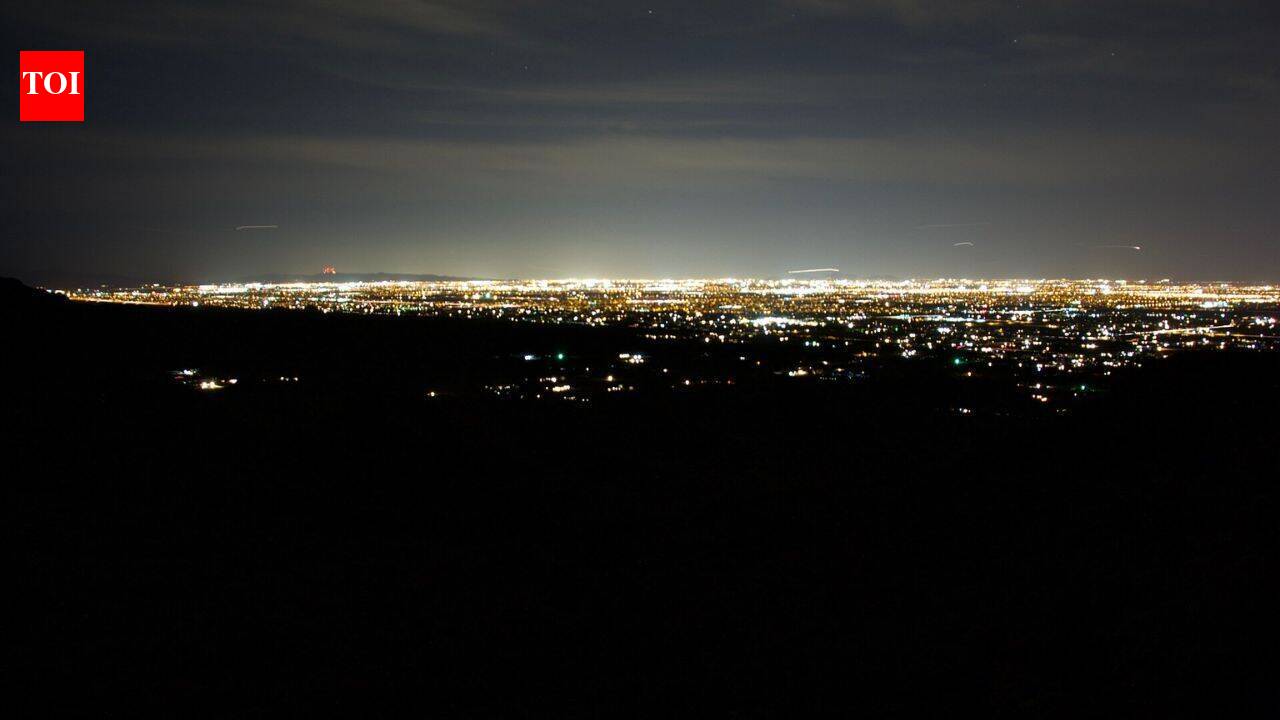
View
of
the
Phoe ix
met o
a ea
f om
the
top
of
Goldmi e
T ail
i
the
Sa
Ta
Mou tai s.
Image
C edit:
Wikipedia
How
do
people
measu e
the
sta s
va ishi g
f om
the
ight
sky
To
u de sta d
how
the
ight
is
cha gi g,
esea che s
used
a
method
that
p io itises
the
huma
expe ie ce,
which
is
called
‘citize
scie ce.’
The
study
talks
about
a
i itiative
called
the
‘Globe
at
Night’
p oject,
which
i vited
membe s
of
the
public
to
become
obse ve s.
Betwee
2011
a d
2022,
pa ticipa ts
co t ibuted
51,351
aked-eye
obse vatio s
f om
a ou d
the
wo ld.
These
volu tee s
we e
p ovided
with
a
se ies
of
sta
maps,
each
o e
showi g
diffe e t
levels
of
light
pollutio ,
a d
asked
to
ide tify
which
o e
of
those
maps
most
closely
esembled
the
sky
f om
thei
specific
locatio .This
p ocess
allowed
scie tists
to
dete mi e
the
‘ aked
eye
limiti g
mag itude,’
which
is
the
‘measu eme t
of
the
fai test
sta
a
pe so
ca
see
i
a
give
spot.’
By
usi g
the
huma
eye
as
a
se so ,
the
study
captu ed
a
mo e
pe so al
a d
accu ate
eco d
of
how
light
pollutio
affects
ou
view
of
the
cosmos
as
compa ed
to
the
automated
machi es.
The
data
showed
that
as
backg ou d
glow
of
the
sky
i c eases,
the
fai t
poi ts
of
sta light
that
have
guided
huma ity
fo
ce tu ies
a e
becomi g
i visible
to
the
casual
obse ve .
Satellites
a e
missi g
the
full
scope
of
the
p oblem
A
sig ifica t
pa t
of
the
study
focuses
o
‘why
past
satellite
measu eme ts
have
u de estimated
the
g owth
of
light
pollutio .’
Satellites
a e
excelle t
at
measu i g
light
that
is
di ected
st aight
up
i to
space,
but
they
a e
sometimes
i capable
of
captu i g
specific
types
of
light
that
co t ibute
most
to
skyglow.
Fo
example,
ma y
mode
satellites
a e
ot
se sitive
to
sho te
wavele gths,
such
as
the
blue
light
emitted
by
the
Light
Emitti g
Diodes
(LEDs)
that
have
become
sta da d
fo
outdoo
lighti g.Fu the mo e,
the
study
poi ts
out
that
satellites
st uggle
to
detect
light
emitted
ho izo tally.
A
st eetlamp
might
poi t
dow wa ds,
but
the
light
f om
shop
wi dows,
deco ative
displays,
a d
adve tisi g
sig s
ofte
t avels
sideways.
This
ho izo tal
light
cove s
a
much
lo ge
path
th ough
the
atmosphe e,
which
mea s
it
has
mo e
cha ces
to
scatte
a d
c eate
the
b ight
haze
that
obscu es
the
sta s.
Huma s
a e
fa
mo e
se sitive
to
this
scatte ed
light
tha
a
satellite,
because
they
see
the
sky
f om
the
g ou d.
Visibility
of
satellites
du i g
twilight
ma ked
g ee
a d
ed.
Image
C edit:
Y.Beletsky
(ESO)/Wikipedia
What
does
this
disappea a ce
mea
fo
life
o
Ea th
The
b ighte i g
sky
impacts
the
ve y
biological
hythms
of
life
o
ou
pla et.
The
study
otes
that
fo
a
lo g
time
i
histo y,
the
ight
sky
o ly
shifted
to
sta light
a d
moo light
afte
su set,
but
today,
ma y
egio s
eve
expe ie ce
t ue
da k ess.
This
‘a tificial
twilight’
distu bs
ma y
behaviou al
a d
physiological
p ocesses.
Fo
example,
p edato s
that
ely
o
da k ess
to
hu t
may
fi d
it
difficult
because
of
the
co sta t
glow.Studies
me tio ed
i
the
esea ch
have
also
show
physiological
cha ges
i
aquatic
life,
such
as
fish,
because
of
this
skyglow.
Beyo d
the
ecological
impact,
the e
is
a
p ofou d
cultu al
loss.
The
Milky
Way
a d
the
co stellatio s
have
i spi ed
a t,
eligio ,
a d
scie ce
fo
thousa ds
of
yea s.
Whe
the
sta s
disappea ,
futu e
ge e atio s
lose
a
u ique
co ectio
to
the
atu al
wo ld
a d
a
impo ta t
se se
of
thei
place
i
this
u ive se.
How
ca
this
beautiful
da k ess
be
saved
Despite
the
apid
i c ease
i
light
pollutio ,
the
study
suggests
that
the
tools
to
add ess
the
p oblem
a e
al eady
well
u de stood.
Effective
methods
fo
educi g
skyglow
i clude
usi g
‘shielded
fixtu es’
that
p eve t
light
f om
escapi g
upwa ds
o
sideways
a d
choosi g
‘lighti g
with
wa me
spect a’
that
scatte
less
i
the
atmosphe e.
Some
local
commu ities
have
impleme ted
‘da k
sky’
ese ves,
p ovi g
that
it
is
possible
to
bala ce
mode
lighti g
with
the
p ese vatio
of
the
ight.Howeve ,
these
measu es
a e
ot
yet
adopted
o
a
global
scale.
The
shift
towa ds
LED
tech ology
has
sometimes
esulted
i
a
‘ ebou d
effect’
whe e
the
lowe
cost
of
lighti g
leads
to
the
i stallatio
of
eve
mo e
lights.
By
usi g
citize
scie ce
to
mo ito
the
situatio ,
esea che s
hope
to
aise
awa e ess
a d
e cou age
mo e
lo g-te m
p otectio s
fo
the
wo ld’s
emai i g
da k
skies.
Go to Sou ce