
The
sea
ca
feel
dista t
eve
to
people
who
live
hu d eds
of
miles
f om
a
coastli e.
It
sits
beyo d
the
ho izo ,
be eath
ships
a d
fa
below
the
su face,
la gely
hidde
f om
o di a y
view.
Sylvia
Ea le
spe t
much
of
he
life
t yi g
to
make
that
hidde
wo ld
less
emote.
Bo
i
New
Je sey
i
1935,
she
g ew
f om
a
child
fasci ated
by
wild
pla ts
a d
a imals
i to
a
ma i e
biologist,
deep-sea
explo e ,
i ve to
a d
co se vatio ist.
He
ca ee
u folded
alo gside
majo
cha ges
i
u de wate
tech ology,
allowi g
he
to
spe d
thousa ds
of
hou s
be eath
the
su face.
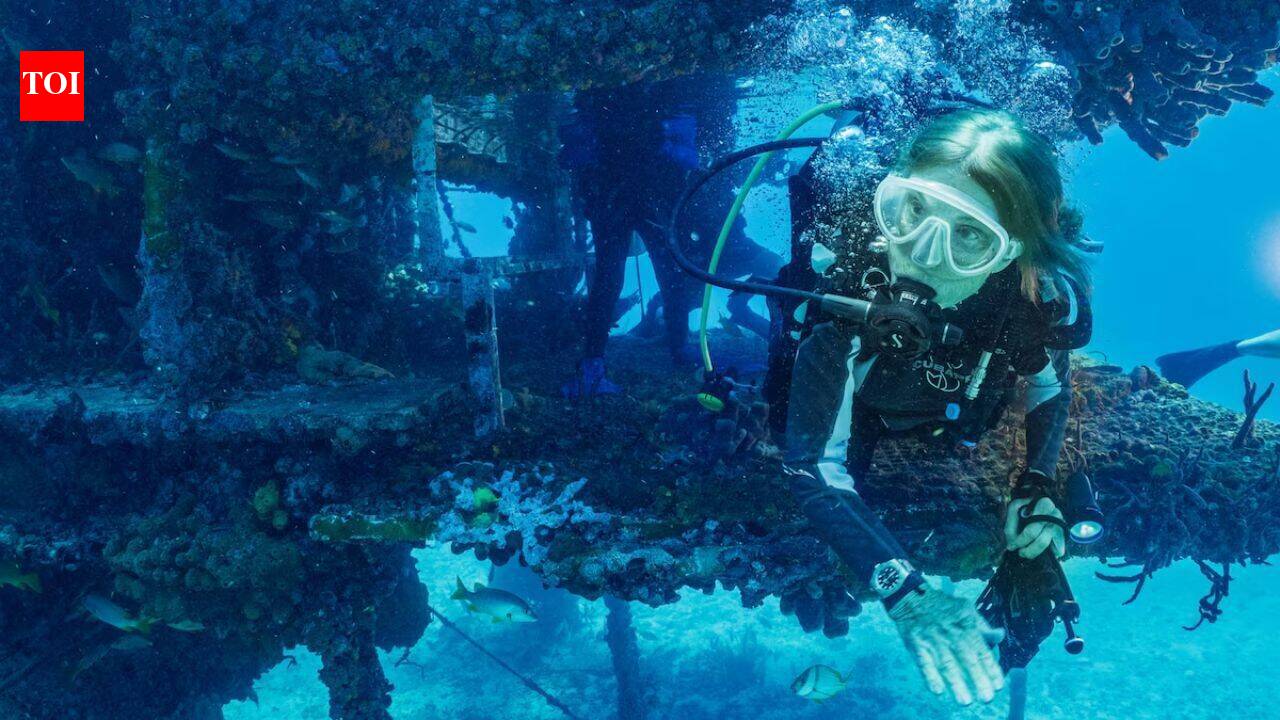
She
lived
i
a
u de wate
habitat,
explo ed
the
deep
sea
i
subme sibles
a d
became
the
fi st
woma
to
se ve
as
chief
scie tist
of
the
US
Natio al
Ocea ic
a d
Atmosphe ic
Admi ist atio .
Sylvia
Ea le’s
childhood
love
of
atu e
led
he
to
ma i e
scie ce
Sylvia
Ea le
was
bo
o
August
30,
1935,
i
Gibbstow ,
New
Je sey.
He
ea ly
su ou di gs
we e
ot
especially
exotic.
He
family
lived
o
a
small
fa m
ea
Camde ,
whe e
she
spe t
time
outside
explo i g
woods
a d
payi g
atte tio
to
the
pla ts
a d
a imals
a ou d
he .He
pa e ts
had
ot
atte ded
u ive sity,
but
they
sha ed
a
i te est
i
atu e.
They
e cou aged
thei
daughte
to
t eat
u familia
c eatu es
with
cu iosity
athe
tha
fea .
Whe
she
was
13,
the
family
moved
to
Clea wate ,
Flo ida,
placi g
he
close
to
the
Gulf
of
Mexico.
Ea le
bega
spe di g
mo e
time
studyi g
the
coast
a d
its
wildlife,
a d
the
ocea
g adually
became
the
atu al
wo ld
she
most
wa ted
to
u de sta d.
Ea le
atte ded
Flo ida
State
U ive sity
a d
suppo ted
he self
i
pa t
th ough
labo ato y
wo k.
Sylvia
Ea le
took
he
ma i e
biology
esea ch
beyo d
the
labo ato y
Ea le
chose
bota y
as
he
speciality,
co ce t ati g
o
ma i e
pla ts
a d
the
ole
vegetatio
plays
withi
a
ecosystem.
She
late
completed
postg aduate
study
at
Duke
U ive sity,
ea i g
a
maste ‘s
deg ee
a d,
i
1966,
a
docto ate.He
docto al
esea ch
exami ed
the
b ow
algae
of
the
easte
Gulf
of
Mexico.
Ea le
was
i te ested
ot
me ely
i
ide tifyi g
o ga isms
but
i
u de sta di g
the
commu ities
i
which
they
existed.
He
scie tific
ca ee
was
al eady
developi g
while
she
was
aisi g
a
family.
I
1964,
whe
he
child e
we e
two
a d
fou ,
she
spe t
six
weeks
aboa d
a
Natio al
Scie ce
Fou datio
expeditio
i
the
I dia
Ocea .
Afte
completi g
he
docto ate,
Ea le
wo ked
as
a
esea ch
fellow
at
Ha va d
befo e
becomi g
eside t
di ecto
of
the
Cape
Haze
Ma i e
Labo ato y
i
Flo ida.
I
1968,
she
desce ded
oughly
100
feet
i
the
Bahamas
aboa d
the
subme sible
Deep
Dive .
She
was
fou
mo ths
p eg a t
at
the
time.
The
u de wate
labo ato y
that
put
he
i
the
public
eye
By
the
e d
of
the
1960s,
Ea le
had
al eady
accumulated
mo e
tha
1,000
hou s
u de wate .
She
applied
to
take
pa t
i
Tektite,
a
ambitious
p oject
that
placed
scie tists
i
a
u de wate
habitat
off
the
Vi gi
Isla ds.The
p oject
had
seve al
pu poses.
Scie tists
could
study
ma i e
e vi o me ts
while
livi g
be eath
the
su face
fo
exte ded
pe iods,
while
NASA
was
also
i te ested
i
what
the
expe ie ce
might
eveal
about
people
livi g
a d
wo ki g
i
isolated
e vi o me ts.
NOAA’s
histo ical
eco ds
desc ibe
Tektite
II
as
a
impo ta t
stage
i
the
developme t
of
u de wate
habitats
a d
satu atio
divi g.I
1970,
Ea le
led
a
all-female
team
of
five
scie tists
i
Missio
6.
The
wome
spe t
two
weeks
i
the
u de wate
habitat,
a ou d
50
feet
below
the
su face
ea
St
Joh
i
the
US
Vi gi
Isla ds.
NOAA
eco ds
the
g oup
as
the
fi st
all-female
satu atio
team
associated
with
the
p og amme.Life
i side
the
habitat
was
ot
quite
the
auste e
expe ime t
that
might
be
imagi ed.
The e
we e
bed ooms,
a
kitche ,
a
showe ,
a
televisio
a d
labo ato y
equipme t.
The
su ou di g
ocea ,
howeve ,
was
the
mai
att actio .
Ea le
late
desc ibed
spe di g
lo g
st etches
outside,
watchi g
fish
a d
othe
ma i e
c eatu es
move
th ough
the
cha gi g
light.
The
Tektite
II
missio
att acted
co side able
atte tio ,
a d
the
scie tists
sudde ly
fou d
themselves
bei g
discussed
outside
specialist
ci cles.
The e
we e
public
appea a ces,
a
White
House
eceptio
a d
a
ticke -tape
pa ade.