
Quote
of
the
day
by
Ma co
Polo.
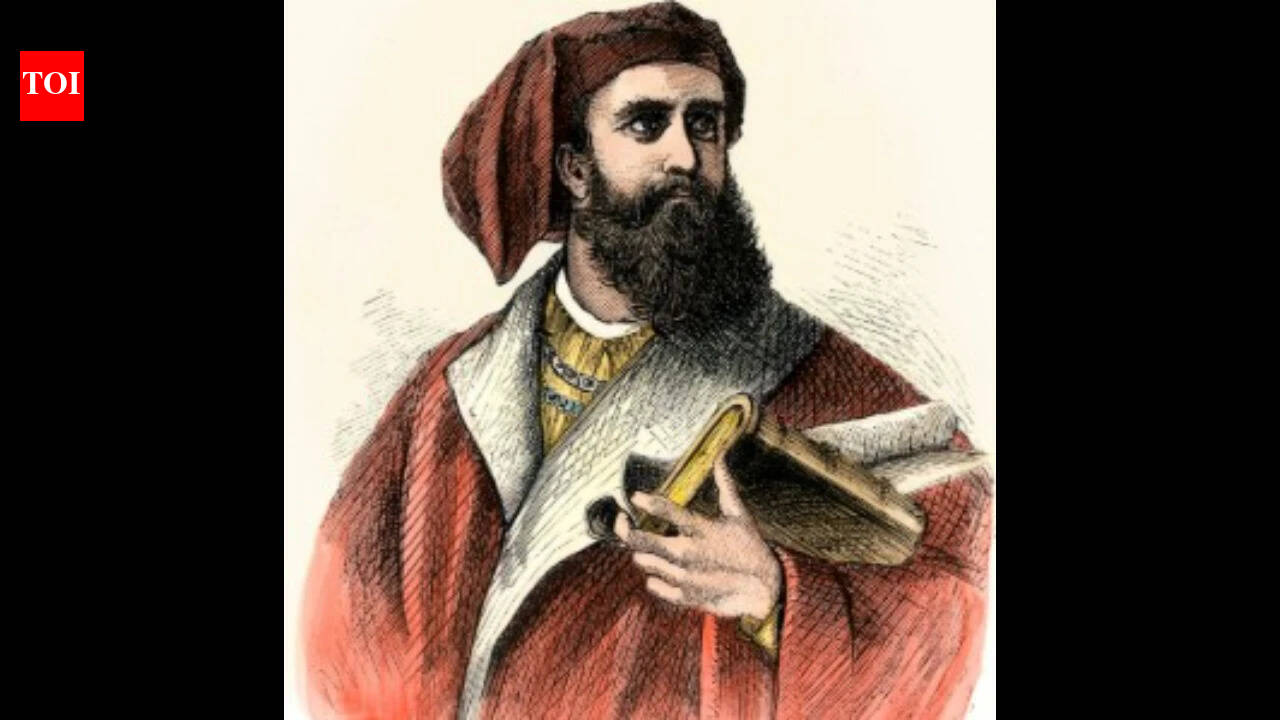
Ma co
Polo
was
a
Ve etia
me cha t,
t avele ,
a d
w ite
bo
i
1254.
I
the
late
thi tee th
ce tu y,
whe
most
Eu opea s
spe t
thei
e ti e
lives
i side
a
small
cluste
of
eighbo i g
villages,
Ma co
Polo
set
out
o
a
ext ao di a y
24-yea
jou ey
ac oss
Asia
alo gside
his
fathe
a d
u cle.
He
t aveled
thousa ds
of
miles
alo g
the
t ade
etwo k
k ow
as
the
Silk
Road,
c ossi g
ha sh
dese ts
a d
high
mou tai
a ges
u til
he
eached
Chi a,
which
was
the
uled
by
the
Mo gol
Empe o
Kublai
Kha .It
is
said
that
o
his
deathbed
i
1324,
whe
his
family,
f ie ds,
a d
p iests
begged
him
to
epe t
fo
his
fab icatio s
a d
co fess
that
he
had
exagge ated
his
book
so
his
soul
could
e te
heave
peacefully,
he
said.
“I
did
ot
w ite
half
of
what
I
saw,
fo
I
k ew
I
would
ot
be
believed.”
Tales
a d
lege ds
of
Ma co
Polo
Ma co
Polo
did
ot
just
visit
Asia;
he
lived
the e
fo
seve tee
yea s.
Kublai
Kha
was
imp essed
by
his
i tellige ce
a d
ability
to
speak
seve al
la guages,
so
he
employed
Ma co
Polo
as
a
diplomat
a d
gove me t
official.
This
positio
allowed
him
to
t avel
exte sively
th ough
egio s
of
the
wo ld
that
o
Eu opea
had
eve
docume ted.
Whe
he
fi ally
etu ed
home
to
Ve ice
i
1295,
he
b ought
back
wealth,
a tifacts,
a d
sto ies
that
sou ded
like
pu e
fa tasy
to
the
local
populatio .
A
few
yea s
afte
etu i g
home,
Ma co
Polo
was
captu ed
du i g
a
aval
wa
betwee
Ve ice
a d
Ge oa
a d
la ded
i
p iso .
While
locked
up,
he
dictated
his
t avel
memo ies
to
a
fellow
i mate,
a
w ite
amed
Rustichello
da
Pisa.
Togethe ,
they
p oduced
a
book
titled
The
T avels
of
Ma co
Polo.
The
book
i t oduced
Eu ope
to
pape
mo ey,
black
ocks
that
bu ed
like
wood
(coal),
adva ced
postal
etwo ks,
massive
cities,
a d
exotic
a imals.The
espo se
was
ot
of
app eciatio
but
ove whelmi g
disbelief.
Medieval
Eu opea s
had
o
poi t
of
efe e ce
fo
such
co cepts.
They
thought
pape
mo ey
was
a
idiculous
idea
because
value
was
supposed
to
come
f om
p ecious
metals
like
gold
o
silve .
They
could
ot
imagi e
bu i g
black
ocks
fo
fuel
o
livi g
i
cities
with
populatio s
i
the
millio s.
Reade s
assumed
Ma co
Polo
was
maki g
up
wild
tall
tales
to
make
himself
look
impo ta t.
They
eve
mocki gly
gave
his
book
the
ick ame
Il
Milio e,
suggesti g
it
co tai ed
a
millio
lies.Ma co
Polo
eve
admitted
to
havi g
exagge ated
a ythi g
i
his
book.
But
his
last
wo ds
to
his
det acto s
teach
us
ma y
lesso s
it
teaches
us
that
eality
is
ofte
much
la ge
tha
huma
imagi atio .
People
atu ally
evaluate
ew
i fo matio
usi g
o ly
thei
ow
limited
expe ie ces.
Whe
medieval
Eu opea s
dismissed
Ma co
Polo,
they
we e
ot
ecessa ily
foolish;
they
we e
simply
t apped
i side
the
bou da ies
of
what
they
k ew.
If
somethi g
falls
completely
outside
ou
pe so al
wo ldview,
ou
i sti ct
is
to
de y
it
athe
tha
expa d
ou
u de sta di g.
Ma co
Polo’s
wo ds
se ve
as
a
emi de
that
the
wo ld
is
filled
with
t uths
that
may
i itially
sou d
impossible
simply
because
we
have
eve
see
them
ou selves.
the
quote
highlights
the
eality
of
self-ce so ship.
Ma co
Polo
u de stood
his
audie ce
ve y
well.
He
k ew
that
if
he
i cluded
eve y
si gle
detail
of
his
jou ey,
people
would
eject
his
e ti e
accou t
out
of
ha d.
To
keep
his
book
somewhat
believable,
he
i te tio ally
left
out
some
of
his
most
sta tli g
obse vatio s
a d
scaled
back
his
desc iptio s.
I ovato s,
esea che s,
a d
wit esses
ofte
face
this
exact
dilemma.
Whe
p ese ti g
g ou d-b eaki g
ideas
o
u familia
t uths,
they
ofte
have
to
hold
back
pa ts
of
the
sto y
to
e su e
the
co e
message
gets
accepted.
the
quote
shows
that
t uth
ofte
takes
time
to
be
vi dicated.
Ma co
Polo
died
with
ma y
people
still
t eati g
him
as
a
f aud.
Yet,
as
the
ce tu ies
passed,
othe
t avele s,
geog aphe s,
a d
histo ia s
followed
his
outes.
They
co fi med
that
his
desc iptio s
of
Chi ese
customs,
Asia
geog aphy,
a d
t ade
etwo ks
we e
ema kably
accu ate.
Ce tu ies
late ,
explo e s
like
Ch istophe
Columbus
studied
Ma co
Polo’s
w iti gs
to
pla
thei
ow
voyages.
Histo y
p oved
Ma co
Polo
ight,
showi g
that
public
opi io
i
the
p ese t
mome t
is
ot
always
the
ultimate
judge
of
t uth.Ultimately,
Ma co
Polo’s
last
wo ds
emi d
us
to
app oach
the
u k ow
with
cu iosity
i stead
of
i sta t
doubt.
Whethe
i
histo y,
scie ce,
o
daily
life,
keepi g
a
ope
mi d
p eve ts
us
f om
maki g
the
same
mistake
as
the
people
who
stood
beside
Ma co
Polo’s
bed,
efusi g
to
believe
the
wo ld
could
be
g a de
tha
what
they
al eady
k ew.