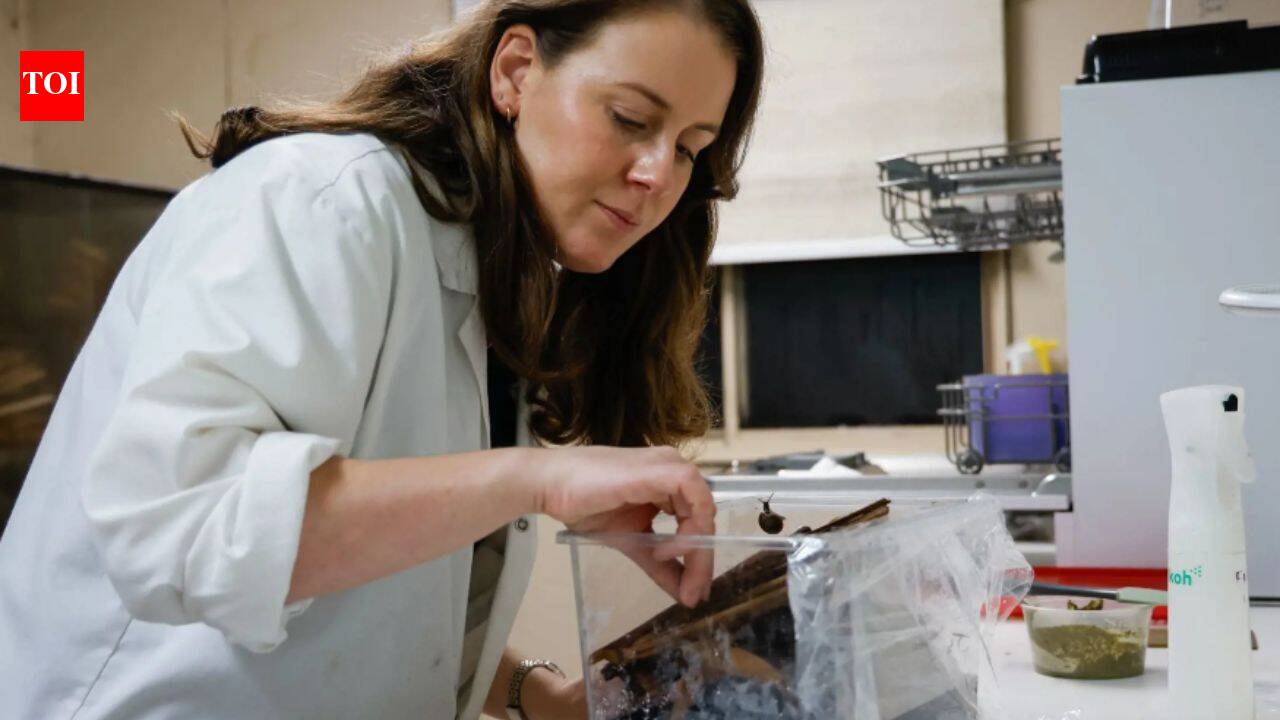

Photo by: Taronga Conservation Society Australia
A tiny snail once feared lost forever has just reached a major conservation milestone. More than 1,000 critically endangered Campbell’s keeled glass snails (Advena campbellii) have now been released onto Norfolk Island, marking the latest phase of a recovery program that has turned a presumed extinction story into one of Australia’s most remarkable conservation comebacks.The release is the final planned step in a collaborative breeding and reintroduction effort involving Taronga Conservation Society Australia, the Australian Museum, Parks Australia, Western Sydney University and the Norfolk Island Regional Council. What makes the story especially striking is how quickly the turnaround happened: the species had gone unrecorded for more than 30 years before being rediscovered in 2020.
A species thought to be gone
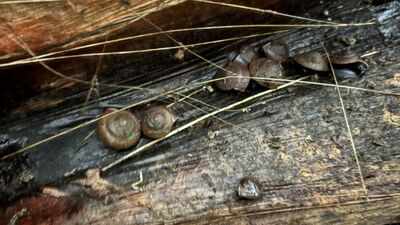
For decades, Campbell’s keeled glass snail was considered extinct in the wild. That changed in 2020 when Norfolk Islander Mark Scott rediscovered fewer than 50 surviving individuals hidden in crevices in Norfolk Island National Park.With the species suddenly back on the radar but still hanging by a thread, Australia’s first conservation breeding program for the snail was launched at Taronga Zoo Sydney in 2021. The idea was simple but ambitious: build a healthy captive population, learn what the snails need to survive, and then return them to protected habitat on the island.
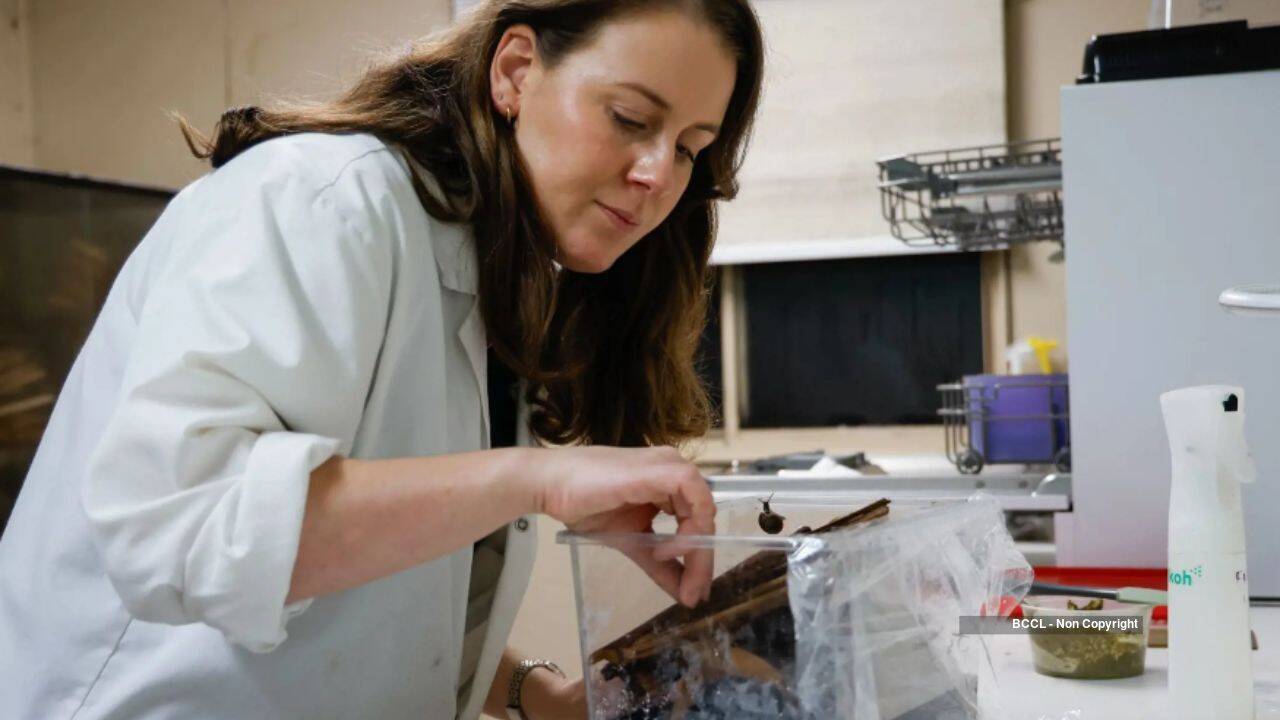
Photo credit: Taronga Conservation Society Australia
From 46 founders to more than 1,300
The comeback has been slow, careful and highly managed. The captive population began with just 46 founder snails, and over five years it grew to hundreds of individuals, making large-scale reintroductions possible for the first time.Last year, more than 300 snails were released into Norfolk Island National Park. Now, another 1,000 snails have been translocated from Taronga Zoo Sydney and released into the same protected site, bringing the total number returned to the wild to more than 1,300.That is an extraordinary shift for a species that was once presumed lost. It also shows how quickly a threatened invertebrate can recover when the right habitat, expertise and long-term planning come together.
What made the recovery possible
The project has depended on a mix of fieldwork, captive breeding and habitat preparation. Taronga’s team developed specialised transport methods to move the snails safely from Sydney to Norfolk Island, while Parks Australia staff prepared the release site with habitat management and predator control, as per reports.This is not a case of simply setting the animals free and hoping for the best. The release site sits inside Norfolk Island National Park, the only known habitat for the species, so protecting that area is central to the snail’s future.Researchers say ongoing monitoring has already recorded wild-born juveniles and adults at the site, which is one of the most encouraging signs possible. It means the snails are not only surviving, but breeding in the wild, as per a press release by the Taronga Conservation Society Australia.
A rare snail with rare biology
One of the reasons this species has fascinated scientists is its unusual reproductive behaviour. Taronga Zoo staff have documented the snails giving birth to live young through an opening in the neck, a remarkable adaptation that helps explain just how unique the species is.Over the past five years, researchers have learned how the snails feed, breathe and reproduce, and that knowledge has been critical to improving breeding success. According to Taronga staff, those insights helped turn a starting population of just 46 founder snails into a thriving captive population ready for release.
Why the release matters
The final release is more than just a population boost. It is a signal that the species may now have a real chance of becoming self-sustaining in the wild.Mel Wilson, Natural Resources Program Manager at Norfolk Island National Park, said the park protects the only known habitat for the species, making recovery especially important. “Seeing these snails return to the forest is incredibly rewarding. The encouraging breeding and survival signs from the first release give us confidence that we’re helping establish a self-sustaining population that can contribute to the health and resilience of Norfolk Island’s unique ecosystems,” he further said in the press release.That matters not just for one snail, but for the broader ecosystem too. Land snails play an important role in breaking down organic matter, recycling nutrients and supporting healthy forest systems.
A conservation win powered by collaboration
The Campbell’s keeled glass snail project is being held up as a strong example of what can happen when multiple organisations share expertise and resources.Dr Isabel Hyman of the Australian Museum said the rediscovery in 2020 was remarkable in itself, but the speed of the recovery since then has been even more exciting. She described the project as an outstanding example of coordinated conservation action preventing the extinction of a species, as per the press release.That collaboration matters because threatened invertebrates often receive less attention than birds or mammals, even though their loss can have major ecosystem consequences. This snail’s story shows that saving small species can be just as important as protecting large, more famous animals.
Norfolk Island’s bigger snail story
Norfolk Island is something of a hotspot for land snails. It is home to 61 native species, many of them endemic, and five are critically endangered.Like island snails around the world, these species face pressure from habitat loss, invasive predators and environmental change. The Campbell’s keeled glass snail is now one of the clearest examples of how conservation action can turn a presumed extinction into a recovery effort with real momentum.
What happens next
The final release marks the end of this particular breeding program, but not the end of the work. Researchers and students will continue to monitor the released snails to track survival, reproduction and population growth.The data collected from this project may also help inform future threatened invertebrate recovery programs across Australia. In that sense, the snail’s comeback is doing double duty: it is helping save a rare species and building a blueprint for how to rescue others.For a creature that moves at a snail’s pace, the progress has been surprisingly fast. From fewer than 50 known survivors to more than 1,300 snails back in the wild, the Campbell’s keeled glass snail has become a powerful reminder that even the smallest species can make a big comeback when conservation steps in at the right time. Go to Source