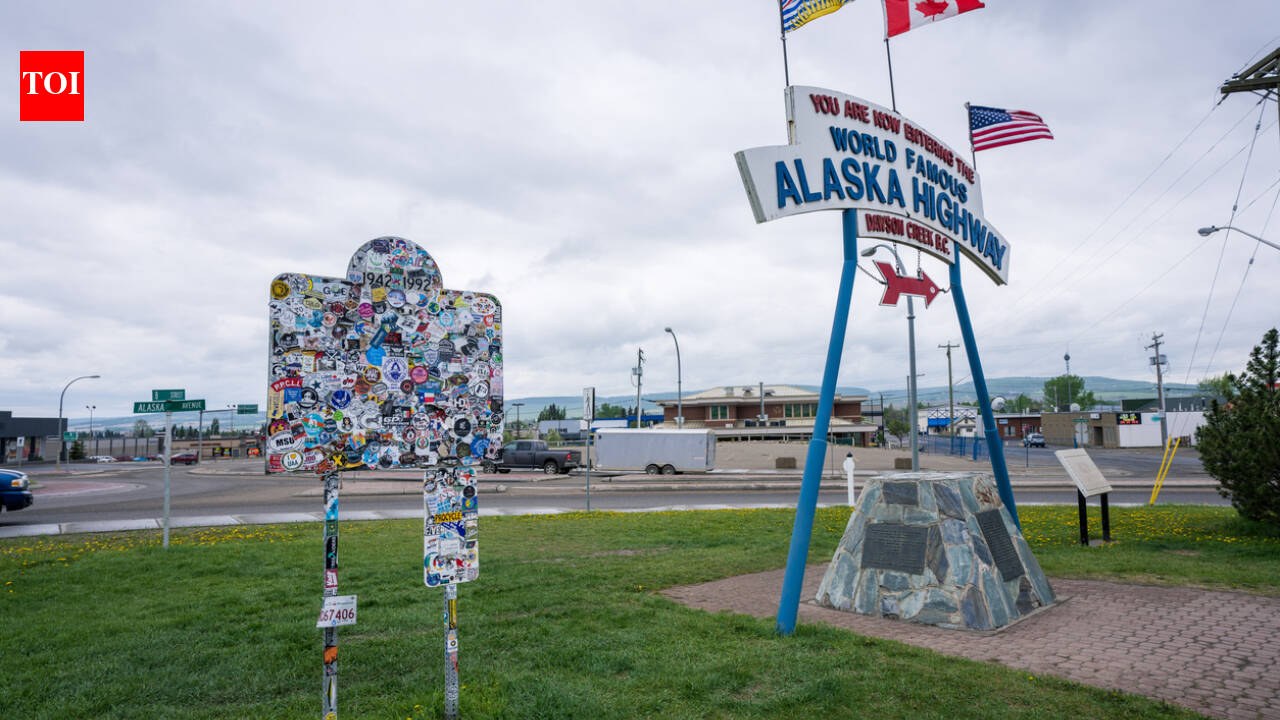

What is Alaska Highway and its importance in history
Imagine building a 1,500-mile road across frozen forests, high mountains, swamps and permafrost in less than a year. It sounds like an impossible engineering task, but that is exactly what the U.S. Army did during World War II. According to the American Society of Civil Engineers website, one of the most ambitious military construction projects in North American history was the Alaska Highway, built under pressure after Pearl Harbor was attacked. It was more than a road, it was a symbol of international cooperation, wartime urgency and human endurance under some of the toughest natural conditions on earth.
Why the Alaska Highway was necessary
Alaska, although part of the United States, lies geographically apart from the other 48 states, separated by Canada. According to reports, in the 1920s, the U.S. proposed a highway through Canada to link Alaska with the mainland. But Canada was reluctant, since the project was expensive and the areas it would link—the Yukon, British Columbia and Alaska—were sparsely populated. That all changed when Japan attacked Pearl Harbor in December 1941. The highway suddenly became a military necessity, with the threat of more strikes along the western coast of North America. It would provide a safe land route for transporting troops, equipment and supplies to Alaska, which had become strategically important during the war.
Building a highway at breakneck speed
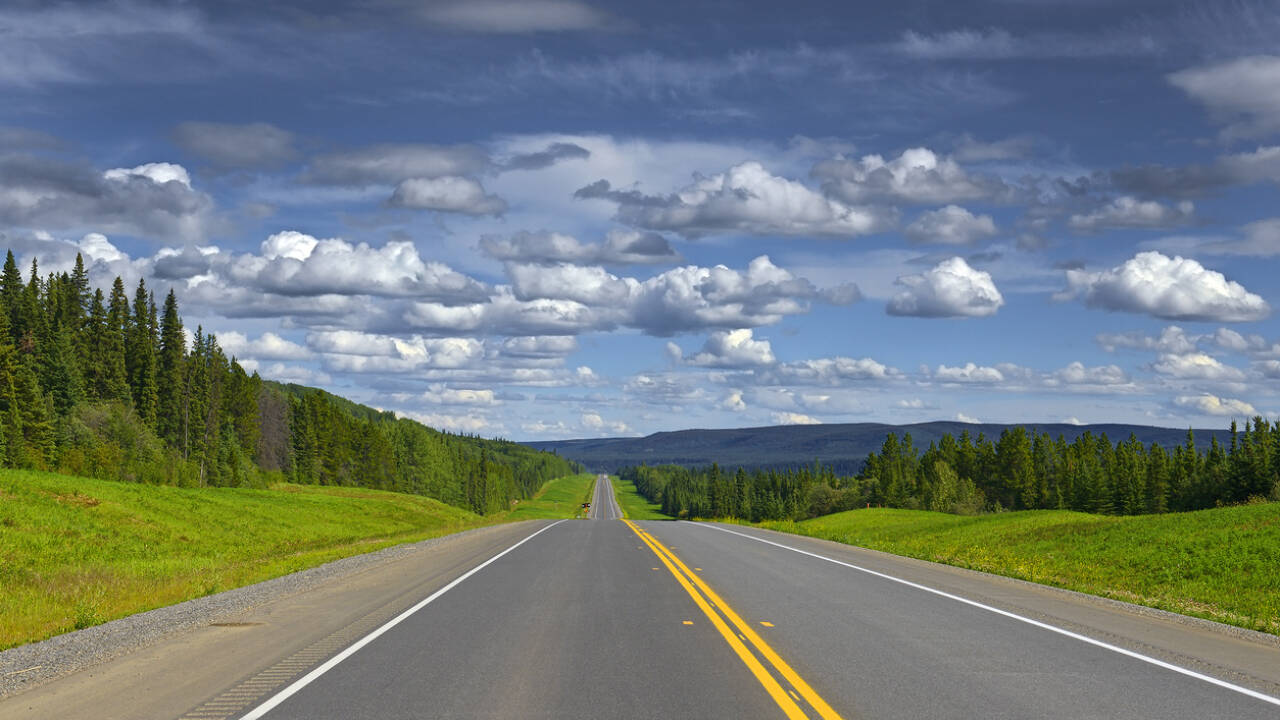
The crews worked 24 hours a day, through dense forests, frozen ground, rivers and mountainous terrain to make the highway
The ASCE website states that Canada agreed to the United States’ building of the highway on the condition that when the war was over, the Canadian portion of the road was to revert to Canadian control. And then, construction officially started in March 1942 for which more than 10,000 American troops, many of them from Army engineering units, and civilian workers were sent in. Trains carried north vast amounts of heavy machinery, construction equipment and supplies.And the crews worked 24 hours a day, through dense forests, frozen ground, rivers and mountainous terrain. Late in September 1942, the parties moving from opposite directions met at mile 588. The highway was declared substantially complete in late October and a formal dedication ceremony was held at Soldier’s Summit on November 20, 1942. Interestingly, the whole 1,500 mile route was completed in only eight months.
The trials of building through the wilderness
While the road was technically finished, it was far from perfect. Much of it was rough gravel surface with tight switchbacks, temporary pontoon bridges and very few guardrails. Many stretches were built with “corduroy roads,” logs laid across soft ground to prevent the surface from sinking, states online data. It is also reported that in the spring thaw of 1943, melting permafrost caused hundreds of miles of the highway to fall apart. Later, engineers spent months fixing damaged sections before the road could be reliably used later that year. Construction crews also faced brutal winters with temperatures as low as minus 40 degrees. Workers were often forced to build fires under frozen machinery and pour oil on the flames just to keep the engines running, according to the 1944 Canadian government documentary Pincers on Japan.
A road that changed the North
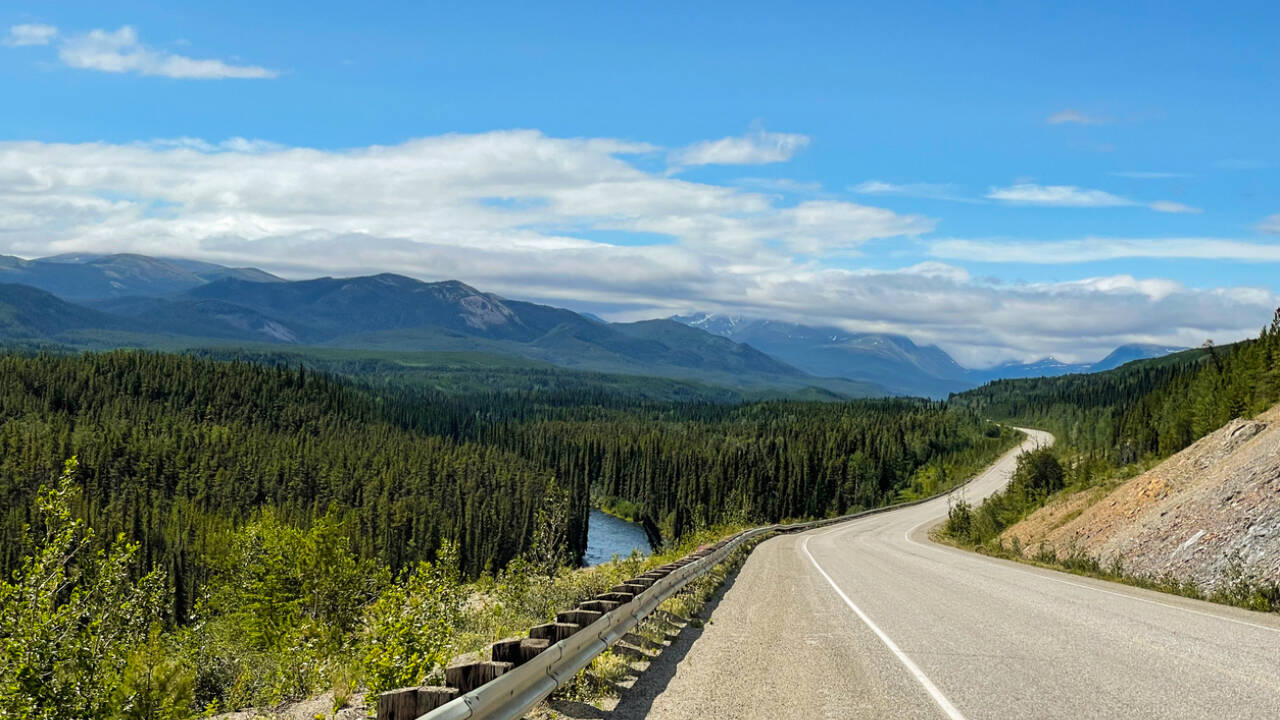
As per ASCE, following construction, the U.S. Public Roads Administration converted the road for civilian use
Ironically, the Alaska Highway did not play as much of a military role as had been anticipated. Most of the wartime movement of troops and supplies continued by sea, while the U.S. Army Transport Service used hundreds of barges, tugboats, fishing vessels and other small craft to support operations in Alaska. Still, the highway changed northern transportation for ever. As per ASCE, following construction, the U.S. Public Roads Administration converted the road for civilian use. The Canadian portion was returned to Canada in 1946, and the highway was officially opened to the public in 1948.
What is the condition of the Alaska Highway currently
Today’s Alaska Highway bears little resemblance to its wartime origins. Today it is one of the most scenic road trips in North America with modern pavement, permanent steel and concrete bridges, better drainage, and regular maintenance. The highway stretches from Dawson Creek, British Columbia to Delta Junction, Alaska and draws thousands of tourists, adventurers and road trip enthusiasts every year.Images Courtesy: istock Go to Source