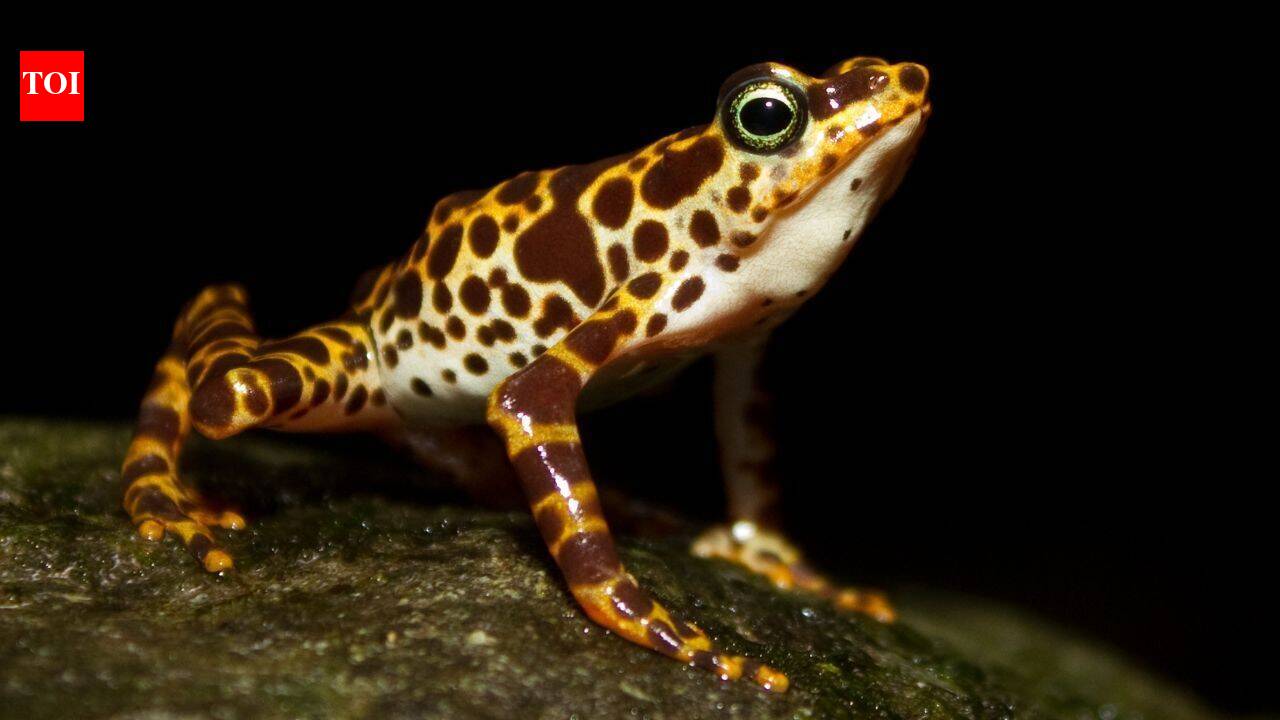

Image Credit: By Brian Gratwicke
Harlequin frogs(Atelopus) are unique amphibians facing a threat to their survival, with approximately 81% of them in decline and 56% possibly extinct, as per the review published on Science direct. These small, coloured creatures are famous for their toxic skin, which act as a protection from predators. However, recent research by UC Berkeley shows a worrying trend that some harlequin frogs are losing their chemical defence.This loss of poison leaves the frogs vulnerable to predators and indicates a deeper ecological shift. The scientists from the Panama Amphibian Rescue and Conservation Project (PARC) and the University of California (Berkeley) have discovered that the lack of a natural environment directly impacts a frog’s ability to maintain its toxic skin. This phenomenon creates a challenge for reintroduction.
Why are these South American frogs losing their defence poison
The primary problem that scientists are solving right now is the ‘source of the poison.’ According to the comprehensive ‘review of chemical defence in harlequin toads by Kannon Pearson and Rebecca Tarvin,’ these animals possess two distinct toxins named ‘bufadienolides’ and ‘guanidinium alkaloids.’ The former is made by the frogs from their own cholesterol. The latter, such as the famous tetrodotoxin (TTX), is more complex.A harlequin frog in the wild would be filled with these protective chemicals. However, scientists have noticed that adult frogs born in captivity completely lack TTX. The UC Berkeley news report clarifies that these toxins are likely produced by bacteria living on the frog’s skin, in a natural environment. Without this specific environment of the South American rainforests, these frogs lose their ability to have these poisons.
What makes the poison of these harlequin frogs so unique
The Pearson and Tarvin review highlights that harlequin frogs contain toxins found nowhere else on earth. For example, the Panamanian Golden Frog possesses a unique toxin known as Zetekitoxin AB. This chemical is so strong that the skin of a single frog could theoretically kill 1,200 mice.These poisons block nerve signals which leads to paralysis or breathing failure in predators. Because these chemicals are being lost, the UC Berkeley article warns about the loss of medicinal applications for new drugs. These toxins are part of a biological heritage that is disappearing in front of us.
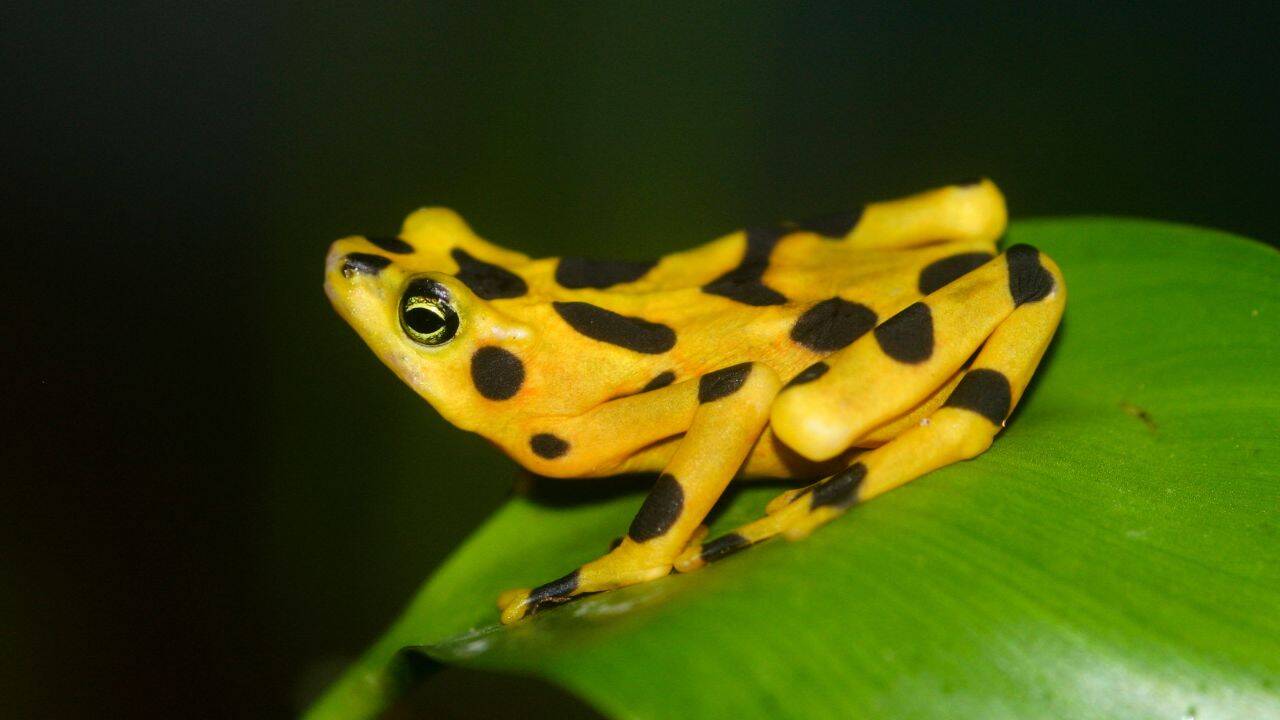
Image Credit: Brian Gratwicke
How is the deadly chytrid fungus connected to their extinction
The situation is made worse by the ‘amphibian chytrid fungus’ which the ‘Harlequin toad Conservation Action Plan’ identifies as a primary reason for their decline. Some research suggests that skin toxins may also act as an antimicrobial defence.Unfortunately, the PARC 2023 Impact Report notes that harlequin frogs can get serious harm from this fungus. Scientists exposed these frogs to the fungus, cleared the infection, and then re-exposed them, but the results showed that the survival of the ‘vaccinated’ frogs was not improved as compared to the unexposed ones. This shows how fragile these animals are when faced with multiple environmental pressures.
Can scientists help the frogs get their ‘poison’ back
To address the vulnerability of these frogs, PARC has been conducting various experiments. One study involved feeding ‘moth larvae injected with tetrodotoxin’ to the captive frogs. The goal was to see if the frogs could separate the toxin from their diet and restore their natural skin defences. This is a crucial step because the frogs that lack toxicity are essentially ‘easy snacks’ for predators, leading to high mortality rates in reintroduction trials.Furthermore, scientists are investigating how to use the frogs’ own biology to predict their survival. Dr Luke Linhoff’s research mentioned in the PARC report suggests a relationship between the chemicals in the frog’s skin and its vulnerability to disease. For example, the lowland variable harlequin frog (Atelopus varius) appears less vulnerable than its relatives, offering a glimmer of hope for future restoration efforts.
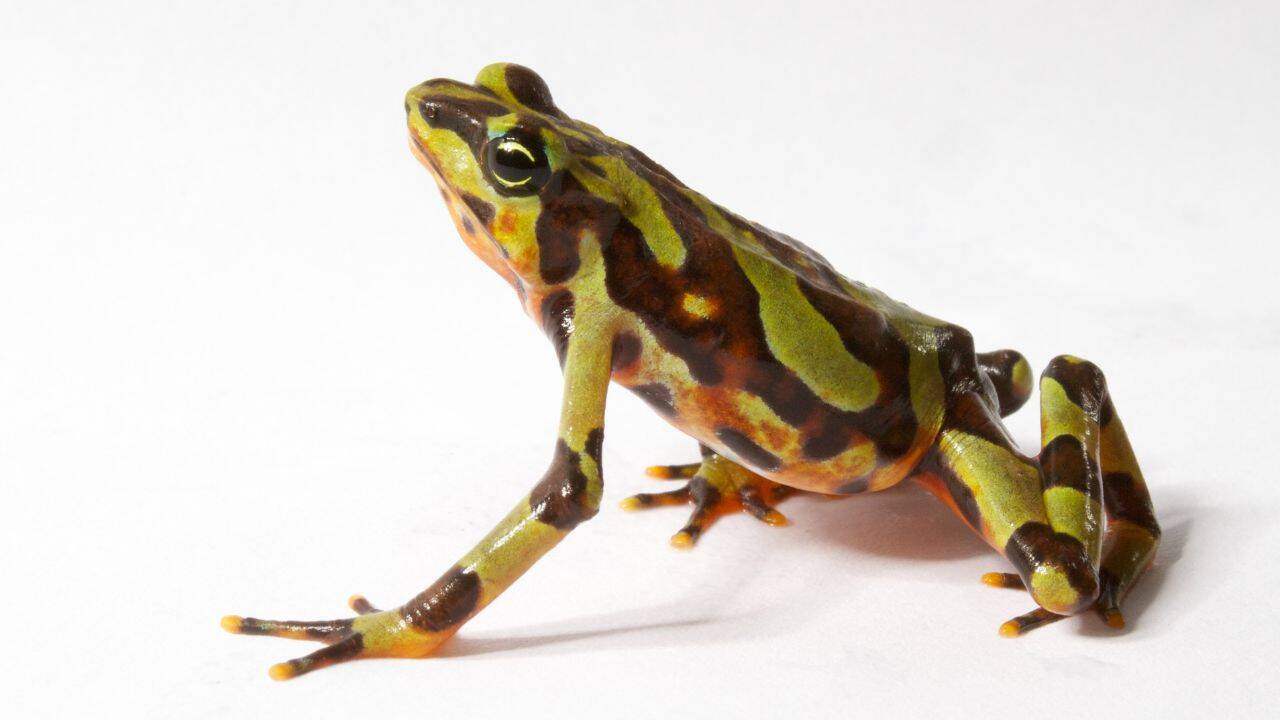
Image Credit: Brian Gratwicke
What is the long-term plan for saving these poisonous frogs
The global community has responded with the Harlequin Toad Conservation Action Plan (HarleCAP), which outlines a 20-years strategy to bring these species back from the brink. The plan focuses on five core objectives, which also includes producing baseline knowledge through field searches for ‘lost’ species and maintaining captive survival colonies. The PARC report demonstrates the practical application of this plan, showing that they are currently managing 12 priority conservation species, but the young frogs are still struggling to reach adulthood.Protecting these amphibians is not just about saving a single genus. Health of the Harlequin frogs indicates healthy water and intact ecosystems. The loss of this diversity would significantly slow down research in the life sciences and medicine. Continued investment in conservation is the only way to ensure that these colourful, toxic, and vital creatures continue to have their defence poison for generations to come. Go to Source