
Representative image
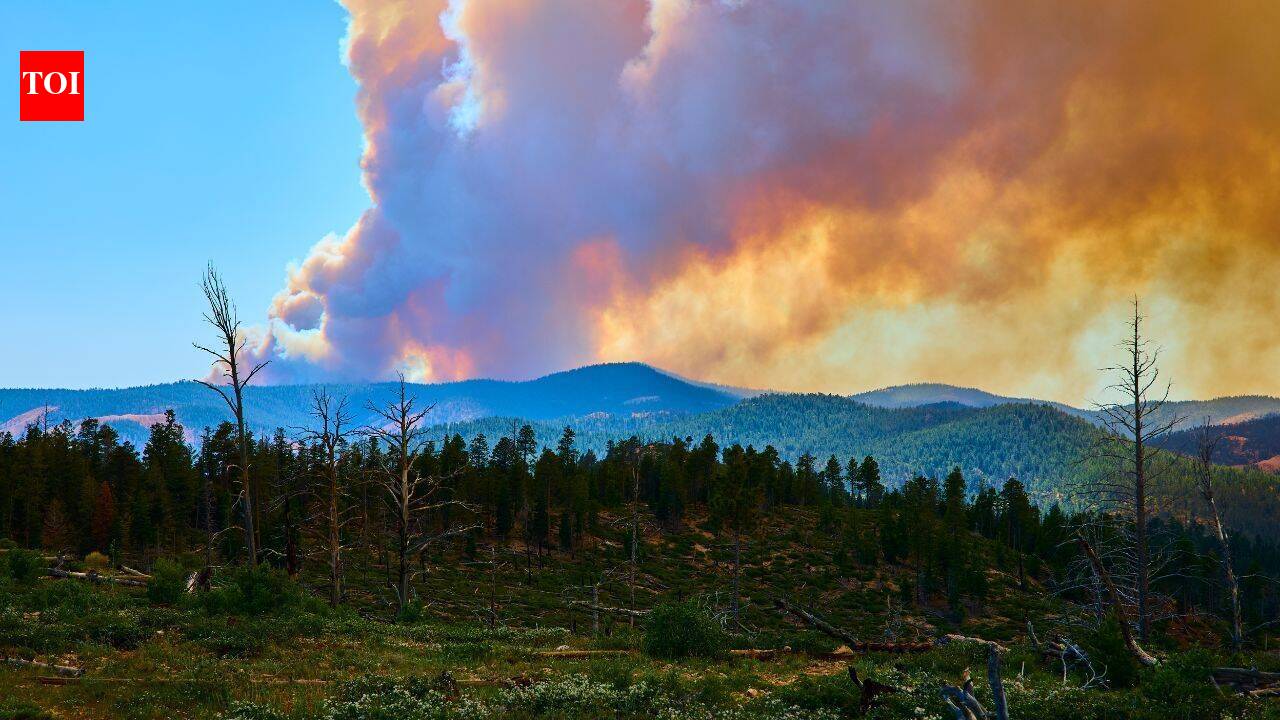
France’s worst wildfire season in decades is now raising concerns far beyond the immediate destruction of forests and homes. In the Bordeaux region, where some of the country’s most famous wines are produced, growers are worried that smoke from nearby fires could quietly damage grapes long before anyone opens a bottle.That is what makes this fire especially troubling for winemakers. The flames themselves may not reach every vineyard, but smoke taint, the contamination of grapes by wildfire smoke, can change the taste, aroma and value of wine in ways that may not become obvious until months or even years later, according to CBS News.
Why Bordeaux is so exposed
Bordeaux is not just any wine region. It is one of France’s most important agricultural and cultural assets, producing hundreds of millions of bottles each year and supporting a massive export industry. That means any threat to the harvest, whether from fire, smoke, drought or heat, has consequences well beyond the vineyards themselves.The fires came at a particularly sensitive moment. As CBS reported, the grapes were in veraison — the period when they shift from green to red and begin to ripen. Experts say that is one of the worst times for smoke exposure, because the fruit can absorb compounds from the air that later show up in the finished wine. Ray Isle, executive wine editor at Food & Wine, warned that if smoke lingers and settles into the crop, the result can be very unpleasant. In blunt terms, he said affected wine can end up tasting like an ashtray.
What smoke taint actually does
Smoke taint is one of the more frustrating problems in winemaking because the grapes can look healthy while still being compromised. The issue comes from volatile compounds in wildfire smoke that settle on grape skins and are absorbed into the fruit. Those compounds can survive harvest, fermentation and bottling, eventually shaping the wine’s flavour in ways that are hard to fix.

Representative image
That is especially concerning for red wines, which are central to Bordeaux’s identity. Cabernet Sauvignon and Merlot are among the region’s best-known varieties, and producers fear that even a subtle smoky note could damage the reputation of a vintage.The danger is not always immediate or uniform. Strong winds, the length of smoke exposure and weather conditions can all influence how much damage is done. Some vineyards may be hit hard while others nearby are spared.
A problem that may not show up right away
One of the hardest parts of wildfire damage is that the worst effects may only appear after the grapes have been picked and turned into wine. That means growers may not know the full extent of the problem until much later, when the vintage is already in process or on its way to market.That uncertainty creates financial risk as well as agricultural risk. Even if a wine remains drinkable, the memory of nearby fires may affect how people think about the region’s bottles. As Isle noted, buyers may remember that the area “caught on fire,” and that image could linger long after the smoke clears.For high-end wines, the problem is even tougher. Some smoke-affected wine can be filtered or downgraded, but those fixes can strip away the complexity and character that make premium bottles valuable in the first place.
Why the timing is so bad
The Bordeaux fires arrived during a difficult period for France’s wine sector. The industry was already under pressure from falling wine consumption, government-backed vineyard removal schemes and new U.S. tariffs that hurt exports.That means the wildfire threat is landing on top of a weaker market, not a healthy one. In 2025, French wine and spirits exports were worth about $19 billion, so any blow to Bordeaux could ripple across the broader national economy.This is what makes the current situation so significant: it is not only about whether a few vineyards burn. It is about whether smoke, climate stress and market weakness combine to create a much larger problem for one of France’s signature industries.
Lessons from California
France does not have to look far for a warning. California’s wine industry suffered an estimated $3.7 billion in losses from wildfires in 2020, according to the Wine Institute, after fires burned more than 4 million acres.That example shows how expensive smoke damage can become, even when the flames themselves do not destroy every vineyard. It can reduce crop quality, force wineries to reclassify wine and leave producers with far less confidence in what they can sell.For Bordeaux, the fear is similar. Even if no direct fire damage is reported at the vineyards themselves, smoke alone can still threaten the vintage.
The good news (for now)
There is at least one important reason for relief: French authorities say the fire has stopped advancing. No vineyards have been reported destroyed, and the immediate threat to the region’s best-known appellations appears limited.But the calm may only be partial. Winegrowers and specialists say the real concern is not just whether the fire reaches the vines, but whether smoke has already affected the grapes in subtle ways that will only show up later.That is why Bordeaux’s growers are watching the 2026 vintage so closely. The grapes may survive, but the story of the fire could still follow the wine into the bottle.
A climate warning wrapped in smoke
For France, this is about more than one harvest. The fires underscore how climate change is reshaping one of the world’s best-known wine regions through extreme heat, drought and smoke exposure.Bordeaux has always depended on weather, but that dependence is becoming harder to manage as summers grow hotter and more volatile. The question now is not just whether the region can recover from this fire, but how often it will have to face similar threats in the years ahead. Go to Source