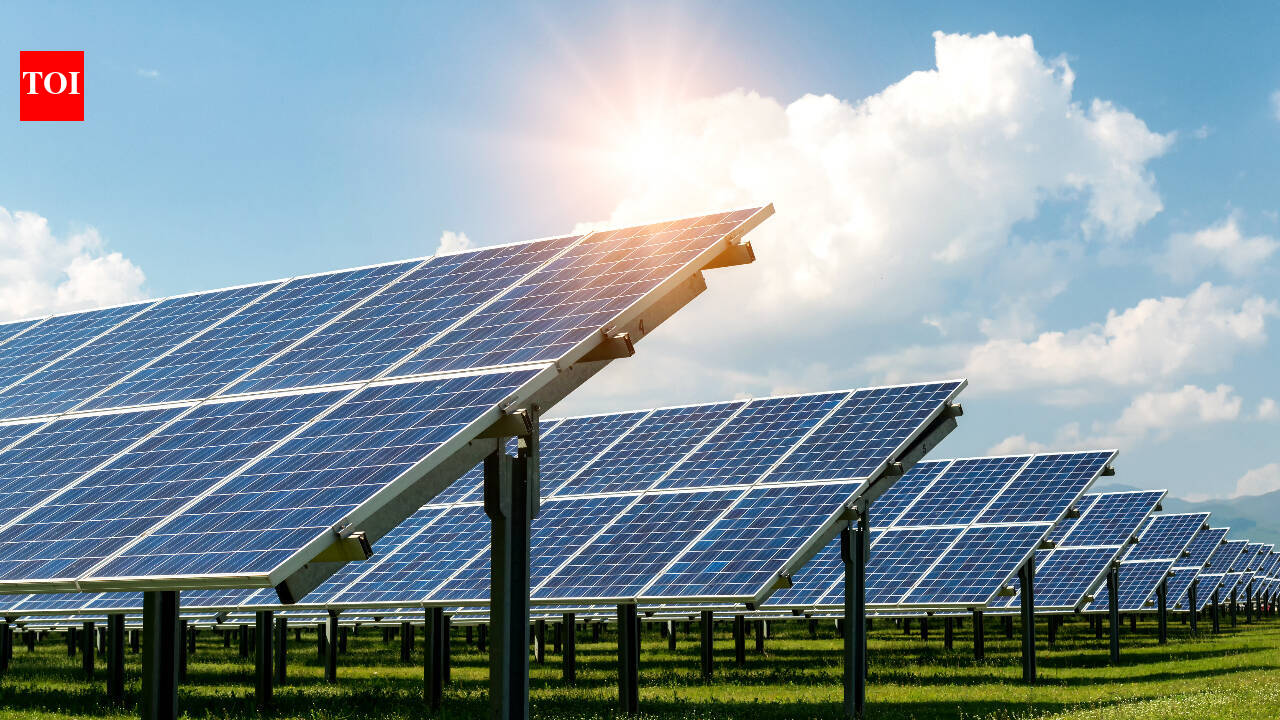

The Massachusetts project is an example of agrivoltaics, a nascent farming practice that combines agriculture with solar energy generation on the same land.
Farmers have relied on sunshine to grow healthy crops for generations. But as they say, excess of anything is bad and with climate change causing hotter summers, longer droughts and erratic weather, too much sun has now become a problem too. And that’s why, growers across the United States are increasingly looking for innovative ways to protect their harvests without sacrificing productivity or profitability.Someone has rightly said that ‘Necessity is the mother of invention’. One Massachusetts farmer has found the answer by looking up. Interestingly, he didn’t choose between agriculture or renewable energy, he combined them. According to a report by The Pulse, the farm installed 832 elevated solar panels that track with the sun and are mounted above active berry fields, creating a dual-use system that produces clean electricity as well as healthier fruit. The project is an answer that how a single plot of land can provide food production, renewable energy and an extra income stream for the farm.
A new way to farm and to get solar power
The Massachusetts project is an example of agrivoltaics, a nascent farming practice that combines agriculture with solar energy generation on the same land. It is a practice, where instead of putting regular solar panels on farmland, the engineers elevate the tracking solar arrays about 9.8 feet off the ground. The height of the structures is sufficient to allow tractors and other agricultural machines to pass freely underneath, without disturbing the usual farming operations. According to the report, the installation was designed to minimize disruption to the crops. During construction, specially designed steel footings and raised cable systems kept the structures stable while protecting plant roots.
Creating an improved microclimate
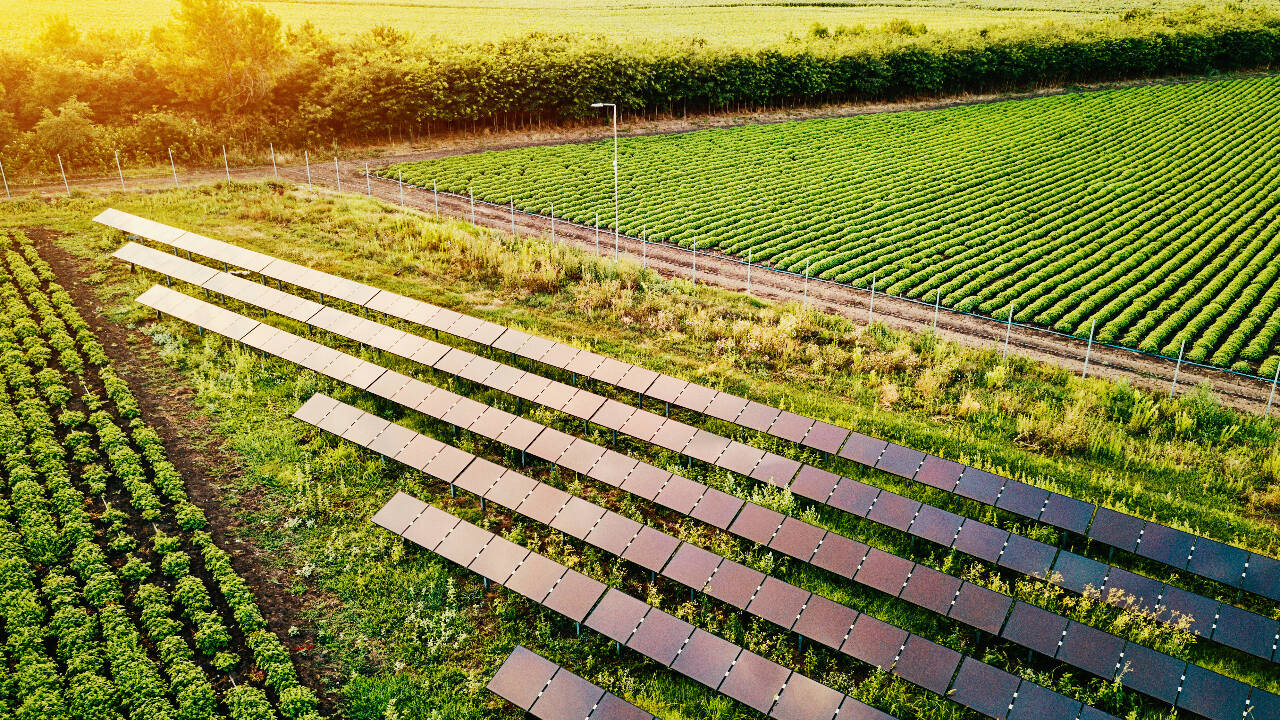
Agrologists watched the berry crop all through the growing season, comparing fruit grown under the panels to berries exposed to full sun.
The report also states that the climatic conditions under the panels were monitored by researchers and the sensors showed that the tall structures created a much cooler microclimate. The panels filtered the harsh midday sunlight, reducing soil temperatures and altering airflow over the fields. Most importantly, the shade kept the ground moist for longer periods and this helped the berry plants stay hydrated during hot summer days. It is believed that the raised panels help to reduce direct exposure to harsh sun and naturally slow evaporation to save water.
Less sunlight may be bad for crop
While the data from the environment has been encouraging, researchers are concerned about the practice. It is explained that plants like berries need sufficient sunlight in order to perform photosynthesis, and too much shade could potentially reduce fruit size, delay ripening or affect sweetness. Hence, the agrologists watched the berry crop all through the growing season, comparing fruit grown under the panels to berries exposed to full sun. As the harvest season approached, the researchers were surprised at the results. Berries grown under the raised solar panels were larger, juicier and noticeably sweeter than berries grown in full sun. The shade from the filter moderated heat stress and slowed fruit ripening.
Is climate-resilient farm the future?
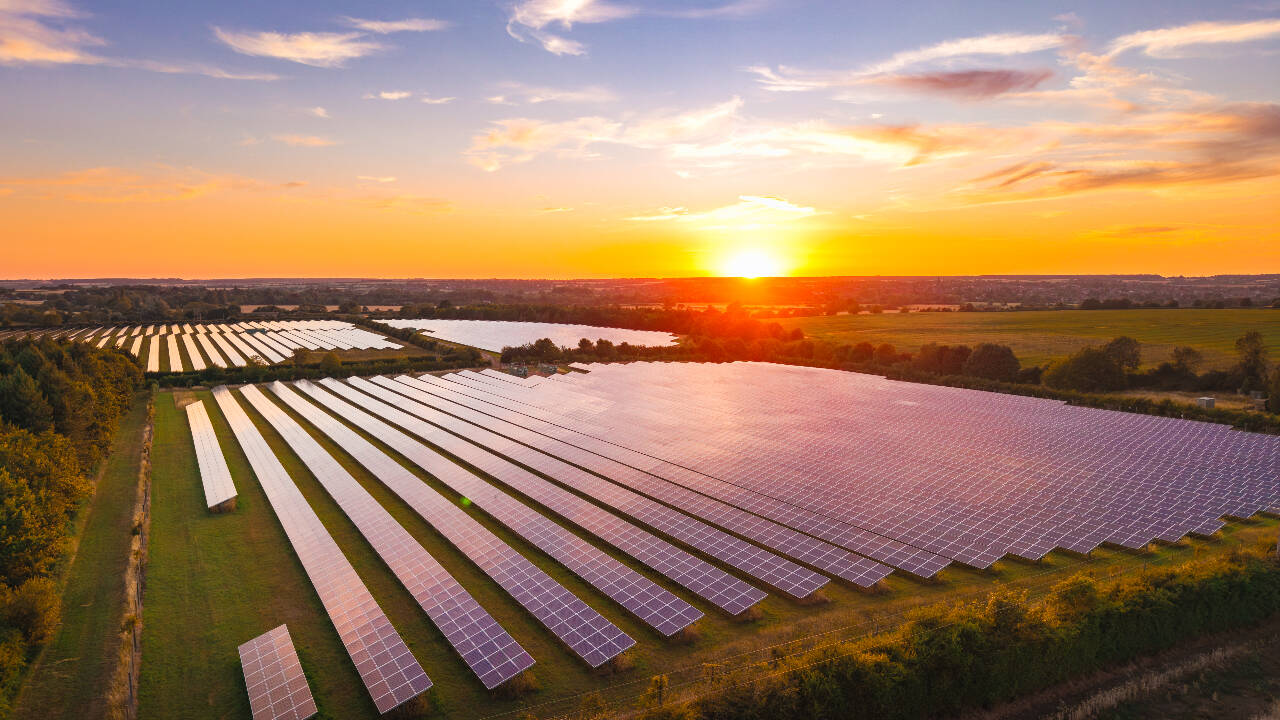
The experts feel that use of technologies might result in climate-resilient farm as the future of farming.
The Massachusetts project also shows how agrivoltaics can help agriculture adapt to a warming climate. Larger solar panels lower soil temperatures and water loss, which in turn reduces the need for irrigation and protects crops from heat stress. Such savings could prove more critical in areas increasingly susceptible to droughts. And now the experts feel that use of technologies might result in climate-resilient farm as the future of farming.Images Courtesy: istock Go to Source