
avocado
If you live in America and love guacamole, there is a good chance the avocados in your bowl came from Mexico. What is surprising is that the rules used to bring those avocados into the United States may also have helped clean up nearby waterways in Mexico.A 202 analysis titled ‘Agricultural trade policy and water quality: evidence from the Mexican Hass Avocado Import Program’ by Wiliam Townsend suggests that stricter U.S. import requirements introduced in 2016 pushed avocado growers to reduce routine chemical use, which in turn lowered nitrogen pollution in surrounding waters by about 10%.In other words, a trade policy designed to regulate imports may have delivered an unexpected environmental benefit too.
A trade deal with a bigger impact than expected
In 2016, the United States expanded avocado imports from across Mexico, but only under strict conditions, as per reports. To export to the U.S., orchards had to meet the U.S. Department of Agriculture’s production standards, pass repeated inspections, and provide phytosanitary certificates confirming the fruit was free of target pests such as avocado weevils and fruit flies.Before that change, only Michoacán could export avocados to the U.S. After the new rules, more regions in Mexico could access the lucrative market, but only if they followed the required inspection and certification process.That mattered not just for trade, but for farming behaviour. Because shipments could be rejected at the border if pesticide residues were too high, growers had a strong incentive to avoid blanket spraying and instead manage pests more carefully.
Why avocado farming can pollute water
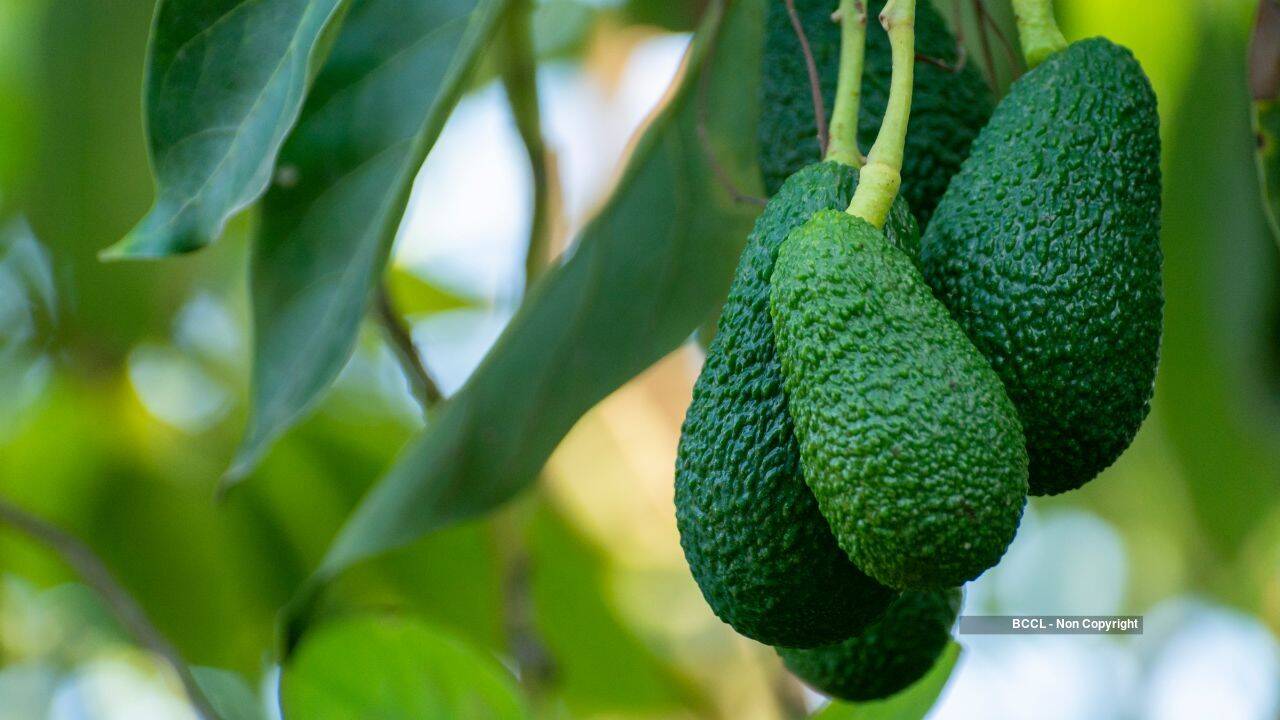
Avocado farming (representative image)
Growing avocados at commercial scale often requires nitrogen fertilizer and other agrochemicals.Some of those chemicals get washed from the orchards into rivers and streams when it rains.Nitrogen runoff is a serious issue because it can feed algal blooms, reduce oxygen levels in water and harm fish and other aquatic life. It can also contaminate drinking water sources that local communities rely on.That is why the environmental angle of this study is so important. Avocado production is not just a food story or a trade story. It is also a water quality story.
Why the pollution story went in the other direction
Economists often talk about the “pollution haven” effect, where wealthy countries outsource dirtier production to places with weaker environmental regulations. If that had happened here, growing U.S.demand for Mexican avocados should have increased pollution.But the research found the opposite. The new rules appear to have encouraged more careful pest monitoring and less routine spraying. That shift likely reduced the need for heavy fertilizer-and-pesticide use, which then lowered the amount of nitrogen washing off farms into nearby waterways.The key difference was monitoring.With a permanent inspection system in place, growers had a reason to scout fields, use traps and only treat orchards when actual pest problems appeared. That is a much more targeted approach than applying chemicals on a fixed schedule, as per reports.
The role of smarter farming
One of the most interesting parts of this story is that the environmental gains came from changing how farms operated, not from banning avocados or shrinking trade. The market stayed open, but the rules made production cleaner.The research shows growers are more likely to reduce unnecessary chemical use when threatened with losing access to a valuable export market. In avocado production, pesticides and fertilizers are often used in combination, so that reducing one makes the other less attractive as well.That means better trade standards can create a ripple effect. They can influence farm decisions, reduce runoff and improve water quality without ending the flow of goods across borders.
What the study found
The researchers compared nitrogen pollution near avocado-producing areas with similar areas that were not affected by the export change. They found that nitrogen concentrations declined by about 10% after the 2016 trade rules took effect.That may seem modest, but in environmental terms it is a big shift. Even a 10% reduction can matter for rivers, streams and communities downstream of agricultural land.The study also helps question the assumption that more trade always means more environmental harm. In this case, market access appears to have been used as leverage to improve farming practices.
Why this matters for trade policy
The U.S., Mexico and Canada are still negotiating the future of their free trade agreement, and this research offers a useful lesson. Trade agreements do not just move products. They can also shape how those products are made.If import rules are carefully designed, they can encourage cleaner production instead of rewarding the dirtiest methods. That could matter for many farm goods, not just avocados.For policymakers, the message is clear: environmental standards do not have to slow trade down. In some cases, they can make trade cleaner, smarter and more sustainable.
What it means for consumers
For shoppers, the story behind a bowl of guacamole may seem far away. But food choices are connected to farming systems, and farming systems are connected to water quality.The rules behind the products we buy can matter as much as the products themselves. A trade rule may not be visible at the grocery store, but it can still help shape whether a river runs cleaner or dirtier downstream.This is a good example of how policy can influence everyday life in quiet but important ways. The avocados may taste the same, but the way they are grown may be changing for the better.
The bigger lesson
The biggest lesson from this study is that trade and environmental protection do not have to be at odds. In the case of Mexican avocados, stricter U.S.import rules helped push farmers toward more careful chemical use, which likely reduced water pollution.That is a rare win-win in a debate that often feels like a zero-sum choice between economic growth and environmental health. Here, better rules appear to have delivered both trade access and cleaner water.So, for people in the US, the next time you dip a chip into guacamole, there is a good chance you are tasting more than just avocado. You may also be tasting the result of a policy change that helped make farming cleaner on the other side of the border. Go to Source