
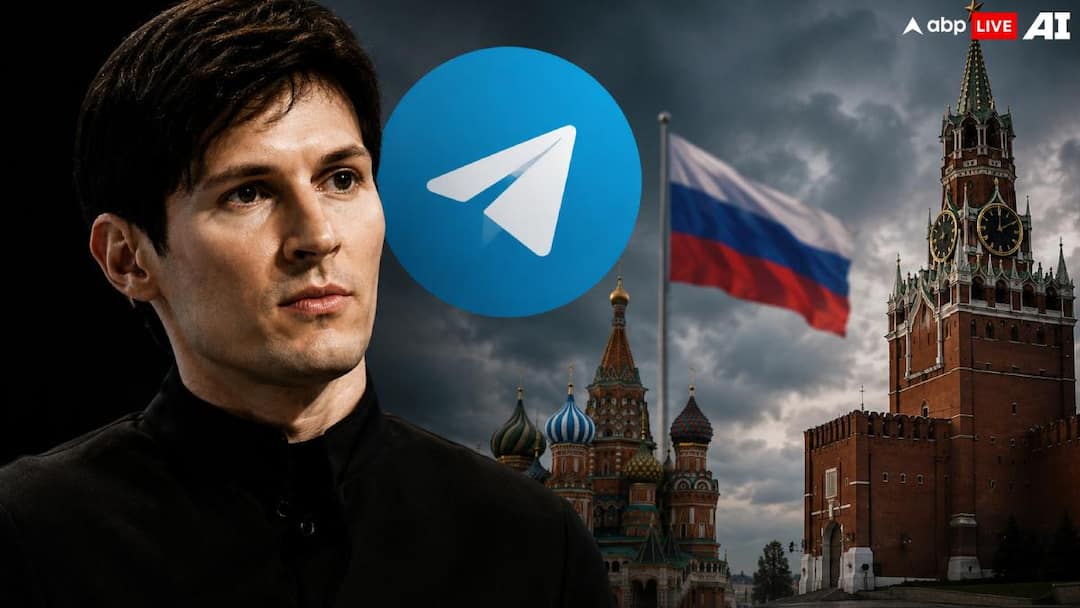

- Russia charged Telegram founder Pavel Durov with aiding terrorism.
- FSB accused Telegram of failing to remove extremist content.
- Durov calls charges a move to suppress free speech.
- This action is part of Russia’s wider internet crackdown.
Russia has escalated its crackdown on Telegram by charging the messaging platform’s founder Pavel Durov with aiding terrorism and placing him on an international wanted list. The move marks the latest step in Moscow’s tightening grip over digital platforms as authorities continue efforts to bring online communication under greater state control.
The announcement came from Russia’s Federal Security Service (FSB), as reported by the Associated Press, which accused Telegram of failing to act against content allegedly linked to terrorism and extremist activities. Durov, who was born in Russia but later relocated overseas, has previously criticised Moscow’s actions against the platform and denied allegations that Telegram facilitates criminal activity.
FSB Accuses Telegram Of Failing To Curb Extremist Content
According to the FSB, Telegram’s administration did not remove “numerous channels, chats and bots” that are “actively used by Ukrainian intelligence agencies, terrorist, and extremist organizations to prepare and coordinate acts of sabotage and terrorism, mass murder, and cyberfraud” in Russia, which resulted in “numerous human casualties.”
The security agency also alleged that Ukrainian intelligence agencies had been using a dating chatbot available on Telegram to recruit Russian citizens for attacks inside the country. Officials claimed that 46 users of the chatbot, aged between 12 and 22 years, have been detained across Russia since July 2025 over alleged involvement in “sabotage and terrorist activities.”
If convicted under Russian law, Durov could face a sentence of up to life imprisonment.
ALSO READ: Pavel Durov Accuses Reliance Of ‘BGP Hijacking’ Telegram, Ends Up Targeting Wrong Company
Durov Says Charges Are Aimed At Restricting Free Speech
Earlier this year, Durov revealed that Russian authorities had opened a criminal investigation against him. At the time, he accused the government of creating false grounds to target Telegram.
He alleged that the investigation was an effort to “suppress the right to privacy and free speech,” arguing that the action was designed to increase pressure on one of Russia’s most widely used messaging services.
Telegram continues to remain one of the country’s most popular communication platforms despite increasing restrictions imposed by authorities.
Russia Tightens Internet Controls
The charges against Durov come against the backdrop of a broader campaign by the Kremlin to strengthen control over the internet, a process that has accelerated since Russia launched its full-scale invasion of Ukraine in February 2022.
Over the past few years, Russian authorities have introduced stricter internet regulations, blocked access to several foreign platforms and expanded their ability to monitor online activity.
Social media platforms including Facebook, Instagram and X have been banned in the country. Authorities have also slowed access to YouTube, while messaging services such as Signal and Viber have been blocked. Restrictions have also affected WhatsApp and Telegram, although both continue to be widely used.
Many users rely on virtual private networks (VPNs) to bypass restrictions, but Russian regulators have repeatedly moved to block VPN services as well.
ALSO READ: Pavel Durov Calls India’s NEET-Linked Ban Ineffective And Misguided, Says 150 Million Users Punished
Government Promotes Domestic Alternative To Foreign Messaging Apps
Alongside restrictions on international platforms, Russia has been promoting a domestic messaging service called MAX. Officials describe it as an all-in-one platform offering messaging, government services, digital payments and other online functions.
However, critics have raised concerns over user privacy. The platform openly states that it will provide user data to authorities upon request, while cybersecurity experts have also pointed to the absence of end-to-end encryption as a significant concern.
The latest case is not the first time Durov has faced legal scrutiny. In 2024, he was arrested in Paris over allegations that Telegram was being used for illegal activities, including drug trafficking and the distribution of child sexual abuse images.


