
- Iran Guards stopped six vessels in unapproved Hormuz routes.
- Oil prices fell, US-Iran pause boosted talk hopes.
- Iran denies direct talks with US; Hormuz still closed.
Iran Says Revolutionary Guards Stop Six Vessels In Hormuz
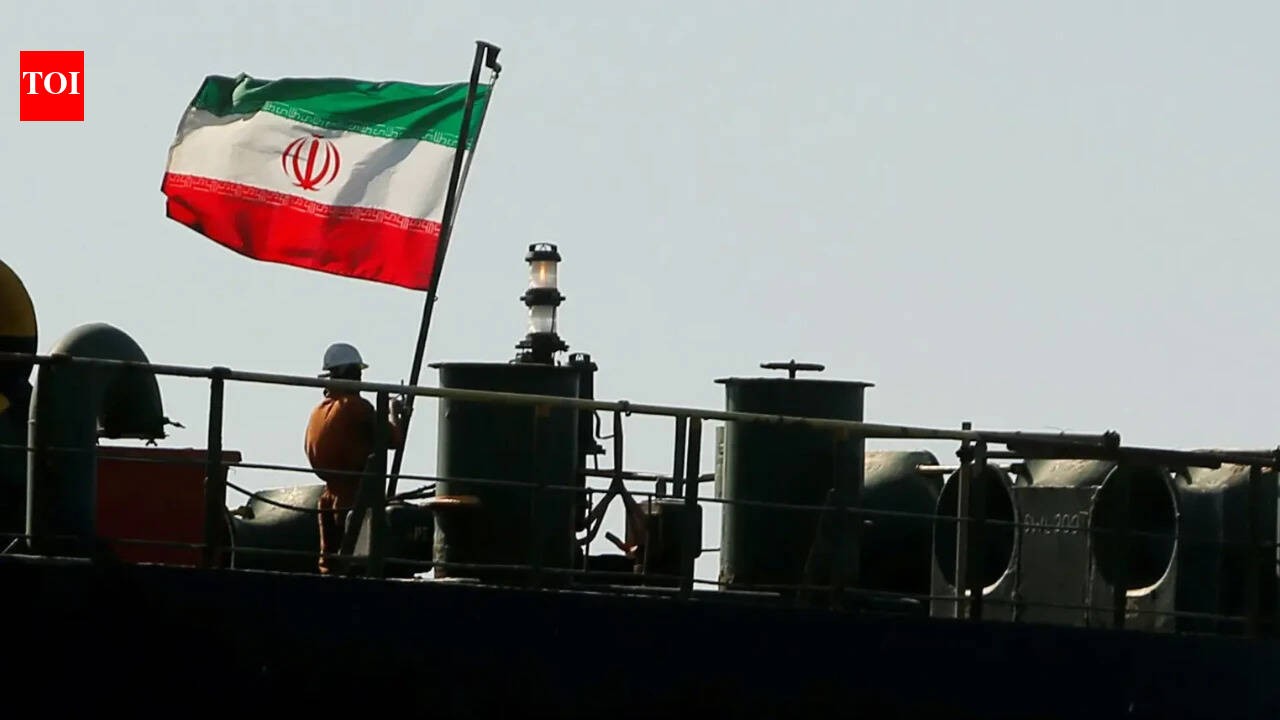
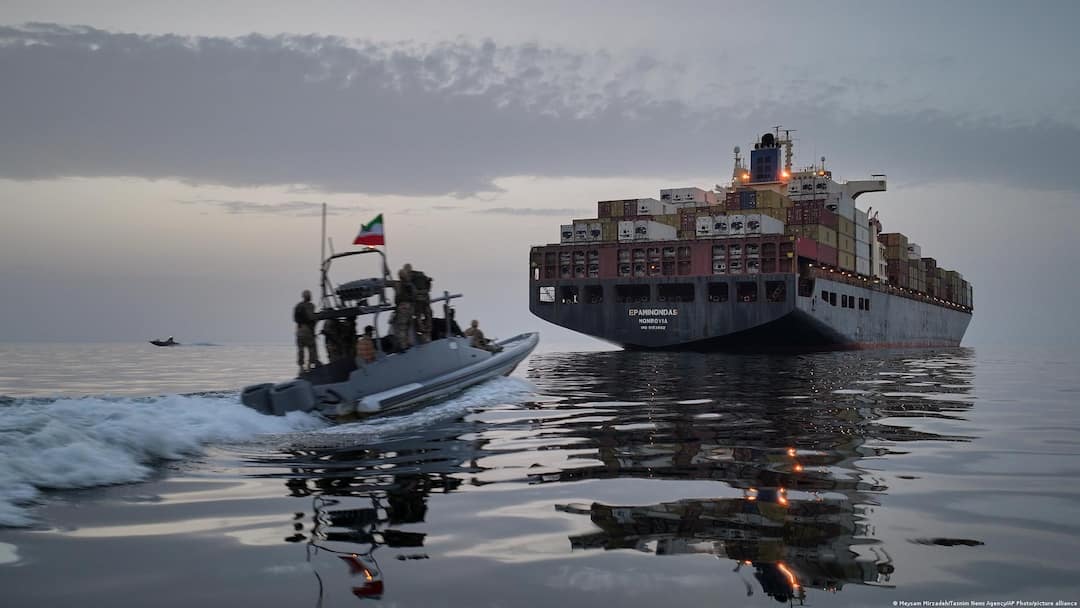
Iran’s Revolutionary Guards navy stopped six vessels attempting to transit the Strait of Hormuz through routes not approved by Iranian authorities, Iran’s state television reported on Monday.
According to a state TV correspondent, the vessels were intercepted overnight after trying to use routes outside those designated by Iran. The report said the IRGC Navy fired warning shots before turning the vessels back.
Earlier, state television reported an unspecified “incident” involving one vessel but provided no further details.
The latest action follows a similar episode on Saturday, when the Revolutionary Guards said they stopped four vessels attempting to transit the southern part of the strait after firing warning shots.
ALSO READ | Berlin Pride Attack: Suspect Shot Dead After Van Ramming Kills 1, 29 Injured
Oil Prices Fall As US-Iran Pause Raises Hopes For Renewed Talks
Oil prices fell sharply on Monday after a pause in hostilities between the United States and Iran boosted hopes for a return to ceasefire efforts and negotiations over the Strait of Hormuz.
Brent crude dropped more than 7% at one point, briefly falling below $90 (€79) a barrel, as investors welcomed signs of de-escalation after nearly two weeks of exchanges between Washington and Tehran.
The US refrained from launching further strikes over the weekend, while Iran said it would halt retaliatory attacks against regional neighbors. The moves eased concerns over disruptions to shipping routes and global energy supplies.
Meanwhile, Iran said discussions with Oman had made progress on managing the Strait of Hormuz, a critical global oil transit route. Foreign Ministry spokesperson Esmaeil Baghaei said the talks focused on ensuring safe shipping passage while respecting the sovereignty of the countries involved.
The recent conflict had pushed oil prices above $100 a barrel for the first time since May, as concerns grew over threats to shipping in the Strait of Hormuz and the Red Sea.
ALSO READ | Communal Clash Erupts In Nepal’s India-Bordering Sunsari; 1 Killed, Restrictive Orders Imposed
Welcome To Our Coverage
Iran’s Foreign Ministry spokesperson Esmaeil Baghaei said Tehran has not sought to resume talks with Washington and does not currently hold direct talks with the US.
While mediators continue to pass on messages, Baghaei said the situation in the Strait of Hormuz remains unchanged and the waterway is still closed. He also said some Gulf countries had been involved in the US war on Iran, without providing further details.
(Disclaimer: This report first appeared on Deutsche Welle, and has been republished on ABP Live as part of a special arrangement. Apart from the headline, no changes have been made in the report by ABP Live.)