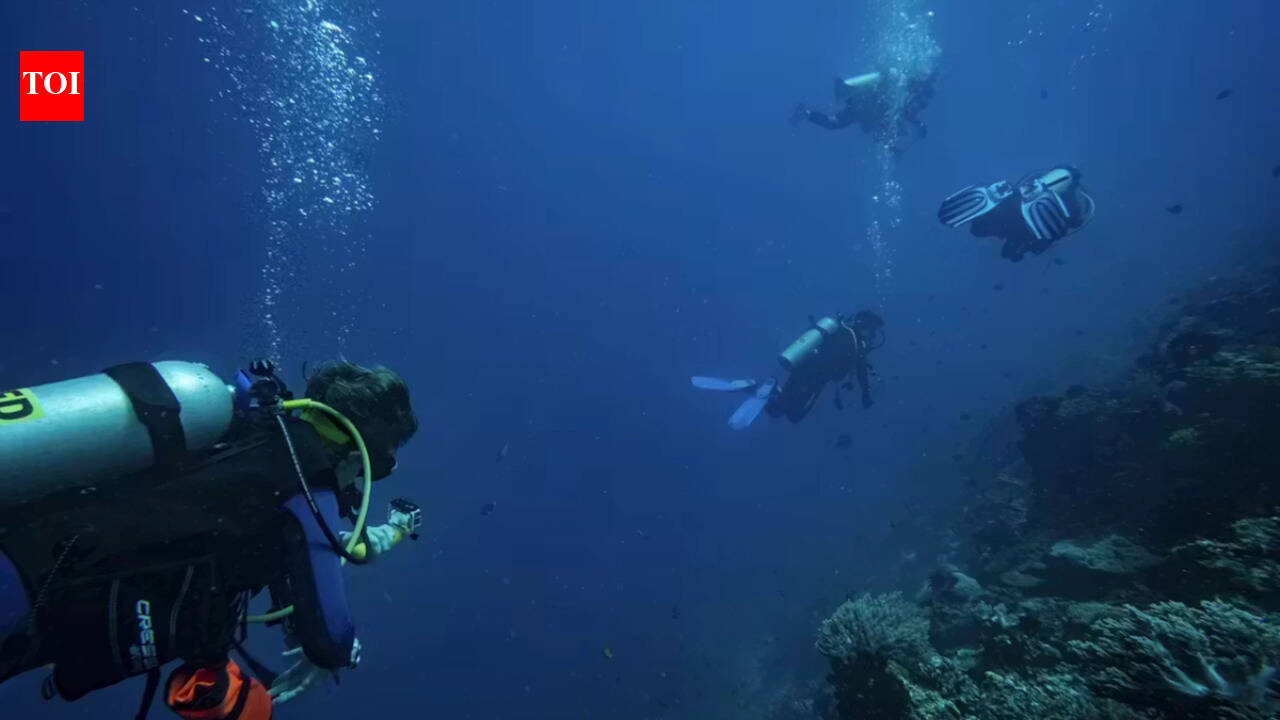

A researcher following scuba divers for this project
Most scuba divers believe they rarely touch fragile seabed ecosystems, yet underwater observers tracking hundreds of tourists found that more than 40 per cent of their physical contacts caused visible damage to living coral structures.Research published in The Conversation by marine scientists and dive professionals revealed that recreational divers make physical contact with the reef an average of once every four minutes. When surveyed immediately after returning to the boat, those same divers underestimated their actual contact frequency by almost fivefold, with many remaining completely unaware of the collisions they had caused.The researchers spent hundreds of hours following, observing, and surveying 732 recreational scuba divers across world-famous marine destinations in Indonesia and the Philippines. The investigation aimed to measure the direct environmental impact of marine ecotourism at a time when global coral systems face unprecedented stress from climate change, coastal development, and human activity.Each year, millions of people dive beneath the surface to experience coral reefs first-hand, generating vital income for coastal communities and helping tourists understand why these ecosystems matter. However, the study highlights a growing conservation challenge, as a single misplaced fin, hand, or camera adds to the heavy pressures reefs already endure.
Overconfidence beneath the surface
The survey data exposed a sharp disconnect between how divers view their underwater skills and how they perform in the water. Among the participants surveyed, 69 per cent rated themselves “above average” at avoiding intentional reef contacts, while 86 per cent classed themselves “above average” at avoiding accidental bumps.Despite these high self-assessments, more than 40 per cent of all recorded physical touches resulted in direct harm, including broken coral branches or clouds of sediment kicked up onto living coral tissues. The study found that the divers making the most frequent contacts were also the most overconfident about their buoyancy control and underwater swimming technique.The authors noted that this pattern fits the Dunning-Kruger effect, a well-established psychological phenomenon where individuals with lower skill levels fail to recognise their own limitations. Because most damaging strikes are accidental and happen out of the diver’s direct line of sight, individuals rarely realise they are causing harm, removing any perceived need to fix their technique or adjust their position in the water column.
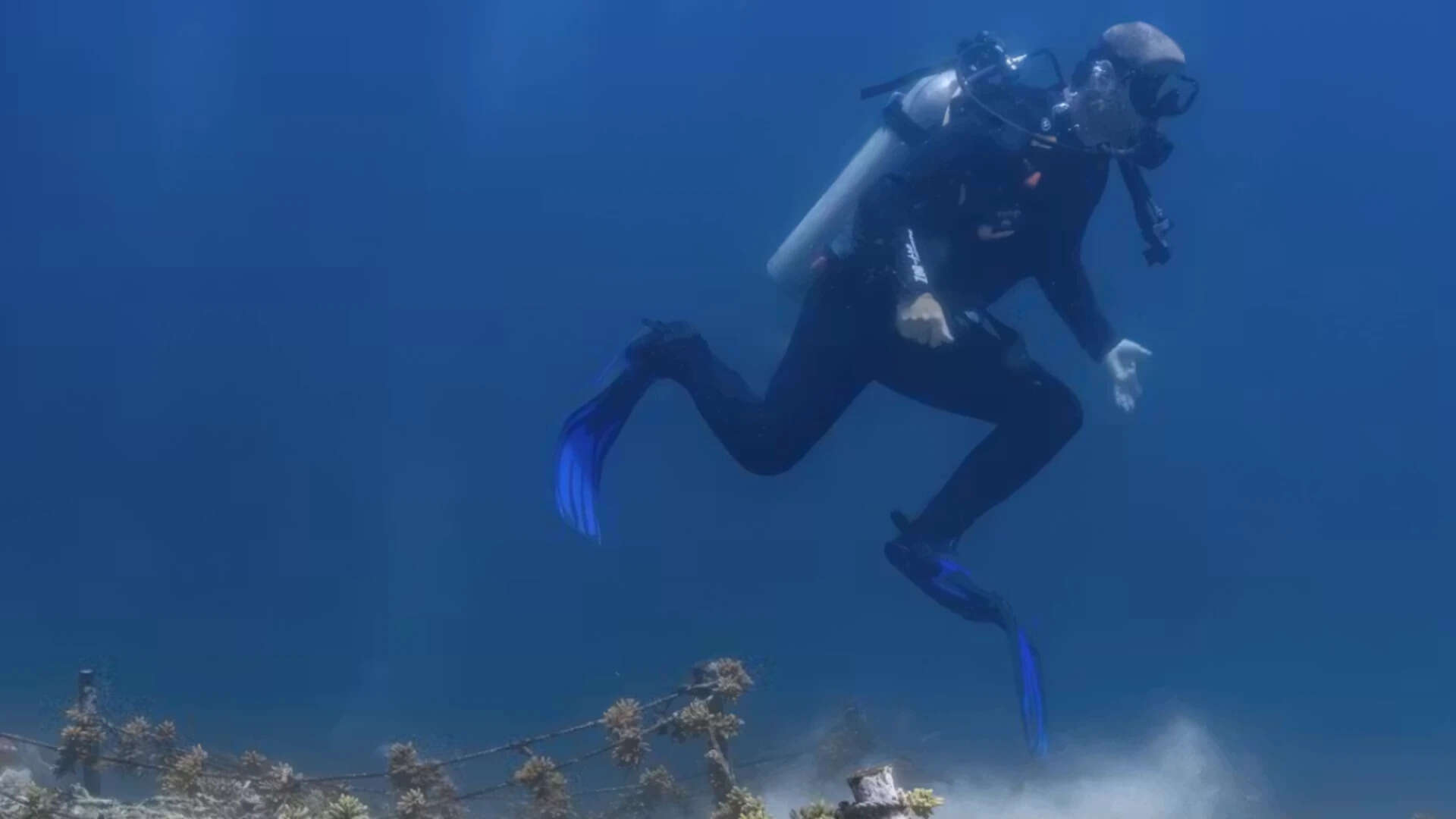
A scuba diver stirs up sediment at a coral restoration site in Bali, Indonesia.
Social cues and big marine encounters
Underwater behaviour was also heavily influenced by social dynamics and environmental triggers on the dive site. Researchers recorded clear evidence of social contagion, a process where one diver touching or resting on the reef led nearby swimmers to unconsciously copy the action. This subtle peer influence reshaped what felt acceptable underwater, creating social norms that directly harmed sensitive marine life.Excitement also played a major role in reef damage. Seeing large or charismatic species such as sharks, turtles, and manta rays drastically increased the likelihood of both accidental and intentional reef touches. During these peak encounters, divers focused entirely on getting a closer look or taking photographs, drifting dangerously close to the delicate sea floor.Equipment choices further increased collision rates. Divers carrying underwater cameras, using metal muck sticks to balance on the sea floor, or wearing gloves were consistently observed making more frequent contact with the reef than those diving without extra accessories. While some dive locations have introduced local conservation rules restricting these items, such measures are often unpopular within the recreational diving community.
Practical steps for marine tourism
The researchers emphasised that reef damage caused by scuba diving is not an inevitable outcome and can be addressed through better operational rules, targeted training, and industry standards.Reducing group sizes during dives, establishing appropriate viewing distances around major marine animals, and enforcing clear restrictions on non-essential gear like gloves or stabilization rods can immediately reduce collision rates. Dive guides and instructors also play a central role by modeling good behaviour, delivering thorough pre-dive safety briefings, and providing honest post-dive feedback to help divers recognize poor buoyancy control.Formal conservation standards are already proving effective in curbing damage. The study highlighted that dive centres operating under Green Fins certification, an international initiative promoting sustainable marine tourism practices, recorded significantly fewer intentional reef contacts, particularly among higher-performing dive businesses.However, the authors concluded that widespread conservation success will ultimately depend on shifting expectations across the entire marine tourism industry. Understanding the psychology behind underwater human behaviour and helping divers accurately assess their own skills remains one of the most effective ways to protect fragile coral ecosystems for the future. Go to Source