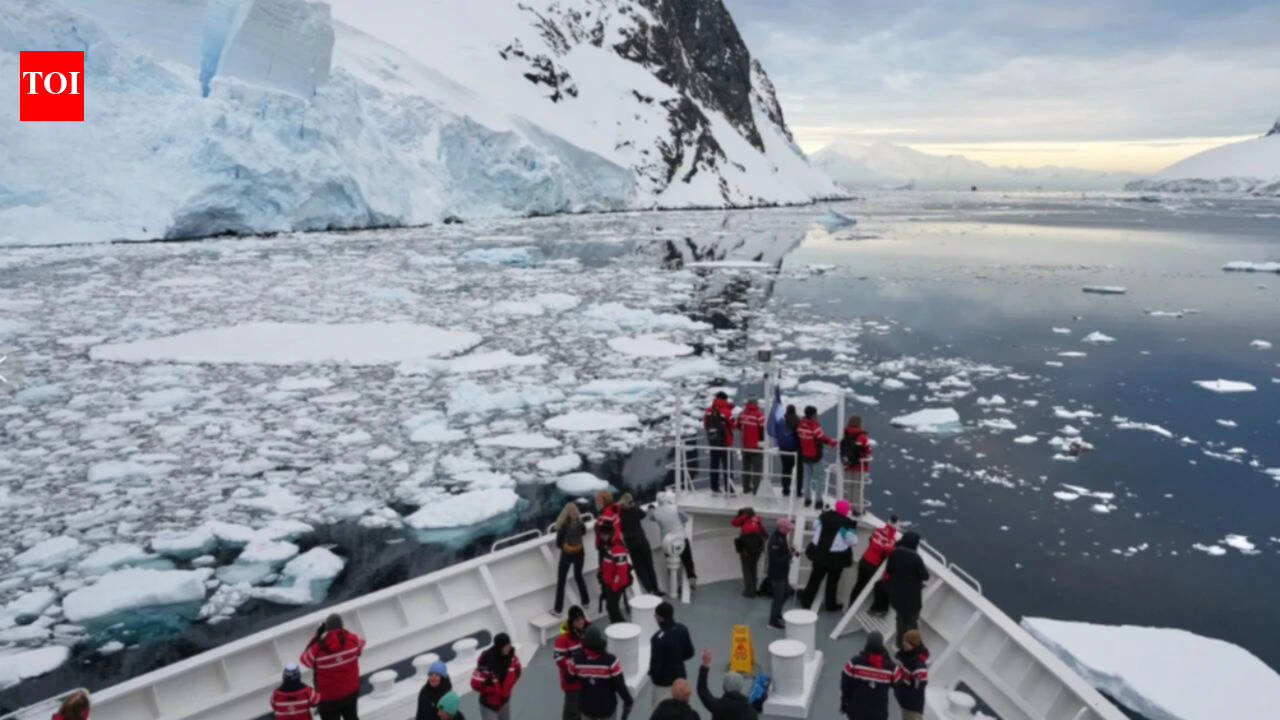

A ship sails through the Lemaire Channel in Antarctica (AP file photo)
A new study has found that several former Antarctic tour guides decided to leave their jobs because they could no longer balance their love for the continent with the environmental impact of the tourism industry. Researchers spoke to 25 former guides who said that watching climate change up close while bringing more tourists to Antarctica made them question whether they were doing the right thing.The study, published by researchers writing for The Conversation, highlights the emotional struggle many of these guides experienced over several years. None of them quit suddenly, but they underwent a slow process of reflection as they watched the continent change and tourism continue to grow.One former guide recalled seeing huge pieces of ice breaking away from glaciers while tourists celebrated the dramatic sight. “You’d see massive glacier calvings, and you’d just want to cry. But all the guests would be cheering. And you’d be like, ‘can you not put two and two together?'”
Tourism increasing rapidly
Antarctica has become an increasingly popular travel destination over the past few years. According to the study, more than 120,000 visits were recorded during the 2025–26 tourism season. Researchers say this number could rise to around 450,000 visits every summer within the next decade.This growth has raised concerns because Antarctica is one of the world’s most environmentally sensitive regions. The continent has unique ecosystems and wildlife that can be affected by human activity.Tourism also creates a large carbon footprint. Most visitors reach Antarctica on cruise ships or by flying to connecting ports before boarding ships. These journeys release significant amounts of carbon dioxide (CO2), a greenhouse gas that contributes to climate change.This created a conflict for many guides as their job involved teaching visitors about climate change and protecting nature, while at the same time helping an industry that produces high emissions.
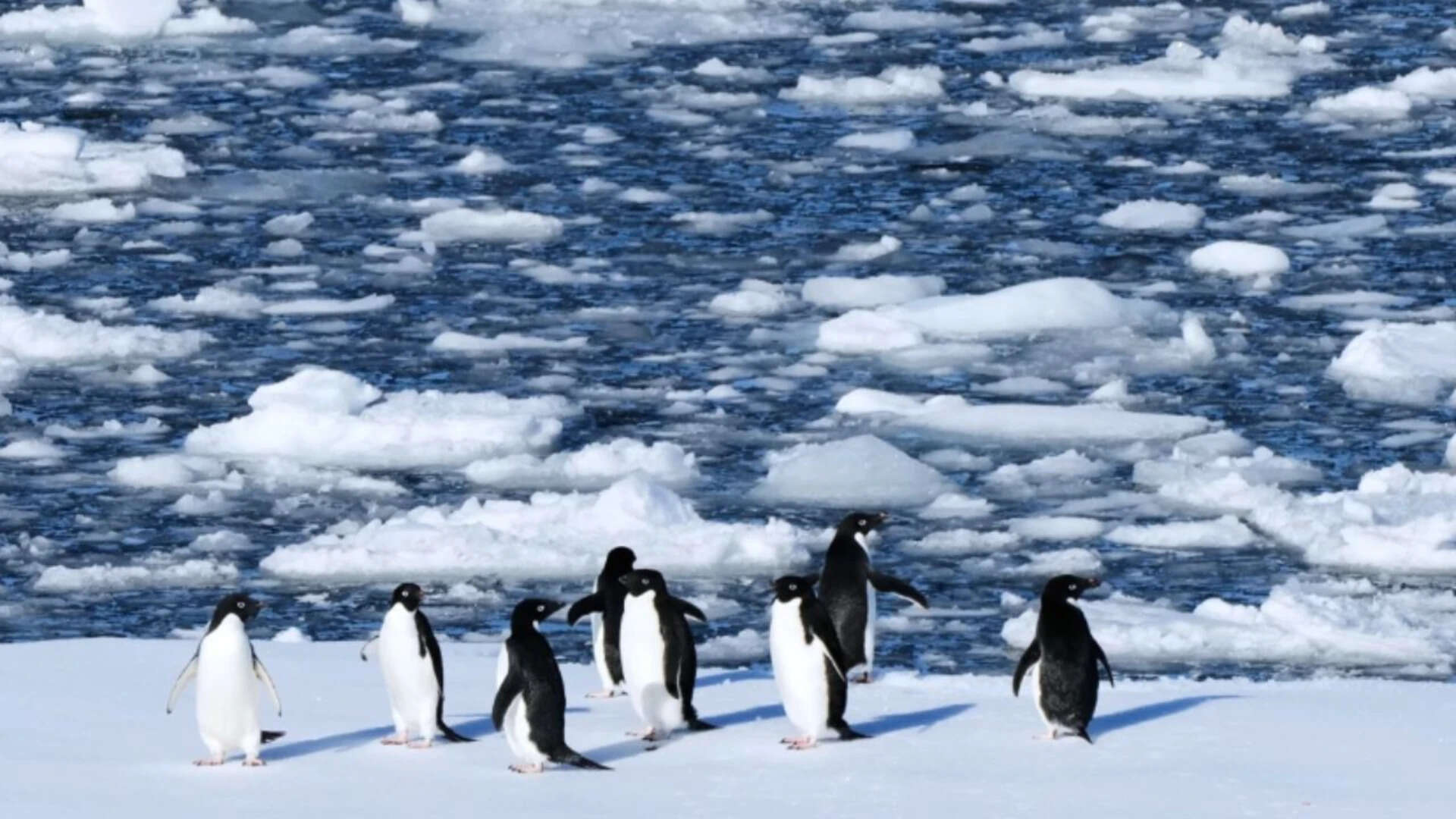
Penguins stand on a block of floating ice at Yalour Islands (AP file photo)
Climate change impossible to ignore
Many of the former guides say they personally witnessed the effects of climate change during their years in Antarctica. One guide described working during the hottest day ever recorded on the continent in 2020.”I was down there on the hottest day ever recorded in 2020. Hiking up a glacier in my T-shirt, driving boats without gloves. It was really sad. The impacts of climate change absolutely hit you in the face.”Glaciers are large masses of ice that slowly move over land. As global temperatures rise, glaciers can melt faster or break apart more often. This process, known as glacier calving, happens when large chunks of ice break away from the edge of a glacier and fall into the sea.Although glacier calving is a natural process, climate change is increasing ice loss in many parts of Antarctica.
Penguins got few hours
The former guides were not only concerned about climate change. Many also worried about the growing number of visitors reaching wildlife habitats. One guide described how penguin colonies received almost continuous streams of tourists during the day.”Very often, for long periods of time, the penguins had maybe a few hours’ break during the night. Otherwise there were hundreds of people walking through the colonies non-stop.”Antarctica’s wildlife has evolved in an environment with very little human disturbance. As tourism increases, concerns have grown about how repeated human presence may affect animals and fragile ecosystems.
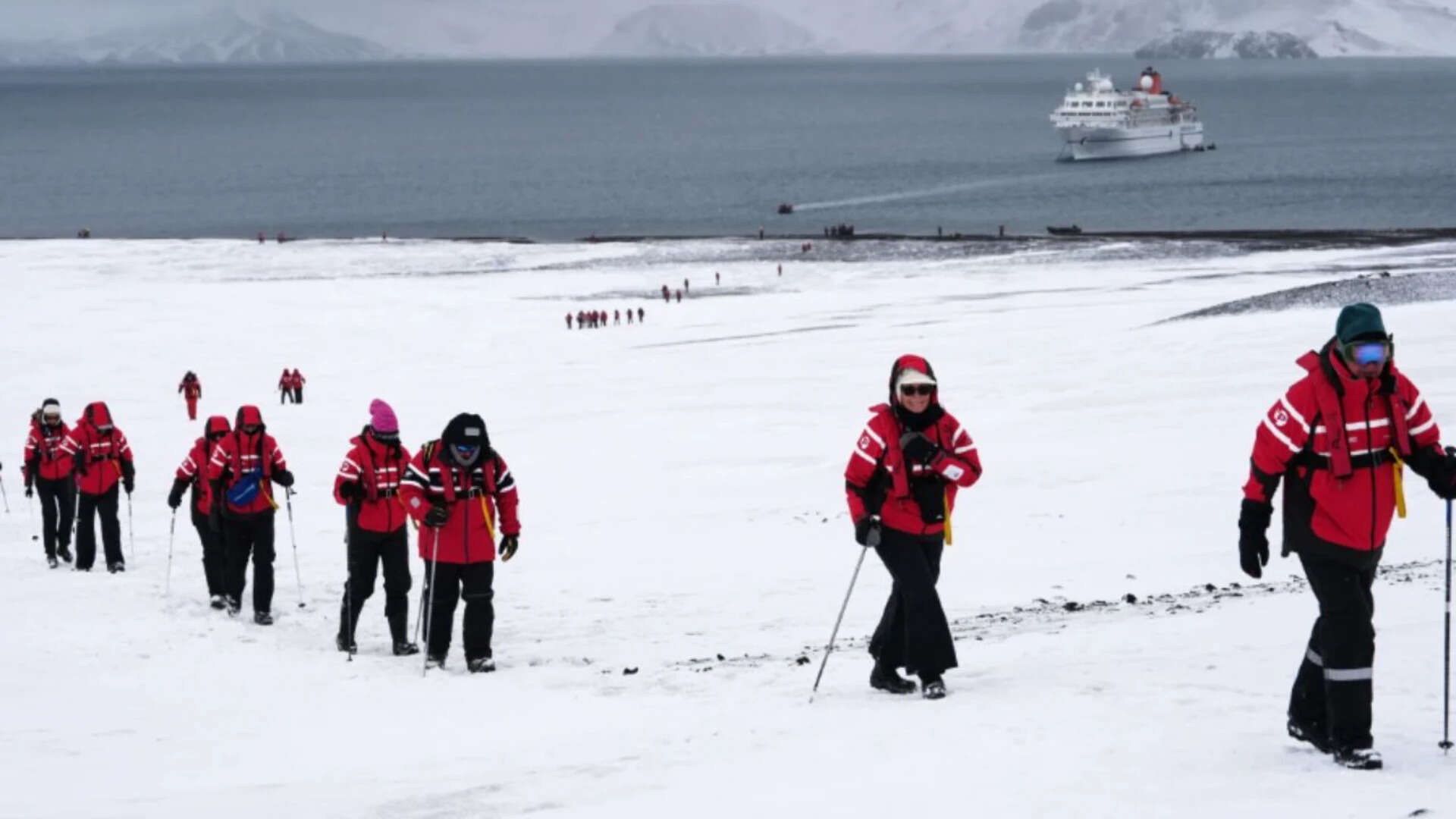
Passengers walk inside the volcano at Deception Island (AP file photo)
Years of internal conflict
The guides’ decisions to leave were shaped by years of internal conflict rather than a single event. One participant explained how they constantly struggled with two opposing feelings. “We are always in conflict in our minds with two parts; the excitement to go to Antarctica to work in remote places we like, and being complicit in tourism industry development.”Another guide said they could no longer continue working under those conditions. “I can’t work in the farce of climate change cruise tourism anymore. It’s just, how can I go there, tell people about climate change and not do anything about it?”The study says this kind of moral conflict can affect a person’s mental well-being. The guides described feeling stressed because their work no longer matched their personal beliefs.
Leaving was painful
Walking away from Antarctica was not an easy decision for most participants. One guide explained that thinking about future generations influenced their decision. “I think what it comes down to for me is, you know, if I think about being on my deathbed and trying to look my kids in the eyes and saying, ‘I tried.’ I don’t know if I could have done that if I kept doing what I was doing.”Another participant said Antarctica remained one of the most remarkable places they had ever seen. “To this day, Antarctica stays in the forefront of my head as the most incredibly raw environment that deserves all the care and protection. And I just think tourism and us being there was doing the opposite of that completely.”One guide admitted they still missed leading visitors onto the sea ice but knew returning would bring back the same feelings of guilt.The researchers say the interviews showed that caring about a place does not always mean staying there. Several participants said they felt physically and mentally better after making that decision.”I was working very much against what I knew wasn’t right, and I think that was coming out in my body as well. And then when I made that decision to walk away, I just felt so much better. It was like I could breathe again,” one of the guides said. Go to Source