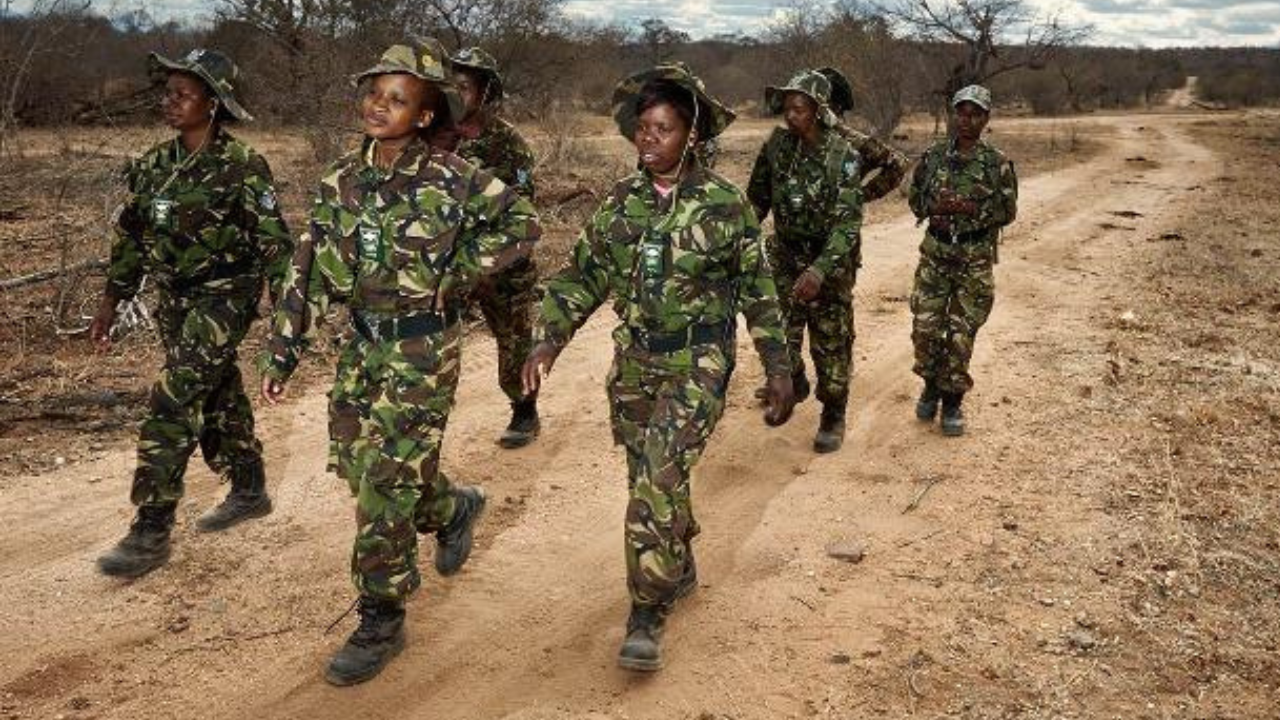

Across South Africa’s Greater Kruger landscape, a pioneering group of women is challenging conventional ideas about how endangered wildlife should be protected. Known as the Black Mambas, these unarmed female rangers patrol the bush looking for snares, damaged fences, footprints and other signs of illegal activity. Rather than confronting suspected poachers with guns, their approach focuses on prevention, surveillance and early detection, helping protect rhinos and other vulnerable animals before they are targeted. Recruited largely from communities surrounding protected areas, the women have also become conservation ambassadors, showing how protecting wildlife can go hand in hand with creating opportunities and strengthening local support for conservation.
Meet the Black Mambas protecting South Africa’s endangered rhinos
The Black Mamba Anti-Poaching Unit was established in 2013 by Transfrontier Africa amid growing concern over wildlife crime and rhino poaching in South Africa. The initiative recruited women from communities surrounding protected areas and trained them to become frontline conservation rangers.The unit operates in the Greater Kruger landscape, including areas associated with Balule Nature Reserve. This vast ecosystem is home to some of Africa’s most iconic wildlife, including black and white rhinos, elephants, lions and leopards. Although the unit’s size has changed over the years and different sources have reported different numbers of rangers, accounts have described dozens of women serving with the Black Mambas. Their presence has helped bring international attention to a different model of wildlife protection.
They patrol the wilderness without carrying guns
One of the most remarkable aspects of the Black Mambas is that their regular patrols are conducted without firearms.Instead of operating primarily as an armed response force, the rangers concentrate on preventing poaching by maintaining a visible presence across the landscape. They walk long distances through the bush, inspect fences and look for evidence that people may have entered protected areas illegally.The women are trained to recognise footprints and other signs of suspicious activity. If they discover a serious threat requiring an armed response, specialised security teams or law enforcement personnel can be called to intervene.Their role is therefore often about detecting danger early, before poachers have an opportunity to reach their targets.
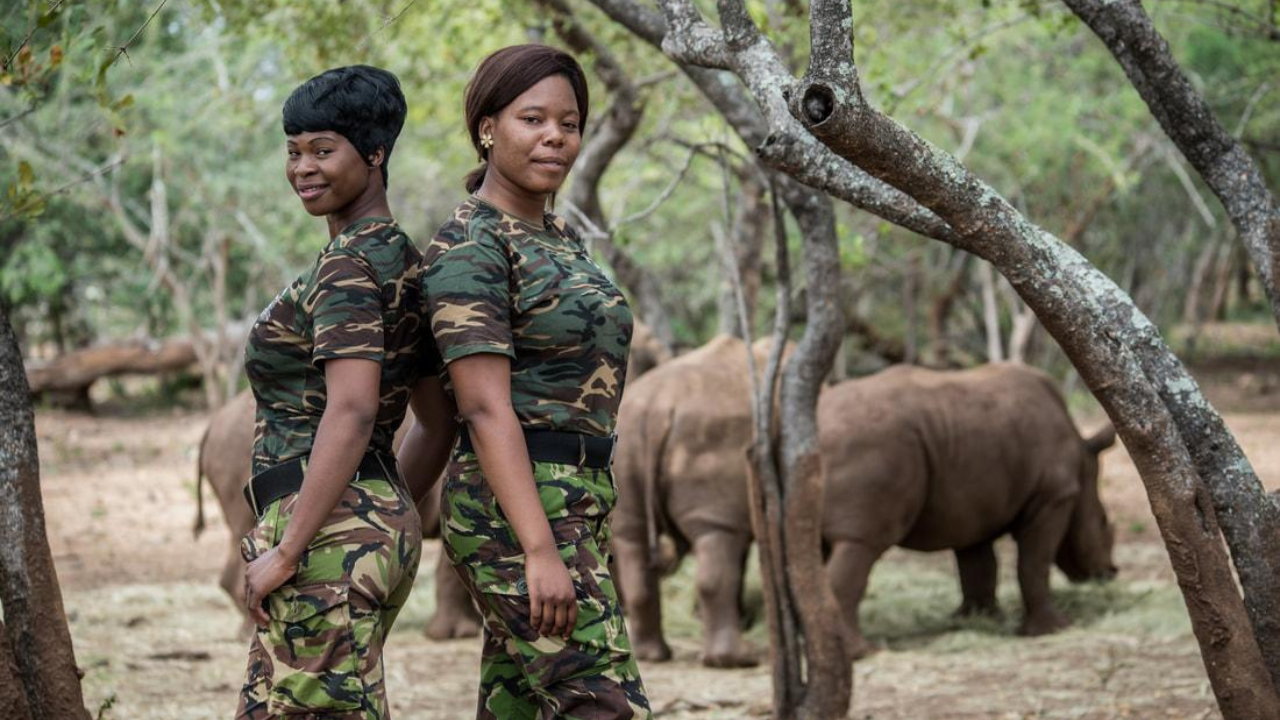
Searching for deadly snares is part of their daily mission
Rhinos are not the only animals threatened by illegal hunting. Wire snares placed throughout the bush can trap and kill wildlife indiscriminately.These simple devices are often difficult to spot and can remain hidden along animal trails. Antelopes and other animals can become caught in them, sometimes suffering severe injuries or dying before anyone discovers them.Black Mamba patrols therefore involve searching for and removing snares before they can cause further harm. Rangers also look for illegal camps and other evidence of unauthorised activity.This work means the unit contributes to protecting the wider ecosystem rather than focusing exclusively on rhinos.
Why South Africa’s rhinos remain under threat
South Africa is one of the world’s most important strongholds for rhinos, but its animals have faced sustained pressure from poaching.Rhinos are primarily targeted for their horns, which are trafficked through international criminal networks and sold illegally in overseas markets. The enormous value placed on rhino horn has fuelled organised wildlife crime and made protecting the animals an ongoing challenge.Black rhinos are particularly vulnerable. Once widespread across sub-Saharan Africa, their numbers collapsed dramatically during the 20th century because of intensive poaching and habitat loss. Conservation programmes have helped populations recover from their lowest levels, but the species remains critically endangered.White rhinos have also suffered heavily from poaching, making security and conservation efforts essential to their long-term survival.
Their presence is designed to stop poaching before it happens
The Black Mambas’ strategy is based partly on deterrence. Regular patrols make it more difficult for people involved in illegal activities to move through protected areas unnoticed.A ranger who discovers a damaged fence, unfamiliar footprints or suspicious movement may provide the first warning that an illegal incursion has occurred.This constant monitoring can allow other teams to respond before wildlife is harmed. The Black Mambas effectively act as eyes and ears across the landscape, gathering information and identifying potential threats.Their work demonstrates that anti-poaching is not limited to pursuing criminals after an animal has already been killed. Prevention and early detection can be equally important parts of wildlife protection.
Conservation also begins outside the reserve
What makes the Black Mambas particularly distinctive is their strong connection with neighbouring communities.Many of the women are recruited from villages surrounding the protected areas where they patrol. Their employment provides income and professional opportunities while creating a direct relationship between conservation and local livelihoods.This connection matters because the future of wildlife reserves is closely tied to the people who live around them. Conservation becomes more sustainable when neighbouring communities can see tangible benefits from protecting wildlife and natural habitats.The rangers can also become influential voices within their communities, helping build understanding of why animals such as rhinos are worth protecting.
Teaching children could help protect the next generation of rhinos
Education has also formed an important part of the wider Black Mamba conservation model.Through environmental education and community outreach, efforts associated with the programme have sought to introduce young people to conservation and teach them about the wildlife living near their communities.The idea is that enforcement alone cannot solve poaching in the long term. Rangers can remove snares and detect illegal activity, but lasting conservation also depends on attitudes towards wildlife and the economic relationship between communities and protected areas.By engaging children and families, conservation programmes hope to build a future in which protecting wildlife becomes a shared local responsibility.
The Black Mambas have changed the image of the anti-poaching ranger
The Black Mambas have gained international recognition not only for their conservation work but also for challenging traditional perceptions of frontline wildlife protection.Anti-poaching operations are often associated with armed men confronting heavily organised criminal networks. The Black Mambas represent another layer of that fight, one built around visible patrols, intelligence gathering, early detection, snare removal and community engagement.Their work has also created opportunities for women in a field historically dominated by men, giving local women prominent roles in protecting some of Africa’s most threatened animals.For the rhinos roaming South Africa’s Greater Kruger landscape, the women provide an additional line of defence. They may patrol without guns, but their constant presence in the bush can help detect threats before they become deadly, demonstrating how conservation can combine security, community involvement and prevention in the fight against wildlife crime. Go to Source