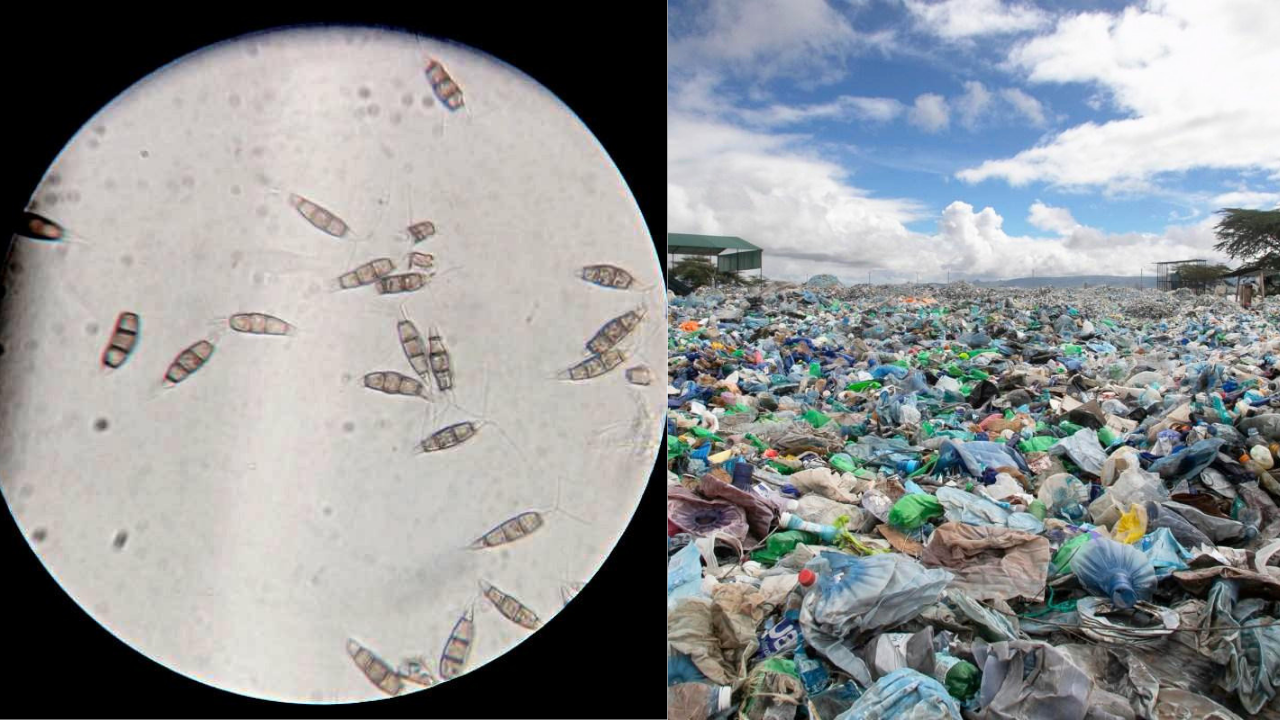

Deep within the Ecuadorian Amazon rainforest, scientists discovered a fungus with an extraordinary ability that could offer new clues in the fight against plastic pollution. Known as Pestalotiopsis microspora, the fungus can break down polyester polyurethane, a widely used type of plastic, and use it as a source of carbon. Even more remarkably, laboratory research found that strains of the fungus could degrade the material without oxygen. The discovery, reported by Yale University researchers in 2011, attracted attention because landfills can contain oxygen-poor environments where biological degradation is difficult. The findings opened an intriguing avenue of research into whether fungi and their enzymes could eventually contribute to new methods of managing persistent plastic waste.
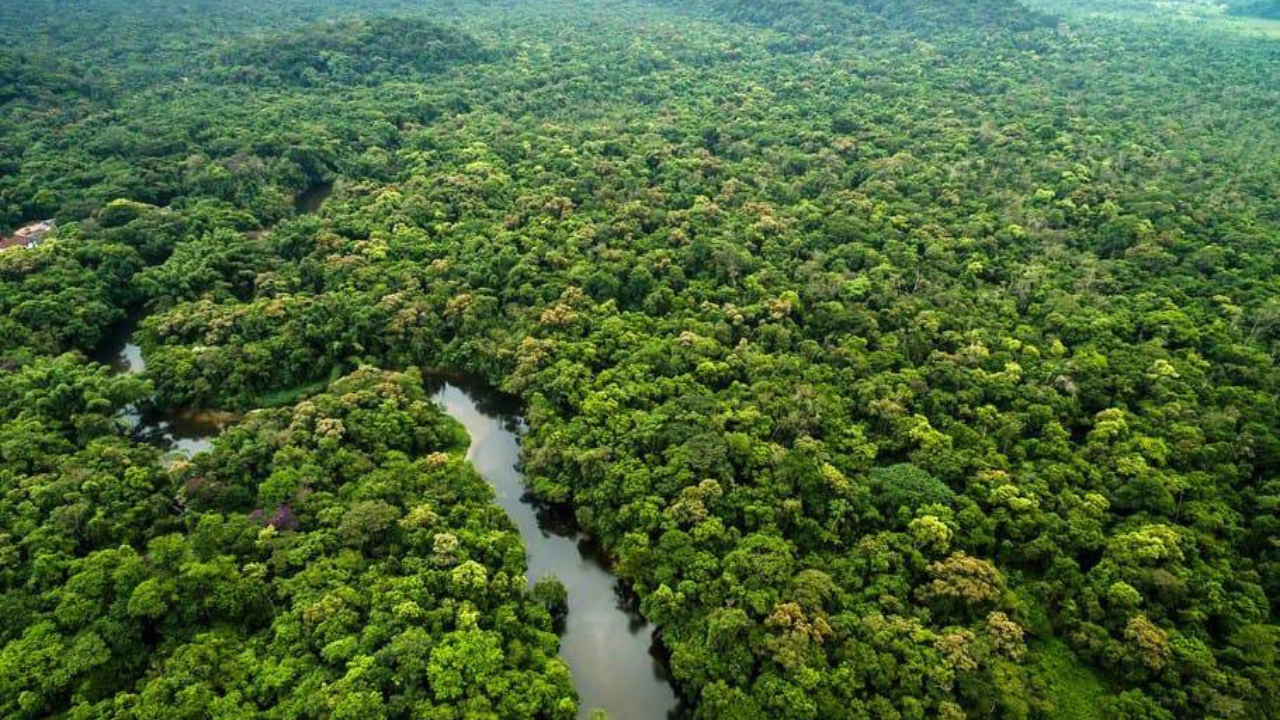
Scientists discovered the plastic-eating fungus deep in the Amazon rainforest
The discovery emerged from research involving Yale University students who travelled to Ecuador as part of the university’s Rainforest Expedition and Laboratory programme. Researchers collected samples of endophytic fungi, microorganisms that live within plant tissues without causing apparent harm to their hosts.Back in the laboratory, the researchers screened fungi collected during the expedition for their ability to break down synthetic materials. Among them, strains identified as Pestalotiopsis microspora demonstrated the ability to degrade polyester polyurethane, commonly known as PUR. The findings were published in the scientific journal Applied and Environmental Microbiology in 2011.The discovery showed the extraordinary biochemical diversity hidden within tropical ecosystems. Scientists have long studied microorganisms from biodiverse environments in the hope of identifying unusual compounds and biological processes with potential applications in medicine, agriculture, biotechnology and environmental protection.
The fungus can use polyurethane as a source of carbon
One of the most significant findings was that the fungus could use polyester polyurethane as its sole carbon source under laboratory conditions. Carbon is essential for the growth of living organisms, and the experiments indicated that the fungus could obtain it from the synthetic polymer.Researchers also identified enzyme activity involving a serine hydrolase as playing a role in the degradation process. Such enzymes can break certain chemical bonds, helping convert complex molecules into smaller compounds.The research focused specifically on polyester polyurethane, a polymer used in materials and products including foams, insulation, coatings and adhesives. The findings made the fungus particularly interesting to researchers looking for biological approaches to dealing with difficult plastic waste.
Why surviving without oxygen matters for landfill waste
Perhaps the most intriguing characteristic identified by researchers was the fungus’s ability to degrade polyurethane under anaerobic conditions. This means the process could occur even in the absence of oxygen.The finding has particular relevance to landfill research because deeper layers of buried and compacted waste can develop oxygen-poor conditions. Plastic materials that resist conventional decomposition can remain within these environments for long periods, creating an enormous waste-management challenge.The fungus therefore presented scientists with an unusual biological mechanism worth investigating. Its ability to attack polyurethane without oxygen suggested that microorganisms could possess biochemical tools capable of functioning in conditions where many conventional biological processes are limited.
Where has the research reached since the 2011 discovery?
In the years since the discovery, the wider field of microbial plastic degradation has expanded significantly. Scientists are studying fungi, bacteria and their enzymes to understand how they interact with synthetic polymers and whether these natural processes can eventually be adapted for waste treatment.Research has also moved towards understanding the molecular mechanisms behind fungal plastic degradation. Scientists have investigated other polyurethane-degrading fungi, including Cladosporium halotolerans, and examined the genes and enzymes that may enable these organisms to attack polyurethane.A major goal is to identify useful enzymes and potentially optimise or engineer them to work more efficiently. Rather than placing living fungi directly into landfills, future technologies could use enzymes derived from microorganisms in controlled recycling or waste-treatment facilities.The concept has also begun inspiring commercial experimentation. In 2025, a Texas-based company attracted attention for developing disposable nappies paired with fungi intended to help break down some plastic components after disposal. The approach is not based directly on Pestalotiopsis microspora, but it illustrates how the broader concept of using fungi to tackle plastic waste is beginning to move towards real-world testing.The original Amazon fungus itself has not yet become a commercial landfill treatment. Turning biological degradation observed in laboratories into an efficient system capable of processing large quantities of waste remains one of the biggest challenges facing researchers.
Could fungi help reshape the future of plastic waste management?
The growing research into plastic-degrading microorganisms points towards a future in which biology could complement existing recycling technologies. Instead of relying exclusively on mechanical and chemical processes, scientists could potentially harness specialised enzymes to target materials that are difficult to process through conventional methods.Such systems could operate in controlled environments where temperature, moisture and other conditions are optimised for degradation. If researchers can improve the speed and efficiency of these biological processes, they could provide another tool for managing specific streams of plastic waste.The possibilities extend beyond a single fungal species. The discovery of Pestalotiopsis microspora forms part of a much broader scientific search for organisms capable of interacting with human-made materials in unexpected ways.
The Amazon rainforest could hold more biological surprises
The story also highlights why biodiverse ecosystems such as the Amazon rainforest remain invaluable to scientific research. Tropical forests contain an enormous variety of fungi and other microorganisms, many of which have never been extensively studied.Over millions of years, these organisms have evolved biochemical mechanisms for obtaining nutrients and breaking down complex natural substances. Exploring this largely unknown microbial world could reveal enzymes and biological processes with applications scientists have yet to imagine.The discovery of Pestalotiopsis microspora offers a striking example. A microscopic fungus collected from rainforest vegetation was found to possess a biological ability with potential relevance to one of the modern world’s most persistent environmental problems.
A tiny fungus with potentially big implications
More than a decade after the original research was published, Pestalotiopsis microspora remains an important example in the growing study of microbial plastic degradation. What began with fungi collected during a rainforest expedition has contributed to a wider scientific conversation about whether microorganisms and their enzymes could eventually play a role in managing synthetic waste.The path from laboratory discovery to large-scale application remains complex, but research continues to uncover organisms with remarkable abilities to interact with materials created by humans. As scientists explore these biological mechanisms and search for ways to harness them, the Amazon fungus stands as a reminder that unexpected solutions to modern environmental challenges may sometimes be found in the smallest and least explored forms of life. Go to Source